
Post-WWII was a time of nuclear tension. Better known as the Cold War, the United States and the Soviet Union had a strained relationship, which resulted in the nuclear arms race.The United States government did not overlook the Upper Peninsula during this period. In fact, the U.P. played an essential role in U.S. defense. The U.S. government placed many military sites throughout the region. While systematically positioned military sites were of significance, individuals from the Upper Peninsula were also key to the Cold War narrative. The remote Upper Peninsula was fully engaged in the atomic age and its inhabitants still endure the many long-lasting impacts the Cold War had on the area.

Glenn Seaborg
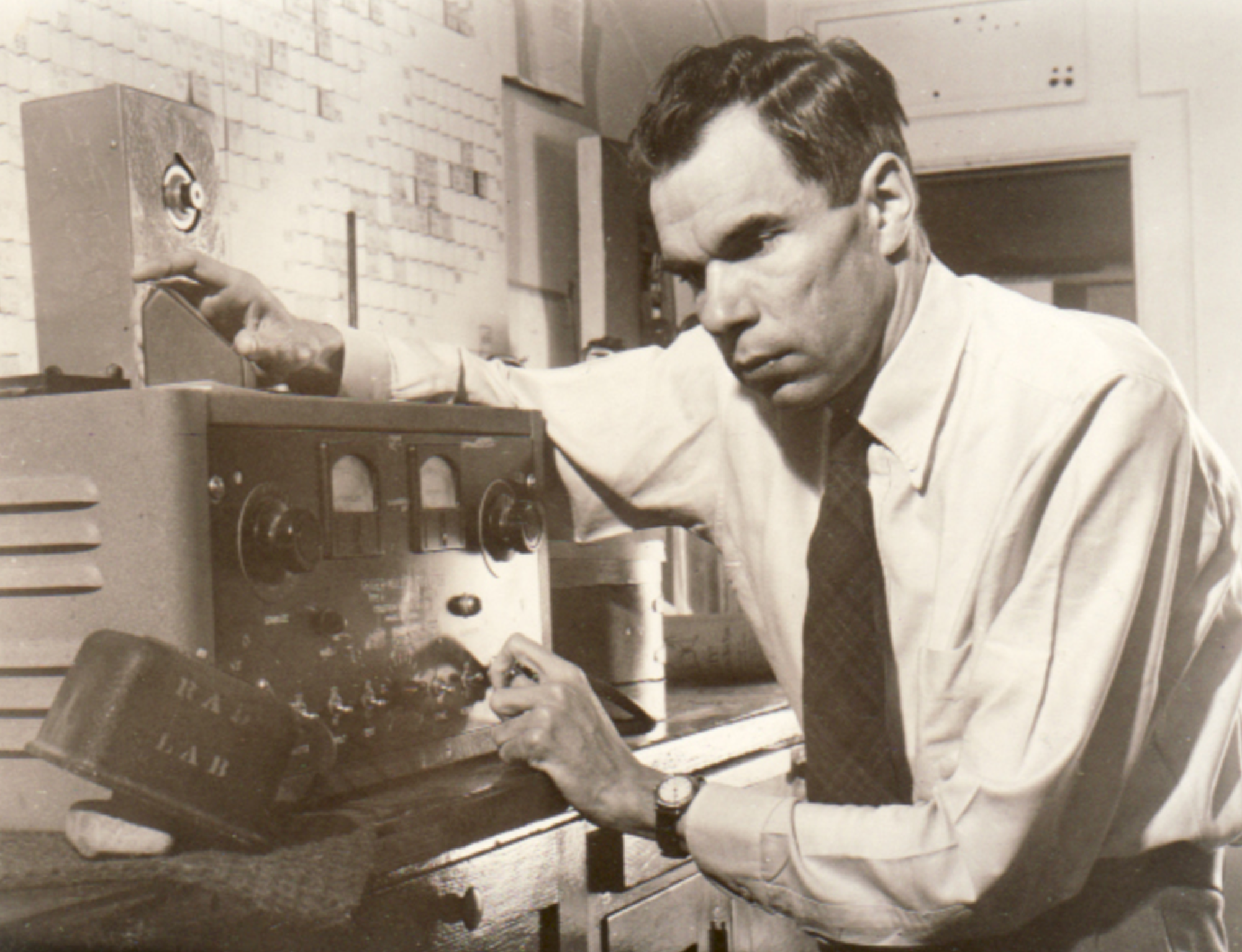
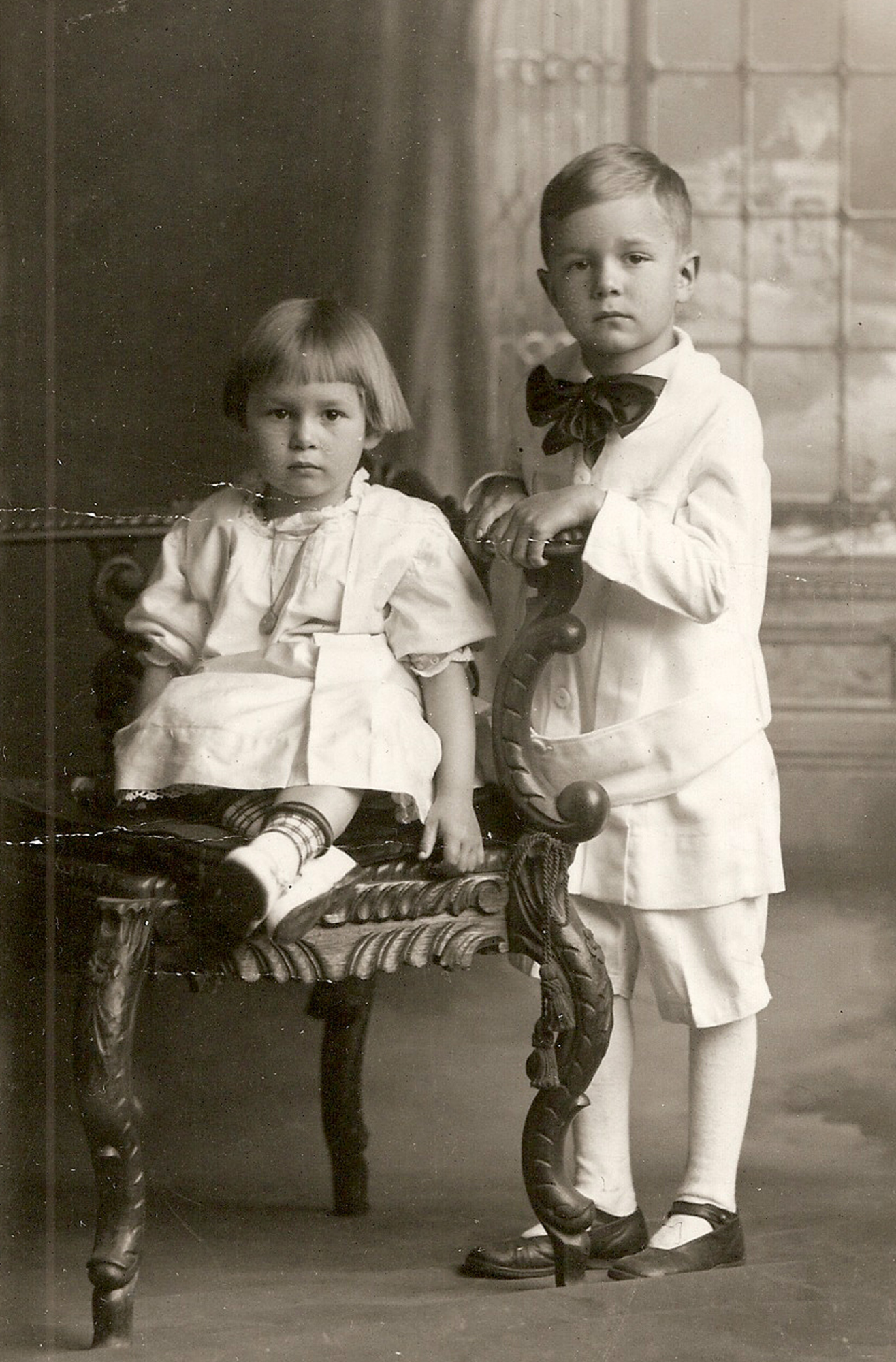
One of the most important scientists of the 20th century was Glenn T. Seaborg, who was born in Ishpeming, Michigan on April 19, 1912. Seaborg spent his first 10 years in Ishpeming, living with his family at 802 Wabash Street. His father then decided to move his family to California, where Glenn finished his education. He had an impressive intellect as a young man and graduated at the top of his class from David Starr Jordan High School in Watts. He was accepted into the University of California, Berkeley, eventually receiving his Ph.D. in Chemistry in 1937.
He continued his research at Berkeley and was appointed to the faculty. In 1941, Seaborg and his collaborators at Berkeley were the first to produce element 94, Plutonium. As WWII progressed, Seaborg accepted a post at Wartime Metallurgical Laboratory at the University of Chicago. Under the direction of Enrico Fermi, he led the effort to produce plutonium for the Manhattan Project (the top secret project to create the first atomic bomb).
Even during this period of intense research, Seaborg found time to revolutionize elementary science with his concept of the Actinide Series. In 1944, he proposed that elements 90 through 103 (transuranium elements) which were heavier than uranium, fit into the periodic table. He proposed that these elements, which rarely exist in nature, could be created in a laboratory, even for a brief second. For his work and research, Seaborg was awarded the Nobel Prize for Chemistry in 1951.
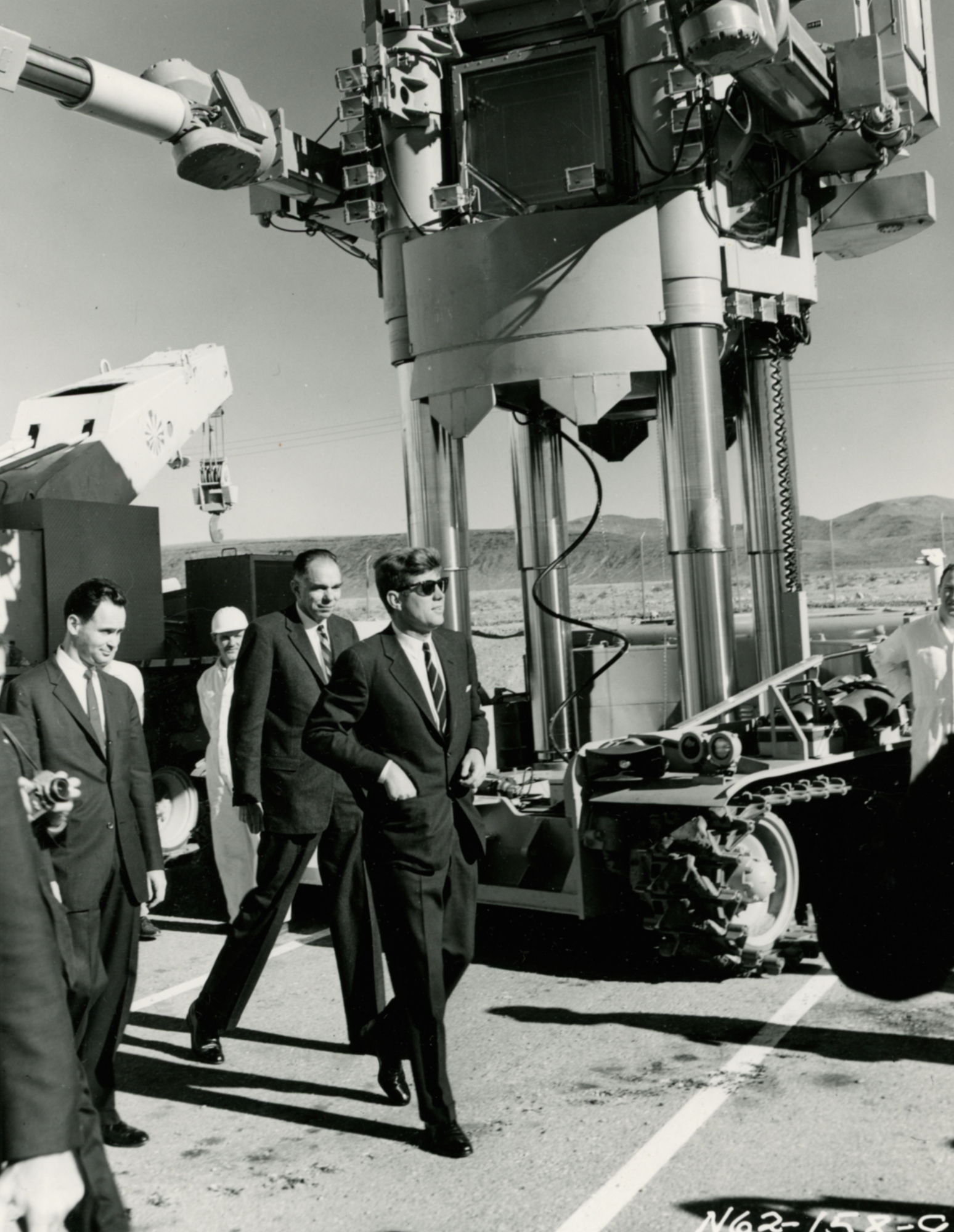
In 1961, he was named the Chairman of the U.S. Atomic Energy Commission. For the next ten years Seaborg was the main advisor on nuclear science developments in the U.S. to Presidents Kennedy, Johnson and Nixon. He represented the United States throughout the world at scientific treaty negotiations and conferences and travelled to both the Soviet Union and China during his tenure.
Seaborg continued to serve his country and the scientific world in several capacities, and served on the National Commission on Excellence in Education. In 1998, ground was broken on the Seaborg Center at Northern Michigan University, in honor of his accomplishments and continued connection with his home in Michigan. He said was it was one of his greatest honors, which says a lot since he is the only human being to have an element named for him while he was still alive: Element 106, Seaborgium.

Kelly Johnson
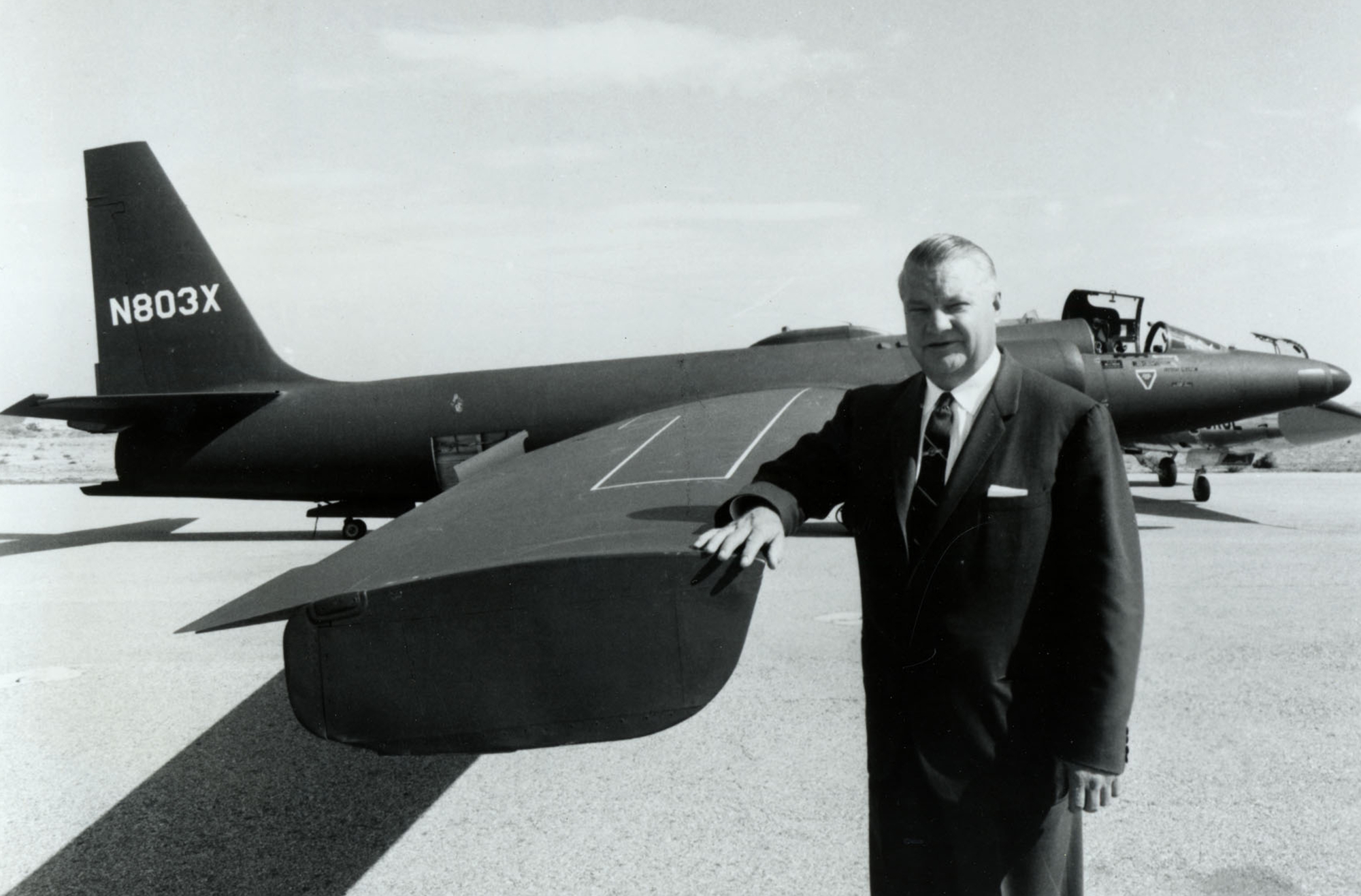
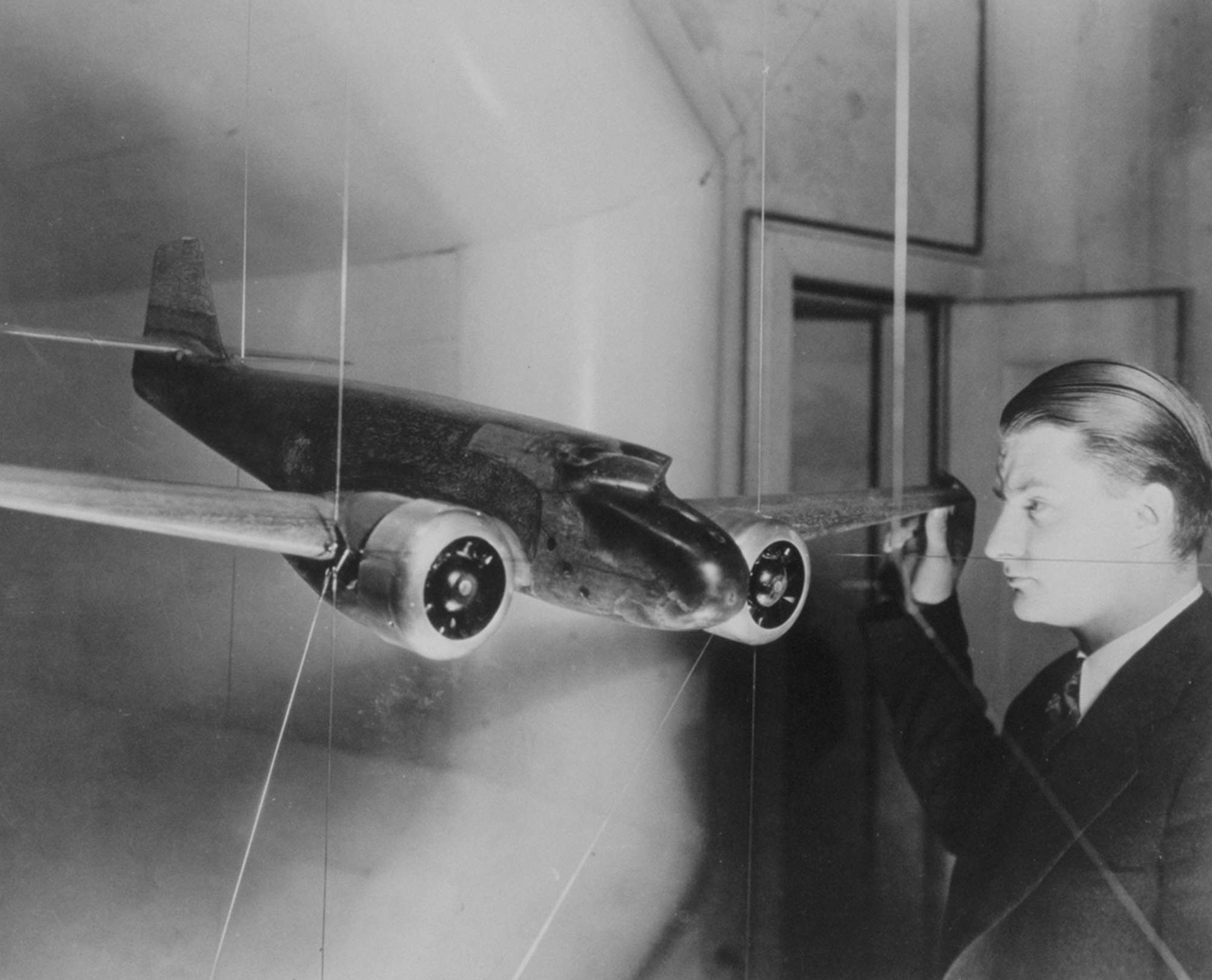
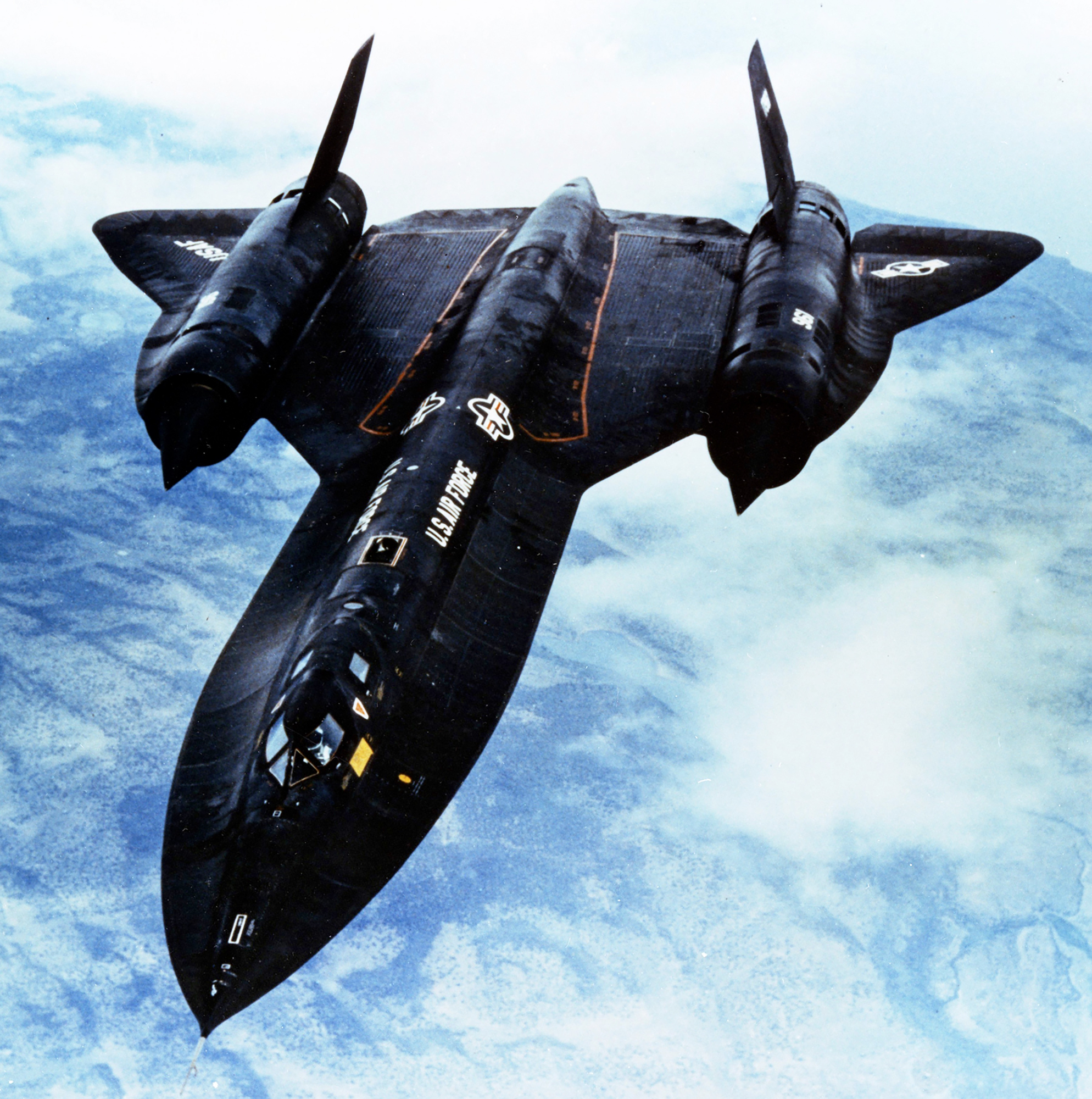
He soon managed one of the most innovative and secret projects in the United States at that time, known as the Skunks Work Project. With "Kelly" as first-team leader, the high security program produced imperative aircraft designs used by the military and C.I.A. Some of the designs involved the first to exceed Mach 2 and Mach 3 as well as the first U.S. operational jet fighter. Ultimately, "Kelly" Johnson played a vital role in strengthening the U.S. military's defense against Cold War enemies for over 40 years. His contributions have laid the groundwork for contemporary defense designs in aeronautical engineering for the United States government.
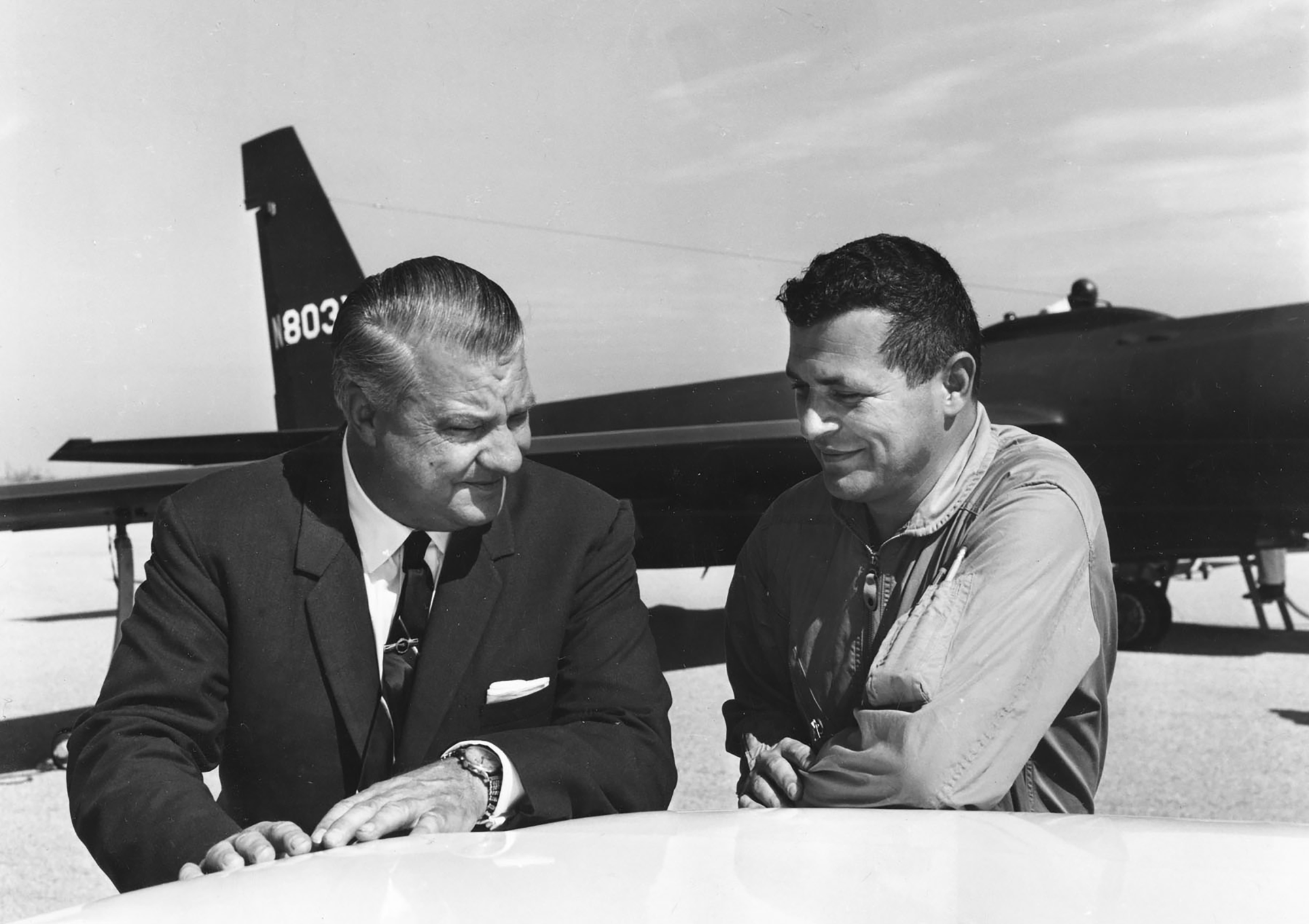
Clarence Leonard "Kelly" Johnson was a leading American aeronautical and systems engineer. Born in Ishpeming, Michigan, Kelly was one of nine children. Like many of Kenny's generation in the Upper Peninsula, his parents were Swedish immigrants. His father worked construction while his mother was a laundress. The family of eleven lived poor. Born as Clarence Leonard Johnson, he gained the nickname "Kelly" while attending grade school in Ishpeming. A local bully had begun the usual tormenting of Johnson by calling him "Clara." Johnson resorted to tripping the bully, ultimately breaking his leg. His classmates stopped calling him "Clara" and gave him the Irish nickname "Kelly," based on the song "Kelly with the Green Neck Tie." He has been referred to as "Kelly" ever since.
During the Cold War, "Kelly" contributed to the designs of military aircrafts used by the United States government. His most notable aircraft designs included the Lockheed U-2 Plane and the Lockheed SR-71 Blackbird. The University of Michigan alumnus began working for Lockheed, an aerospace company, in 1933. Johnson's well-known motto "Keep It Simple, Stupid” and his diligent work ethic warranted a long career in aeronautical engineering.
Kaarlo Tuomi: The Spy Who Got Lost In The Cold
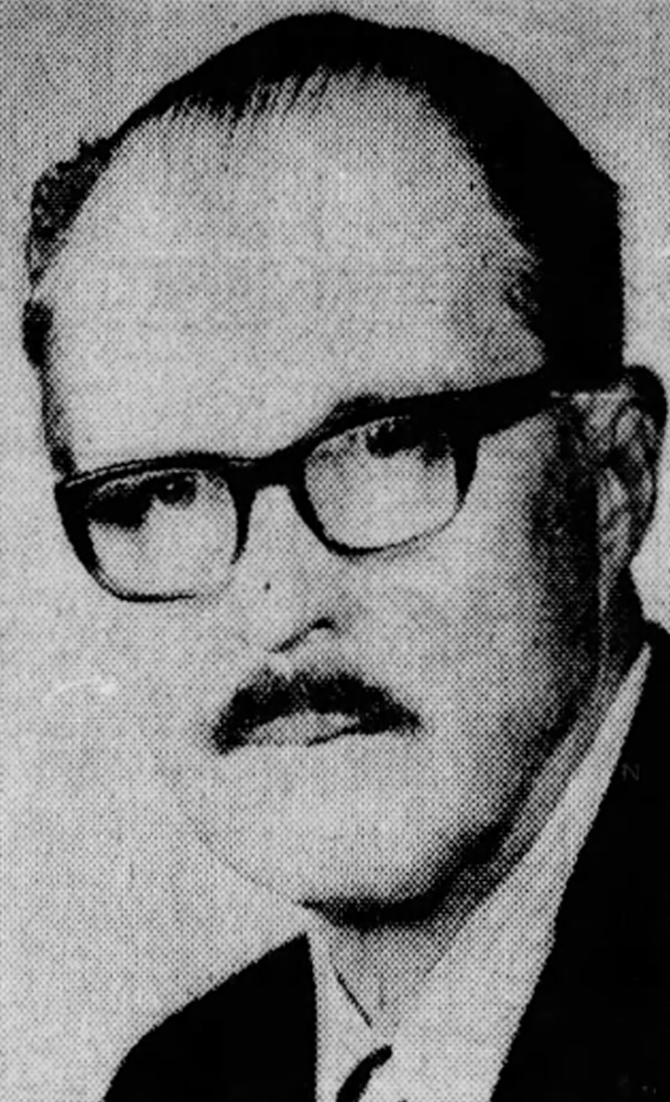
Kaarlo suffered days of interrogation. He assumed that his experience in the U.P. exposed him, but the FBI caught the Russian spy because he requested his birth certificate in the mid-1950s. Kaarlo’s first letter to the U.S. Department of State in 1954 raised suspicions, which the later letter to his uncle solidified. The age of McCarthyism uncovered Kaarlo Tuomi before his mission was even revealed to him in its entirety. The FBI gave him two options. The first would make him accountable the Soviet Union or to the citizens of the United States. The second possibility was to become a double agent for the U.S. and return to the Soviet Union in 1962. He chose counterespionage and operated in the custody of the FBI. He informed the KGB of his exposure and they chose to continue giving orders as if they had not known, in an attempt to throw off the FBI. Kaarlo grew bitter towards the KGB because he felt their incompetence led to his exposure. Ultimately, Kaarlo chose to remain in the U.S. rather than return to the Soviet Union. After his counterespionage days were over, he travelled the U.S. to tell his tale of a double agent. Kaarlo would not see his children again until the fall of the Soviet Union. Kaarlo Tuomi gained U.S. citizenship and resided in the United States until his death in 1995.
Kaarlo Rudolph Tuomi was born November 30, 1916 in Ishpeming, Michigan to Finnish immigrants. After his father died of the Spanish flu when he was an infant, Mrs. Tuomi sold the farm and moved the family to Negaunee where she married Robert Saastamoinen. Robert moved the family to Rock, Michigan, when Kaarlo was six years old. Kaarlo’s stepfather was unemployed due to poor health and stayed home while his wife worked at the local cooperative. He devoted his time to the Communist cause by contributing to the communist newspaper Työmies and establishing a small communist cell, for which has was the secretary. When the Great Depression struck the nation, Robert set his eye on Soviet Karelia. Known as Karelian Fever, Finnish immigrants moved to the USSR occupied Soviet Karelia for better opportunities as the area promised work and a communist lifestyle. The family moved to Soviet Karelia in 1933. Now a young adult, Kaarlo found employment in the logging industry and gained citizenship to the Soviet Union and membership of the Soviet Union’s communist youth union in 1934. After serving in WWII for the Red Army, Kaarlo had plans to become an English instructor.
However, when his boss stole horses, Kaarlo became guilty through association. His alleged robbery resulted in the recruitment by the KGB which made the issue disappear. This gave rise to a lengthy career in espionage for Tuomi. Kaarlo’s first job under the KGB was to become a teacher, so he could monitor his coworkers. The KGB conscripted him for a new task that required obtaining his birth certificate. In 1954, Kaarlo requested his birth certificate from the U.S. Department of State. The Department of State never answered Kaarlo’s request, so he wrote his uncle Antti Maarla, who resided in the United States. This also went unanswered, so his task was put on hold. His next mission was to go to the United States for a three-year assignment under a false name and act as an overseas operative. To prepare, Kaarlo went through spy school in Moscow under the name Roman Romanovich.
Kaarlo traveled to Port Huron, Michigan, in December of 1958. He spent January in New York City to establish a cover story but on January 26, 1959, the KGB spy left the Big Apple for his birth home. Kaarlo continued establishing his cover story in Milwaukee then made his way to the U.P. where he visited Ishpeming and places from his childhood. This included the Temple of Work in Negaunee which was an establishment used for social events planned by the local immigrants, including his mother and father. The KGB spy also visited the local Lutheran church, in hopes of gaining a copy of his baptism certificate. Kaarlo then planned to visit his U.P. hometown, Rock. However, he received a phone call at his hotel from an unfamiliar woman who asked about his biological mother and father. Concerned for his mission, Kaarlo convinced the woman that she was wrong. Spooked by this interaction, Kaarlo immediately rushed to Chicago to cover his tracks and never visited Rock. He reported his U.P. experience to the KGB and planned to return to Milwaukee. The FBI arrested the KGB spy when he left for Milwaukee on March 9, 1959.

These images are courtesy of the National Archives.


Images from Civil Defense pamphlets courtesy of Ron Michaelson, Marquette.
Ground Observer Corps
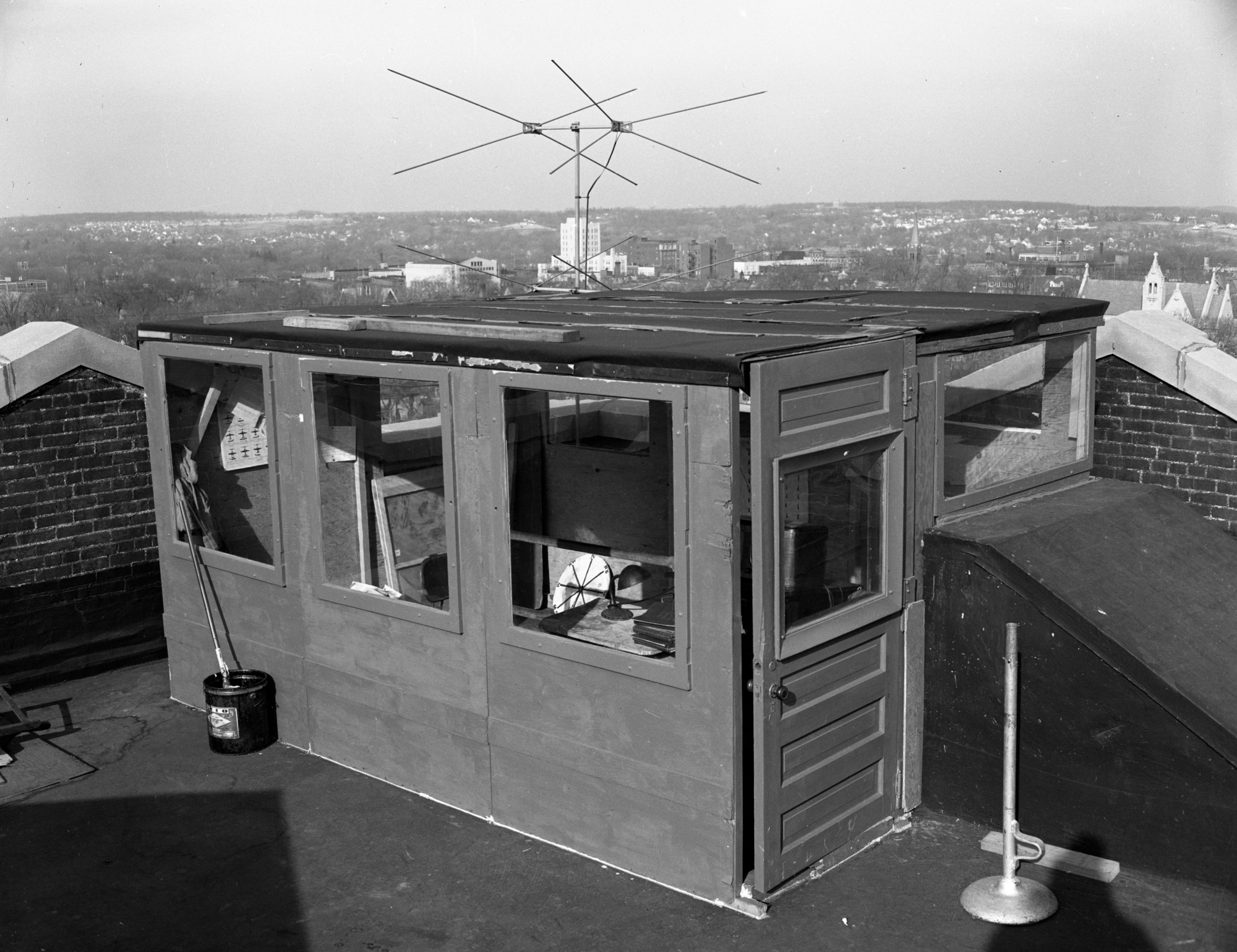
Radar was still in its infancy in the early 1950s and while it was useful in spotting planes entering our airspace, it did have its limitations. “Because of the fact that radar beams travel in a straight line, cannot pick up objects hidden by hills, mountains or the curvature of the earth, there are several blanks spots which radar cannot cover,” stated a Mining Journal article on September 6, 1951. With the Korean War and the Soviet Union's advancing nuclear capabilities, there was concern by the government and military that the US was vulnerable to attack. “With world conditions as they are today,” said Lieutenant Louis Bushmaker, “the next plane spotted could very well be an enemy bomber. We can afford to take no chances on allowing it to get through to its target undetected.” Bushmaker, who was in charge of the Green Bay filter center, was in Marquette County to help set up the Ground Observer Corps. He spoke at a meeting on September 5, 1951 held at the National Guard Armory in Ishpeming. Similar in scope to the plane spotters of World War II, the Ground Observer Corps provided a low tech solution to the need for additional coverage. A network of observation posts was set up across the US, with many posts in the Upper Peninsula. “The Upper Peninsula lies directly in the path which would be used by Russian bombers striking at Detroit or Chicago,” stated the article. In the early 50s, the Upper Peninsula had no strategic assets of its own, with the exception of the Soo Locks. In Marquette County alone, there were observation posts in Big Bay, Champion, Eagle Mills, Ishpeming, Little Lake, Marquette, Michigamme, Princeton, Republic, Sands, Watson and Witbeck. Several posts were without supervisors including Blueberry Mine, Carlshend, Huron Mountain and Palmer. In August of 1954, the 691st Air Force band presented a concert at Presque Isle Park. During the program, Colonel W. E. High presented GOC 'wings' to volunteers who had spent 10 or more hours at the watch tower atop the Graveraet school. Those honored were: Dolores Zweifel, Patricia Burke, Mrs. John Seppanen, Marie Fontaine, Truman Hagbloom, James Peterson, Richard Seppanen, Maureen Molloy and Elva Robarge. By the late 1950's, advances in radar technology rendered the Ground Observer Corps obsolete and by 1959, all posts had been disbanded.
Cold War in the News
During the Cold War, Marquette’s Mining Journal fell in line with the general thoughts and opinions of the time. The paper’s editorials focused on major news events and reported them without much spin. However, there are times when the newspaper took more of a stance on issues related to the international climate. The February 20th issue from 1951 features an editorial called “What is the Story?,” about the money owed to the United States from other countries, such as, Britain and Russia. The article mentions that the U.S. is allowing Britain to pay back $615,000,000 at 2.5 cents interest “on the dollar.” But Russia has to pay their sum back at 7.2 cents “on the dollar.” The editorial speculates that perhaps the unfair treatment towards Russia comes from the fact that they “have made themselves so disruptive an influence in international affairs.” It then follows that with a strong stance, saying, “We do not agree. We believe that all international disputes which can honorably be settled should be settled. We should hate to think that the United States was willfully obstructing a lend-lease agreement with Russia.” That is just one example of The Mining Journal taking a stance on Cold War issues.
The editorial page also featured letters from the public. Occasionally, these letters dealt with Cold War topics. A “letter to the editor” dated Oct. 27th, 1947 (featured in the October 28th issue) references the House Un-American Activities Committee (HUAC). The writer questions why time is being spent looking for communist propaganda in films if the American public has been consuming Hollywood films for so many years prior to investigations starting. The writer also voices concern about the other, non-political messages being promoted in film such as achievement being represented by “how well a woman can lure another woman’s husband away.” The final paragraph of the letter sums up the writer’s point, “But if we think we should continue this Communist investigation we are also admitting that the movies have been mentally and morally crippling our children and adults for many years. The U.S would make progressive strides if they would also investigate this far more serious influence and prohibited more damage to the qualities that make for good Democratic citizens.”
Kincheloe AFB
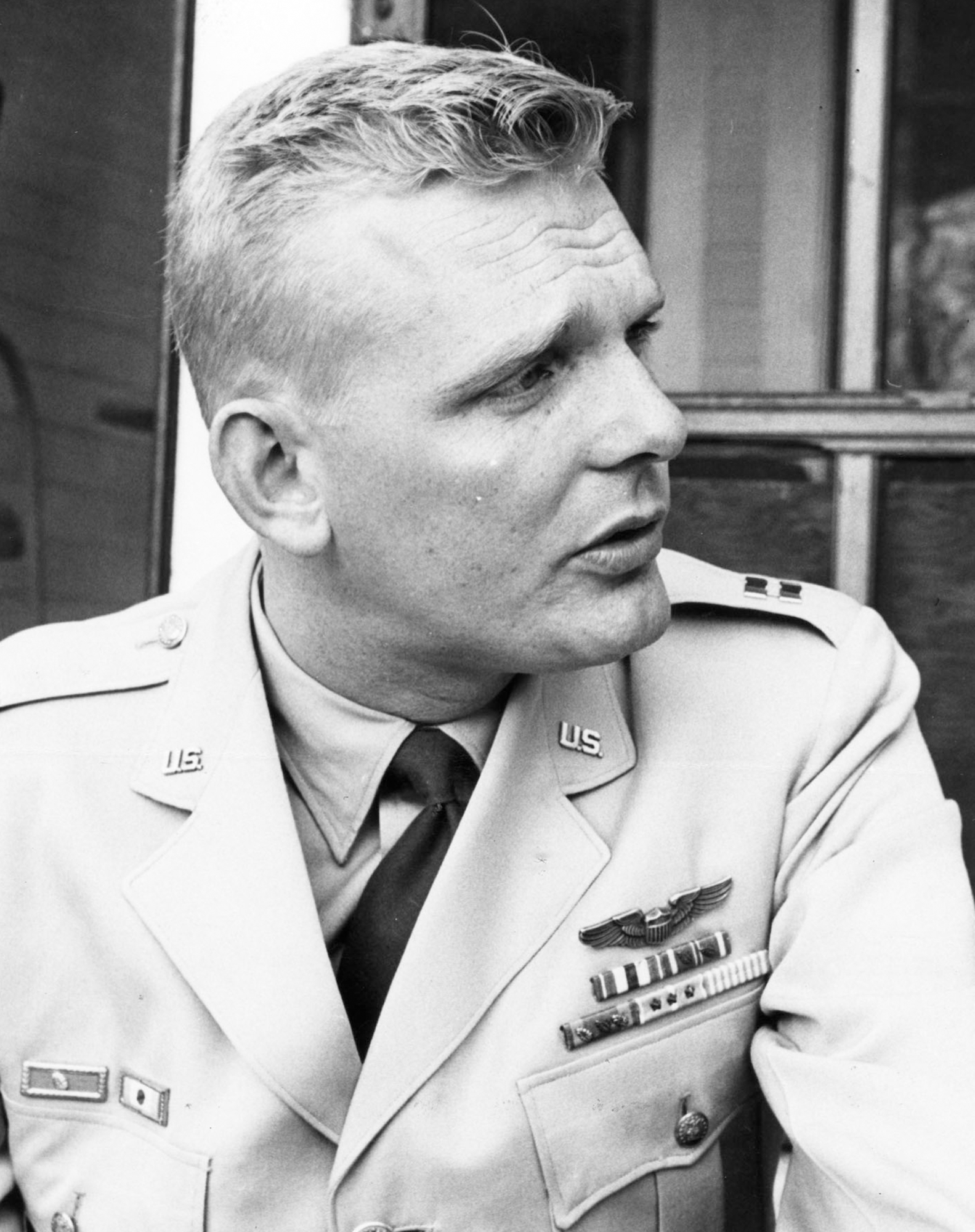
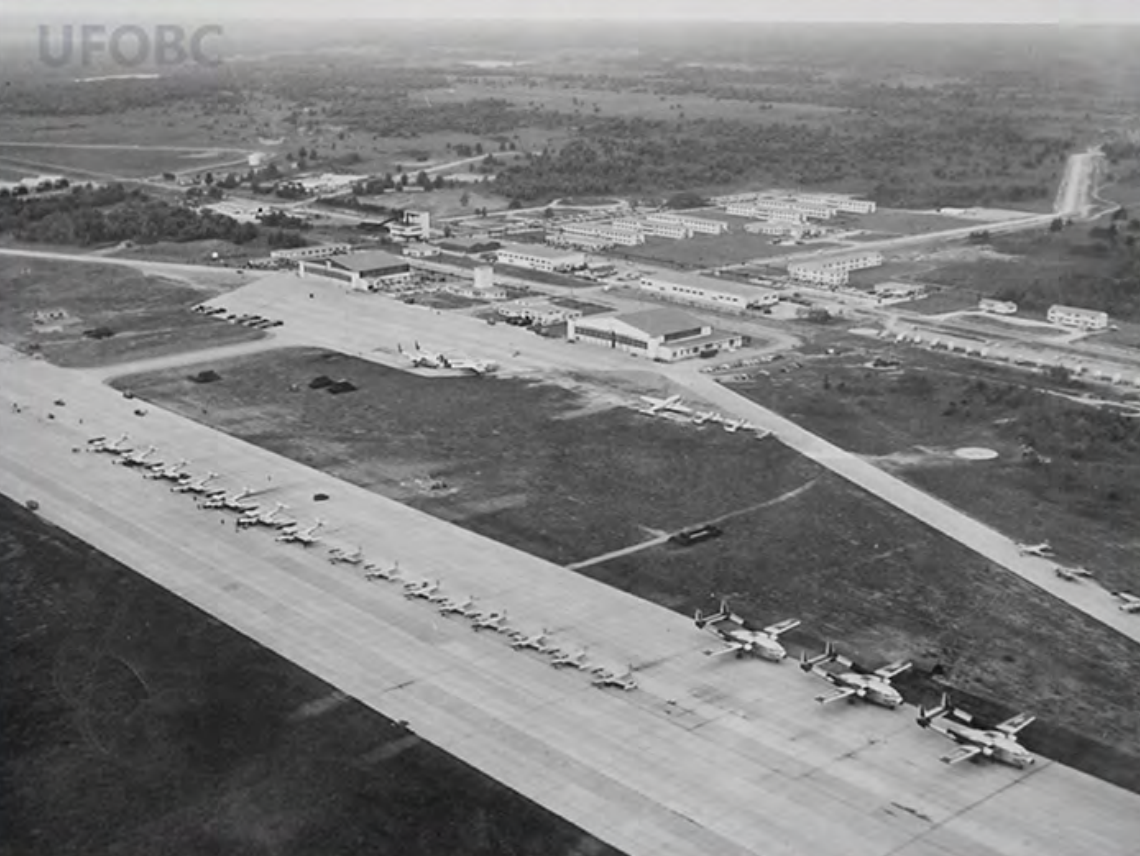
Previously originally intended to protect the Soo Locks during World War II, Kincheloe Air Force Base operated once again to provide air defense for Sault Ste. Marie, Michigan. Kinross Air Force Base reopened July 1, 1952 under the jurisdiction of the United States Air Force. The military renamed it Kincheloe Air Force base in 1959 after the deceased Captain Ivan Kincheloe. The military expanded the site by obtaining surrounding land for the addition of new facilities on the base. Kincheloe Air Force Base was vital to protecting the surrounding airways in the larger Great Lakes region during the Cold War.
Similar to K.I. Sawyer Air Force Base, Kincheloe was under the authority of the Air Defense Command (ADC). Its sole purpose was to intercept enemy fighters and functioned on 24-hour alert-status. Many B-52 bombers landed at Kincheloe in its time. Mechanics were responsible for fixing the bombers and were liable to return bombers to the runway in record time. Kincheloe’s B-52s were of special importance after the assassination of President John F. Kennedy. The base went into immediate lockdown mode and military personnel were put on high alert. B-52s were lined up on the runway and their engines were kept running in order to ensure abrupt take off. Each bomber was equipped with at least ten nuclear warheads. Although the military never called on the B-52s for combat, Kincheloe’s bombers were imperative to the nuclear defense during this time.
Kincheloe Air Force Base was deactivated in September of 1977. The government debated its closure for years due to military expenses with the Vietnam War. Though the government decided to close the air force base, it considered the economic impacts that could impair the area. The Office of Economic Adjustment and other federal agencies held meetings that discussed the transition and the future of the area following the base’s closure. While there was state and federal incentive to help the Eastern Upper Peninsula transition with the closure of the air force base, the economic impact devastated the area. Today, Kincheloe is now home of the Chippewa County International Airport. Some of the former base is used for a medium-security prison. There is still a small community that has developed in the former base housing.
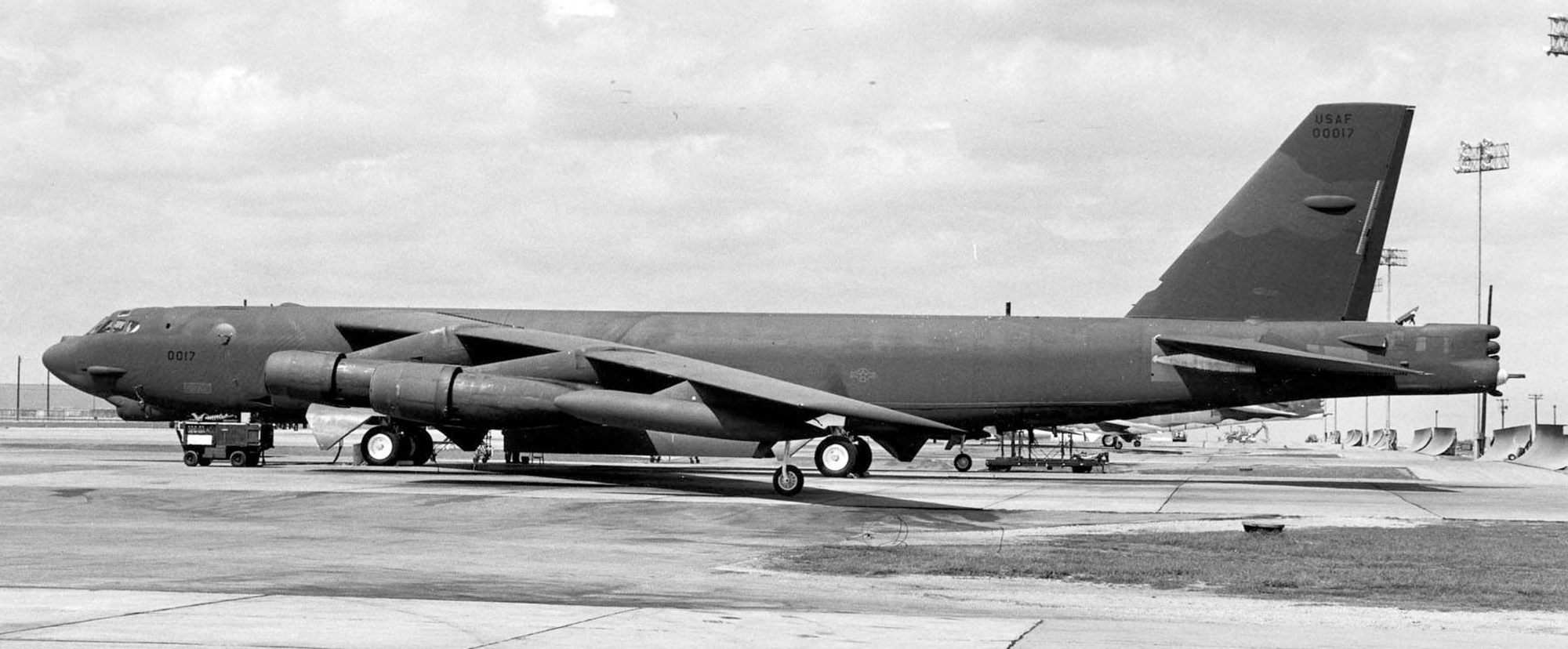


This image is courtesy of Jenny Schuder Kilen, who lived at Kincheloe from 1956-59 with her family. Her father was piloting the front F-102 Delta Dagger in the photo.

F-102 Delta Dagger Pilots of 438th FIS, Kincheloe AFB, 1959. Image courtesy of Julio Arrospide.

Capt. Philip Fry, F-106 at Kincheloe AFB. Image courtesy of Mindy Fry-Metcalf.

Dan Edwards operating a 4000 pound capacity Baker forklift at Kincheloe AFB, winter of 1973. Image courtesy of Dan Edwards.

Kincheloe AFB, ca. 1972. Image courtesy of Sherry Thomas-Salyers.
Civil Defense
The United States government encouraged civil defense in preparation of nuclear attacks. Americans across the country built fallout shelters and carried out safety drills. While large urban centers, such as New York City and Washington D.C., were central targets of any nuclear attack, the remote Upper Peninsula similarly organized civil defense practices. The Upper Peninsula was home to both K.I. Sawyer and Kincheloe Air Force Base, along with many other military sites. As expected, these places were equipped for any possible imminent threat. However, the United States also expected its civilians to prepare for any attack.
Local residents requested civil defense resources from the Civil Defense Administration. These resources included instructions on how to build a proper fallout shelter and what materials civilians should store there. The Civil Defense Administration also developed booklets that educated civilians on safety procedures. Schools across the Upper Peninsula practiced “duck and cover” drills, where students and teachers would hide and protect themselves. Local newspapers also listed public fallout shelters and printed cartoons advocating civil defense practices.
The Cuban Missile Crisis tested the United States’ general civil protection strategies. Not only did schools in the Upper Peninsula perfect practice alerts, but also local teachers discussed potential hysteria among students and deliberated ways of keeping pupils calm and collected. The Marquette Dioceses offered comfort to its members by having special prayers during the crisis. The Cloverland Electric Cooperative intended to act as a field hospital for the Eastern Upper Peninsula, if the Soo Locks and surrounding area was bombed. President Harden discussed the matter with worried Northern Michigan College (NMU) students and revealed that the college was staying on top of the national prospect. If Lower Michigan industrial centers were attacked, Upper Peninsula civil defense workers were also primed to welcome downstate refugees.
K.I. Sawyer AFB
While the base functioned on a 24-hour alert structure for nuclear defense, it also acted as a home to thousands of military personnel and their families. The base was equipped with a movie theater, bowling alley, roller rink, restaurants and other establishments. The community hosted many events and the people there were involved in different social clubs. Often called “K.I. Siberia,” the community grew to love this unique place and military personnel sought out the base.
The military officially closed K.I. Sawyer Air Force Base on September 30, 1995. Considered the fourth largest city in the Upper Peninsula, the closure of the base was a blow to the area. The air force had employed military personnel, their family members, and outside civilians in the Upper Peninsula. The base’s termination resulted in an economic problem for the region due to the thousands of jobs that disappeared, which has lasting impacts on the area today. Ultimately, K.I. Sawyer Air Force Base was an important asset to the region’s economy and acted as important element to the thousands of people that grew to know the air force base in the Upper Peninsula.
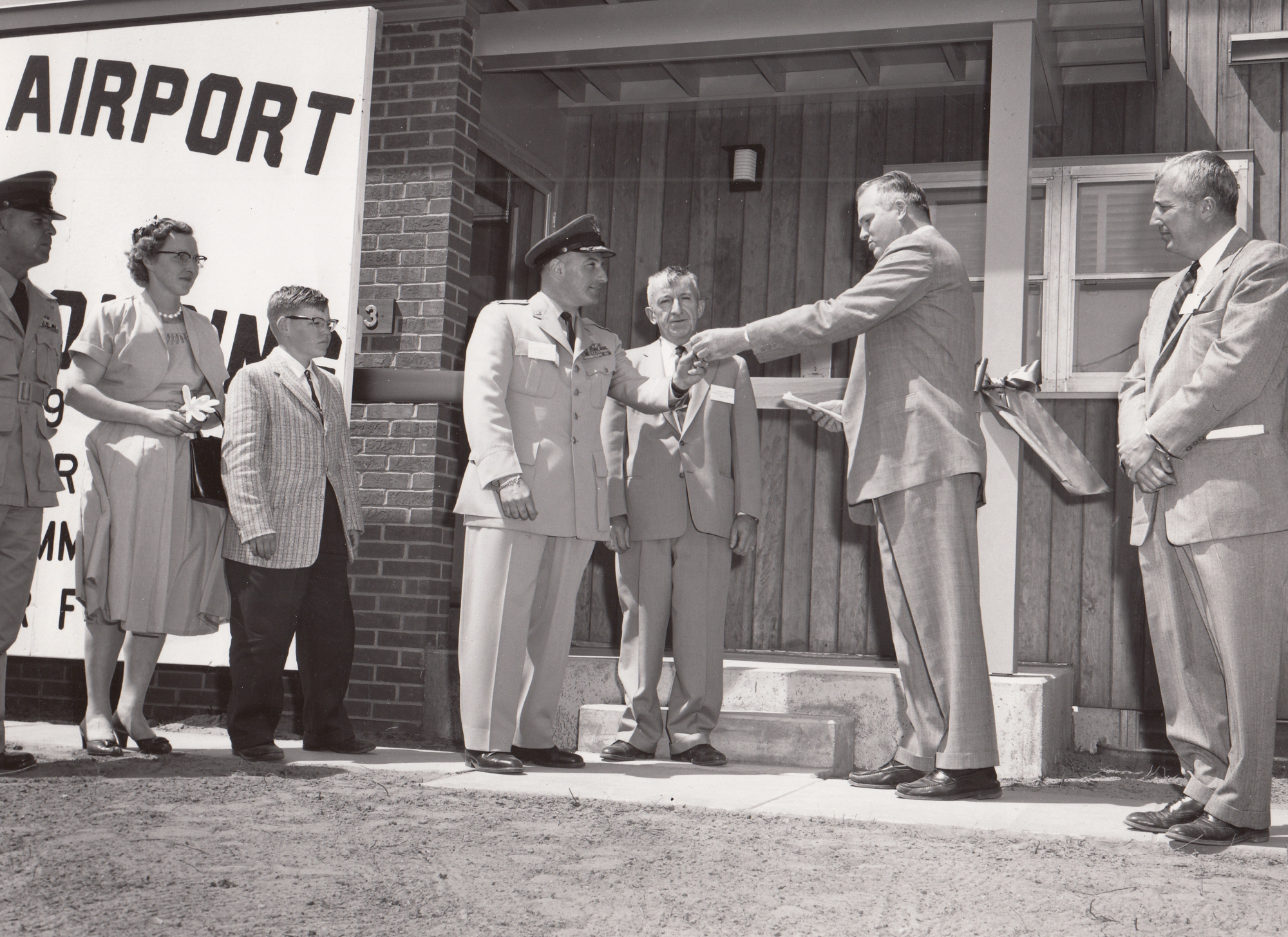
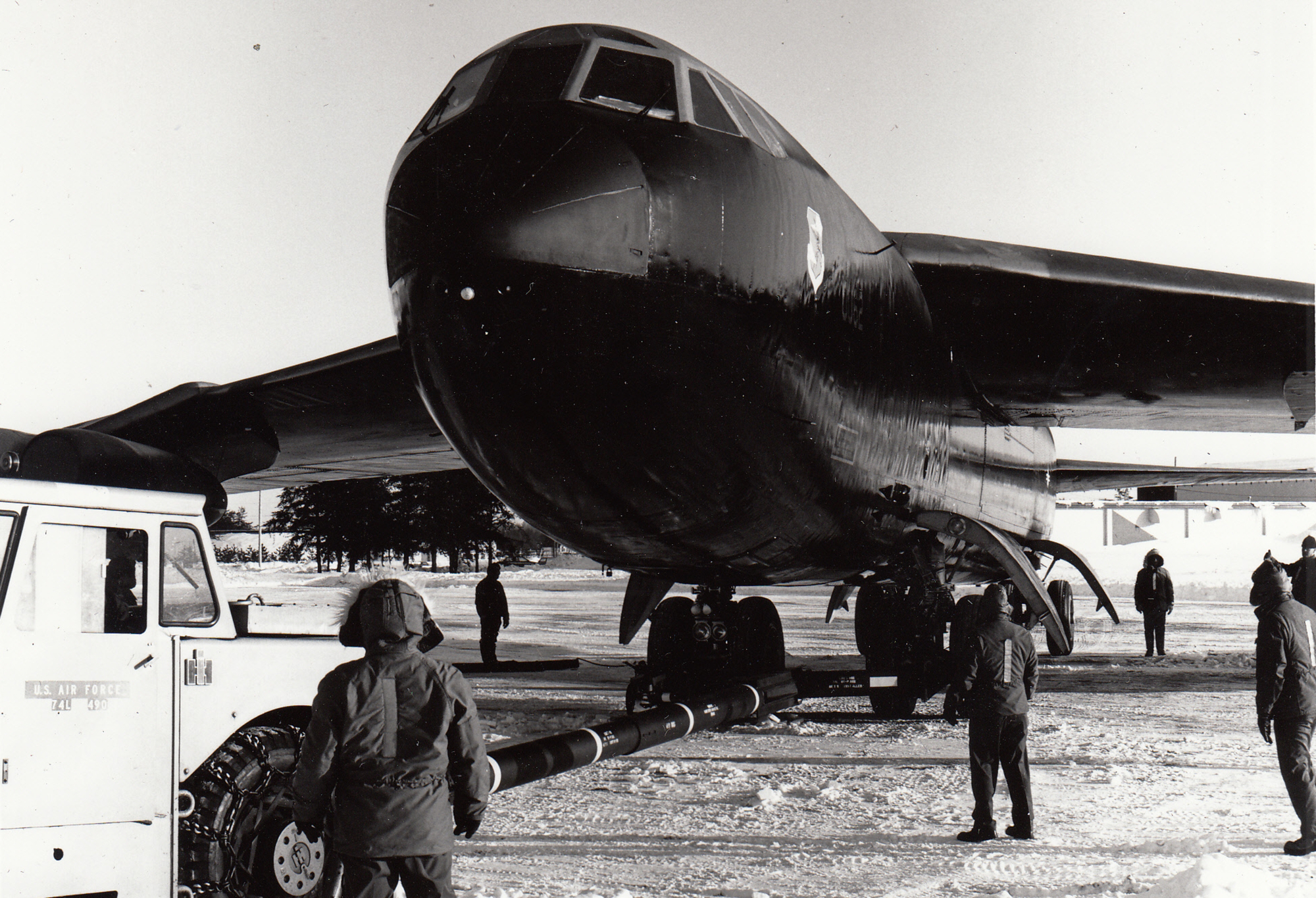
The United States government signed a 99-year lease with the Marquette City Commission on January 24, 1955 to use the K.I. Sawyer Airport in order to build an air force base with the airport used for both civilian and military use. The Air Force constructed a civilian runway near Negaunee and officially turned K.I. Sawyer Airport into K.I. Sawyer Air Force Base on May 8, 1959. Once it became an Air Force Base, the Air Defense Command controlled the site. The task of the base was to intercept and fight enemy attackers. Based on its strategic location on the outskirts of the Great Lakes region, K.I. Sawyer Air Force Base was crucial to the United States’ nuclear defense. It was home to the 410th Bomb Wing. The base was vital to the country’s air defense under the Air Defense Command (ADC) but the military activated the Strategic Air Command (SAC) at the base in March of 1946. Once it was operating under SAC, the Base was home to many bomber planes, especially B-52s. The strategy of SAC was to scatter U.S. bombers at various air force bases in order to prevent the Soviet Union from potentially destroying them.
Project ELF/Sanguine/Seafarer
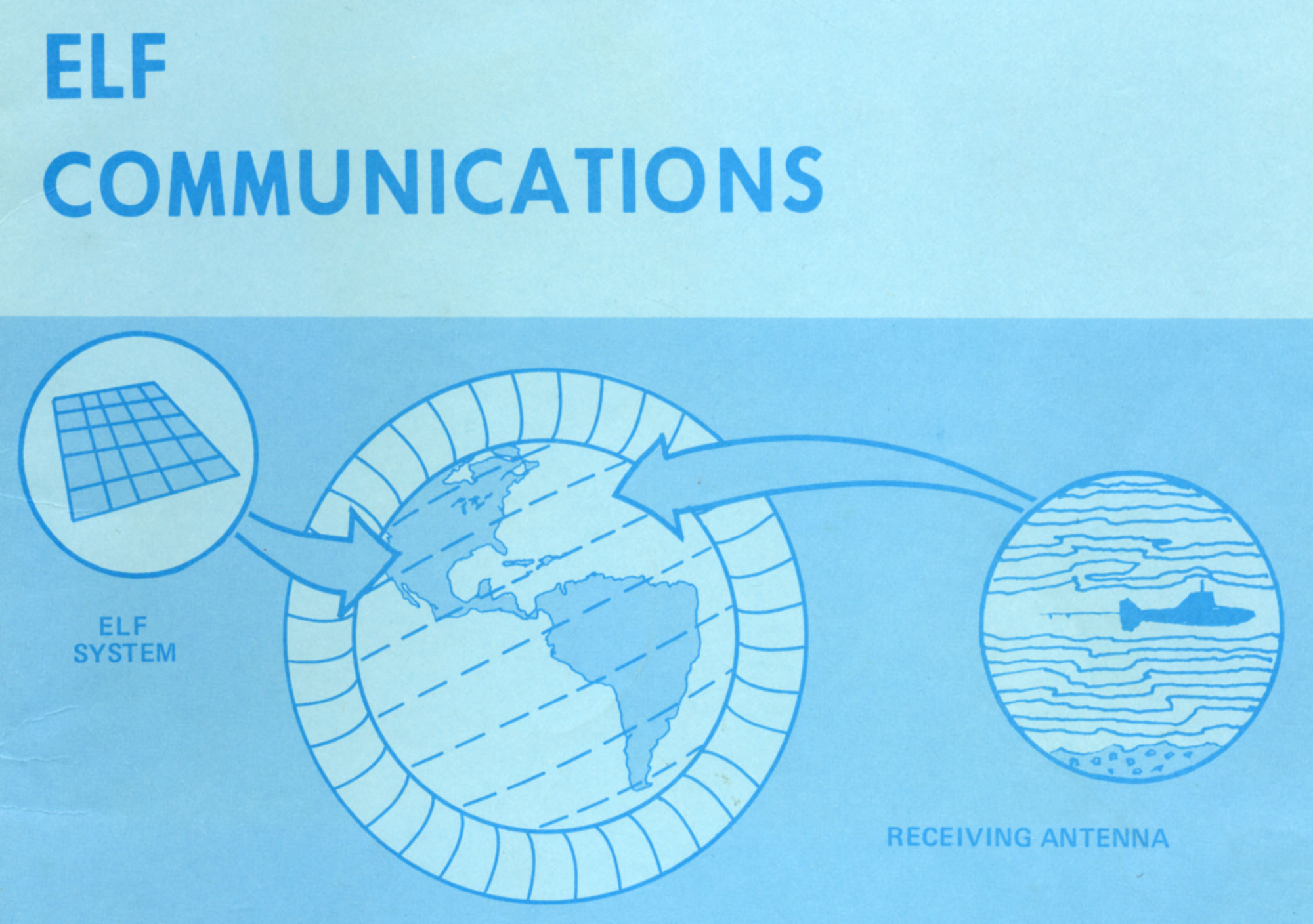
Submarine communications were of high importance for the United States military during the period of the Cold War. Originally, the United States Navy proposed a program, Project Sanguine, which would allow very short communication to oceanic submarines. Project Sanguine would have occupied too much land and would have been a costly development. For these reasons, the U.S. Navy recommended Project Seafarer, which was also rejected. Eventually, the Navy suggested Project ELF (extremely low frequency) and this program was accepted. As the name suggests, Project ELF uses extremely low frequency waves to send very short messages to submarines by piercing seawater through the magnetic field. Although there are benefits to ELF’s long range, the transfer time of 3-letter code messages take anywhere from 10 to 15 minutes and lack efficiency and speed. Nevertheless, Naval communication to submarines improved drastically due to the program.
Although this project was crucial in the arms race against the Soviet Union, there was general apprehension and negative feedback from people in the Upper Peninsula. These Anti-ELF citizens held conferences and even protested the project. The major concerns that U.P. citizens held were the danger of being a high-profile target and, more importantly, the environmental impacts SEAFARER would have on the region. On September 8, 1977, the Marquette County Board of Commissioners came to the consensus of rejecting Project SEAFARER, which reflected the public’s position on the issue. During this time, U.P. native and State Representative Dominic Jacobetti pursued legislation that would ultimately halt the system’s implementation in the Upper Peninsula. The Marquette County Board of Commissioners encouraged Representative Jacobetti by sending letters of support. However, the Navy still intended to follow through with Project SEAFARER.
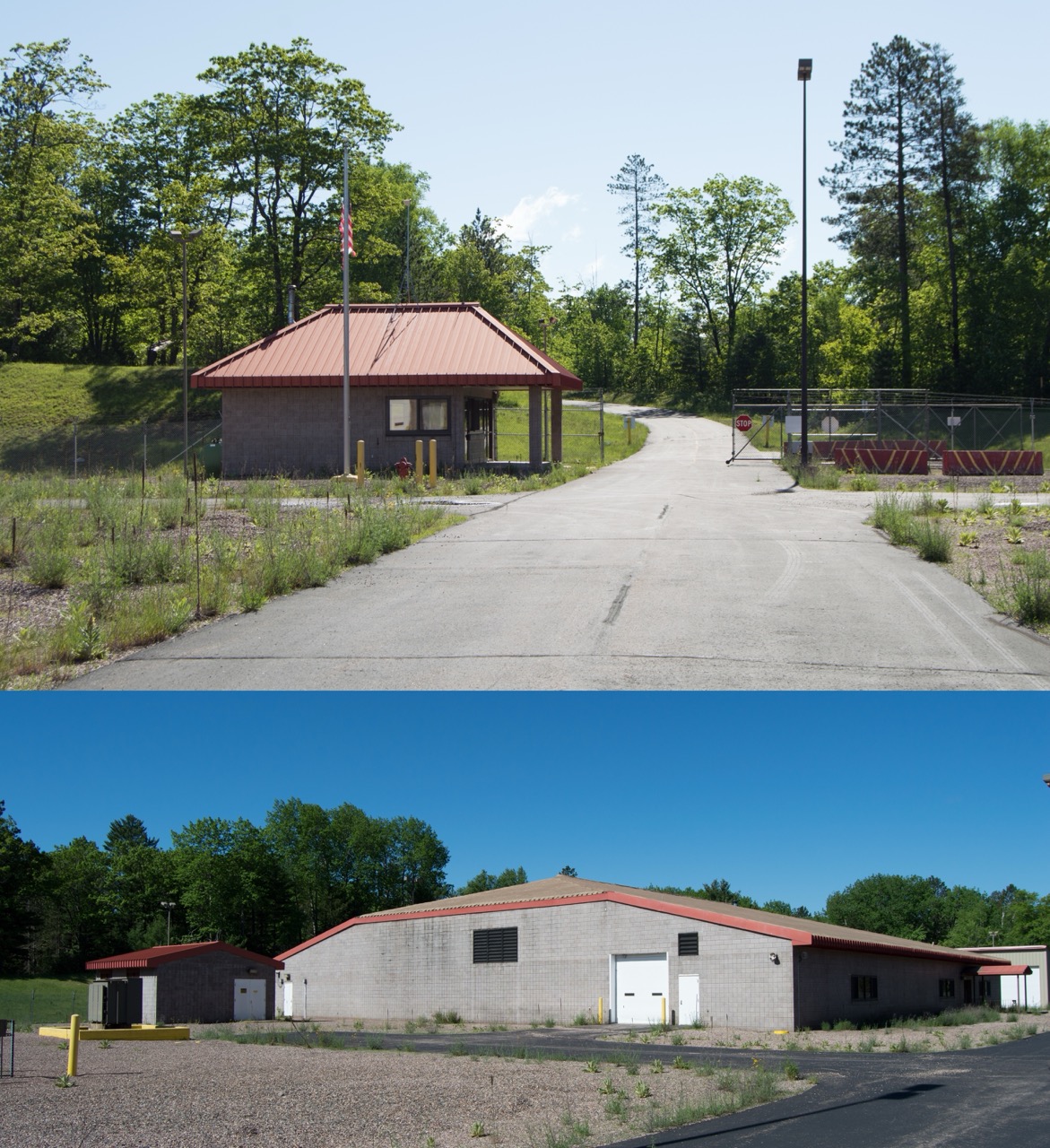
The United States Navy began the construction for Project ELF (extremely low frequency) first near Clam Lake, Wisconsin and, shortly after, in Republic, Michigan. Acting as sister sites, transmitters in Republic and near Clam Lake were connected by 165-mile underground cables. Operational in October of 1989, the Michigan Transmitter Facility (MTF) in Republic used roughly six acres of land. The MTF antenna consists of three lines. Two lines are 14 miles long and the last line is nearly 28 miles in length. Initially, the Navy intended for the site to have an underground antenna system. Protests and sabotage of the original eradication of the program led to a new approach to establishing the system. The ultimate decision was to create the antennas on wooden poles, making the antennas look like power lines to the ordinary eye. Republic, Michigan acted as the correct location for a transmitter to be constructed and was used until September of 2004.
Other Military Sites
Grand Marais Air Force Station
The Air Defense Command (ADC) established an air force station in Grand Marais, Michigan, in December of 1954. The 906th Aircraft Control and Warning Squadron was relocated to Grand Marais from Willow Runs Air Force Station in the Lower Peninsula of Michigan. The station in Grand Marais was a part of the ADC Radar network, which was strategically placed on the edges of the country. Operating with an AN/TPS-10 radar, the squadron's mission was to direct “interceptor aircraft toward invaders seen on the unit's radarscopes.” Deactivated in November of 1957 due to lack of funds, Grand Marais Air Force Station operated for only a short time and eventually became an unmanned “Gap Filler” site until 1968. A sawmill functioned on the property in the 1960s. Now private property, the owners rent out the remaining buildings of the old air force station as storage facilities.
Gap Filler Radar
One of the technological advances leading to the end of the Ground Observer Corps was the development and deployment of AN/FPS-14 and AN/FPS 18 gap filler radar. The gap fillers had a range of about 65 miles and were able to detect low flying aircraft. Most were unmanned, consisting of an L-shaped building and a tower with radar mounted on the top. Three sites in the Upper Peninsula had active Gap Filler Radar: Painesdale, Norway and Grand Marais. A site at Fibre (in the eastern part of the UP) was started, but never finished and a site at Copper Harbor was planned, but never built. The Grand Marais site was originally a manned site in the late 1950s, but transitioned to an unmanned site in 1960 and was deactivated in June of 1968. Both the building and radar tower were left standing for a number of years, but were eventually torn down. Norway was operational from October of 1958 through June of 1968. The building and tower were torn down and all that remains is a concrete slab that supports a vehicle maintenance site at the Pine Mountain Lodge. The Painesdale site operated from June of 1960 through June of 1968. After decommissioning the site, the USAF donated the building and tower to Michigan Technological University, although the land still belongs to Mead Paper Company. The building and tower are still in use today, although neither are owned by MTU.

Strategic Air Command (SAC) // Radar Bomb Scoring
A crucial element to the intricate defense system included the “Nuclear Triad.” The “Triad” was the strategic nuclear strike forces of the United States military during the Cold War. The entire goal of the “Nuclear Triad” was to decrease nuclear attacks and increase the nation’s nuclear deterrence. The Strategic Air Command (SAC) controlled two of three elements of the “Triad,” which included land-based intercontinental ballistic missiles (ICBMs) and strategic bombers. SAC was a part of the United States Air Force Major Command, making it a crucial division to the organization of the Air Force during the Cold War. The Strategic Air Command extended into the Upper Peninsula. Norrie Hill in Ironwood, Michigan became the location of a SAC Radar Bomb Scoring site in the early 1960s. The military used the site to “track high altitude and treetop level bomb runs by B-52s and B-47s on targets.” K.I. Sawyer Air Force Base and Kincheloe Air Force Base were also locations that SAC acquired. The United States military demobilized the Strategic Air Command in 1992, but it was reactivated as the Air Force Global Strike Command in 2009.
Calumet Air Force Station
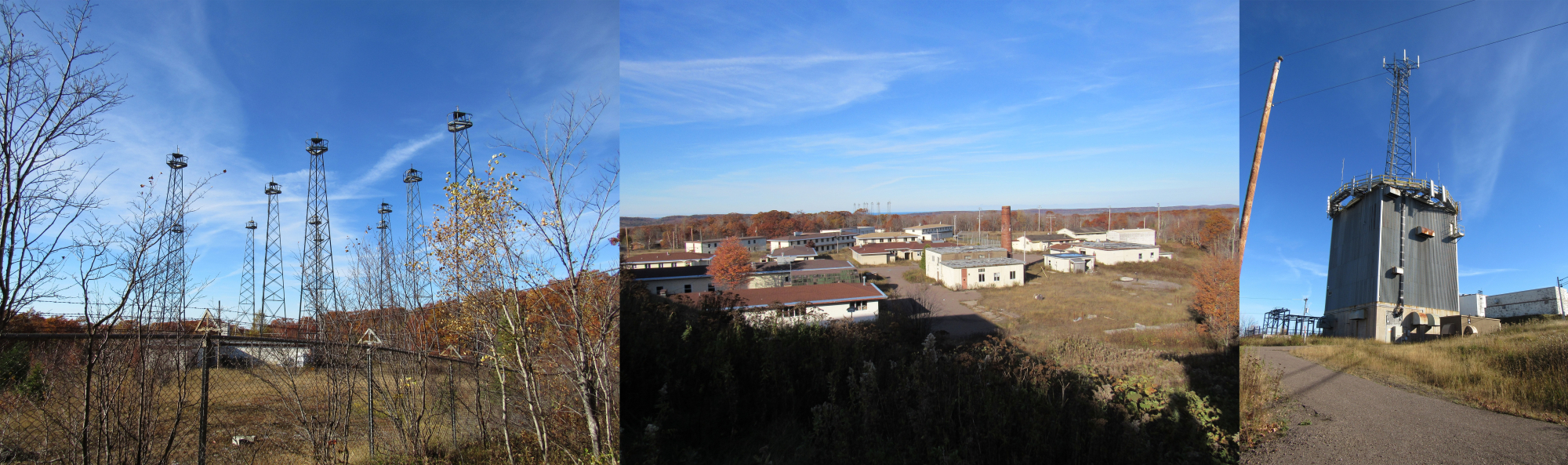
The Calumet Air Force Station was opened in 1950 as a long range radar station for the Semi-Automatic Ground Environment (SAGE). The station was influential in transferring aerial intelligence to chief command centers. The site’s radar was responsible for calculating the altitude of invading aircrafts and assaulting missiles. The Calumet Air Force Station was later upgraded in the 1960s with the latest technology, which shifted its role to have more significance in national defense. This caused an increase in military personnel to nearly 225 stationed at the site. However, the United States ultimately closed the station in 1988.
Raco Army Airfield - BOMARC
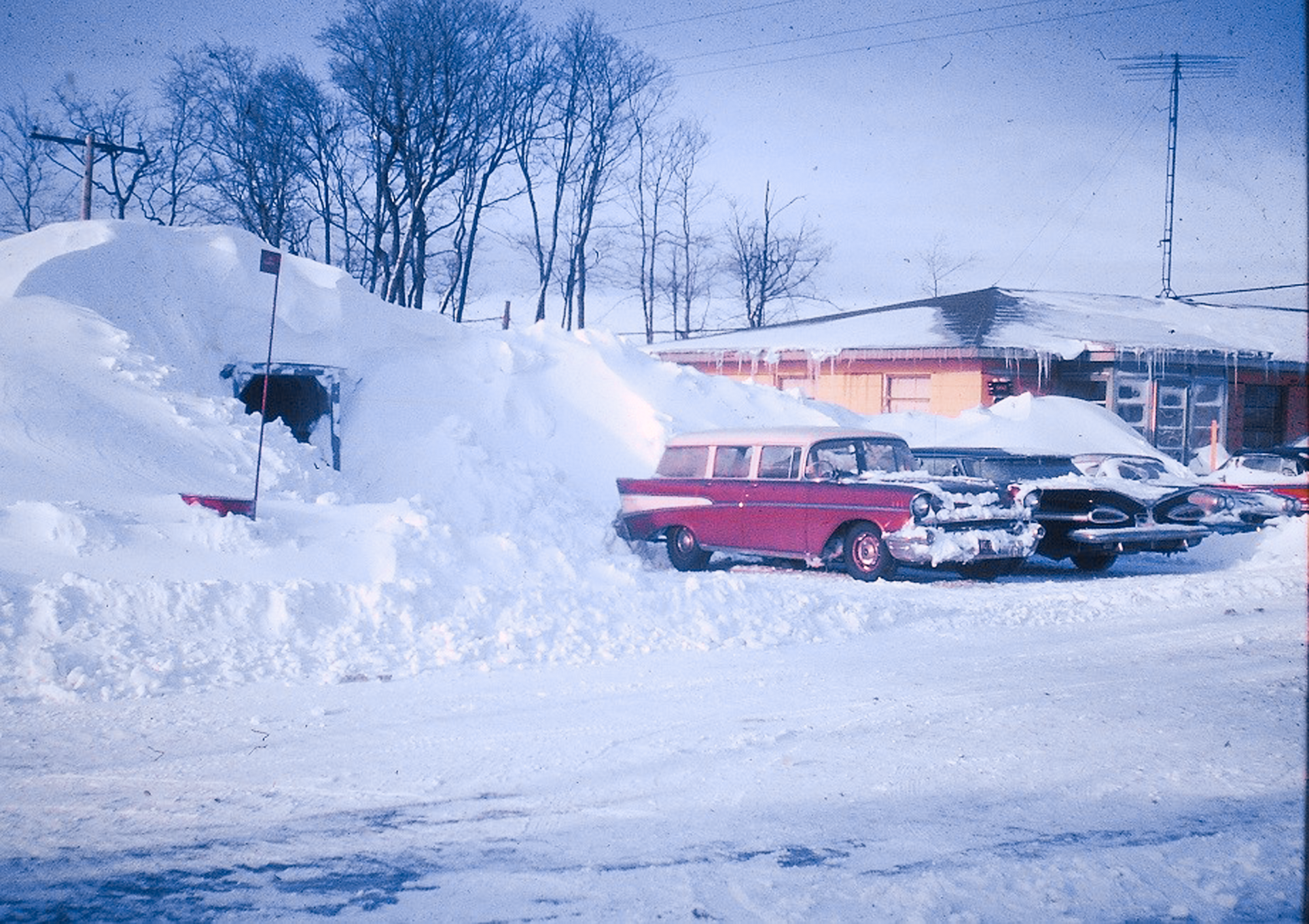
Located over 24 miles southwest of Sault Ste. Marie, Michigan, remnants of the Raco Army Airfield are still visible. The United States Air Force used the airfield during World War II, but closed the site once the war ended. The United States Army then received ownership of the property to operate it as an anti-aircraft artillery location. The Army changed the site by adding 75-mm Skysweeper anti-aircraft guns and transforming roads into access streets for military use. The airfield used the Skysweeper guns as security for the Soo Locks and the surrounding area. The airfield was later equipped with the world’s first long-range anti-aircraft missiles, known as BOMARC missiles. In 1957, the site closed due to newly operating sites that were better equipped for defense, such as Kincheloe Air Force Base and K.I. Sawyer Air Force Base.
UFO Over Lake Superior
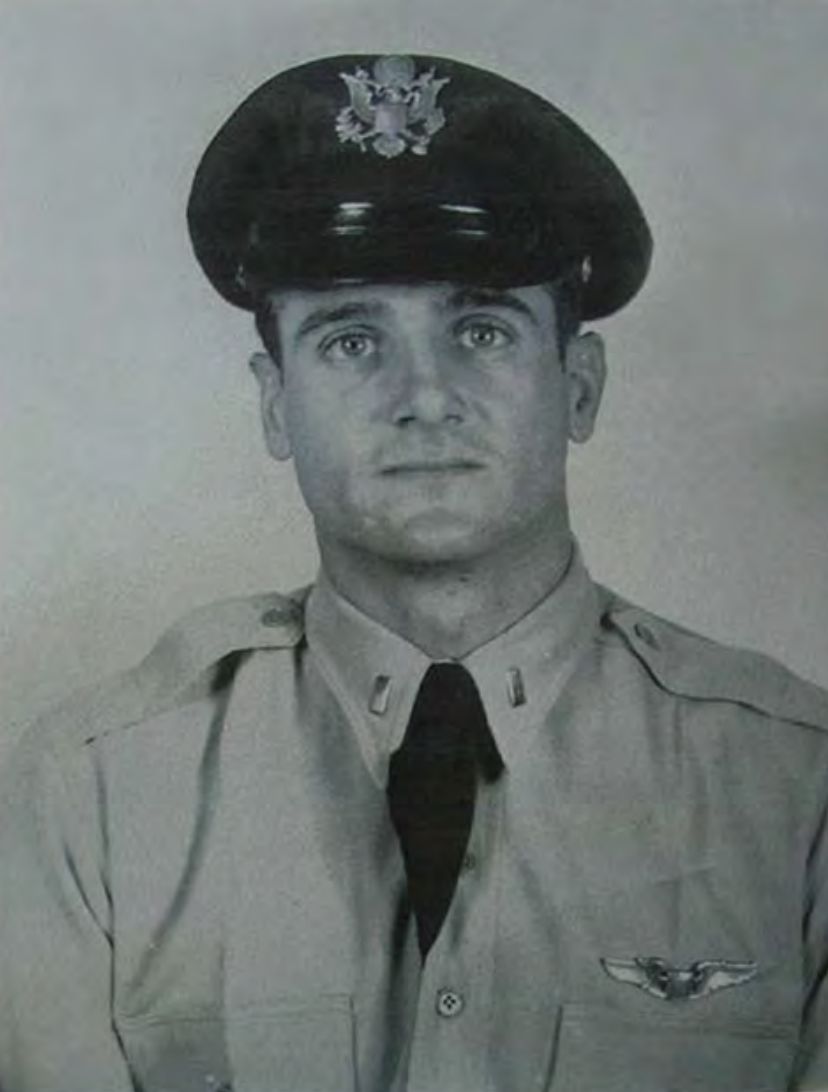
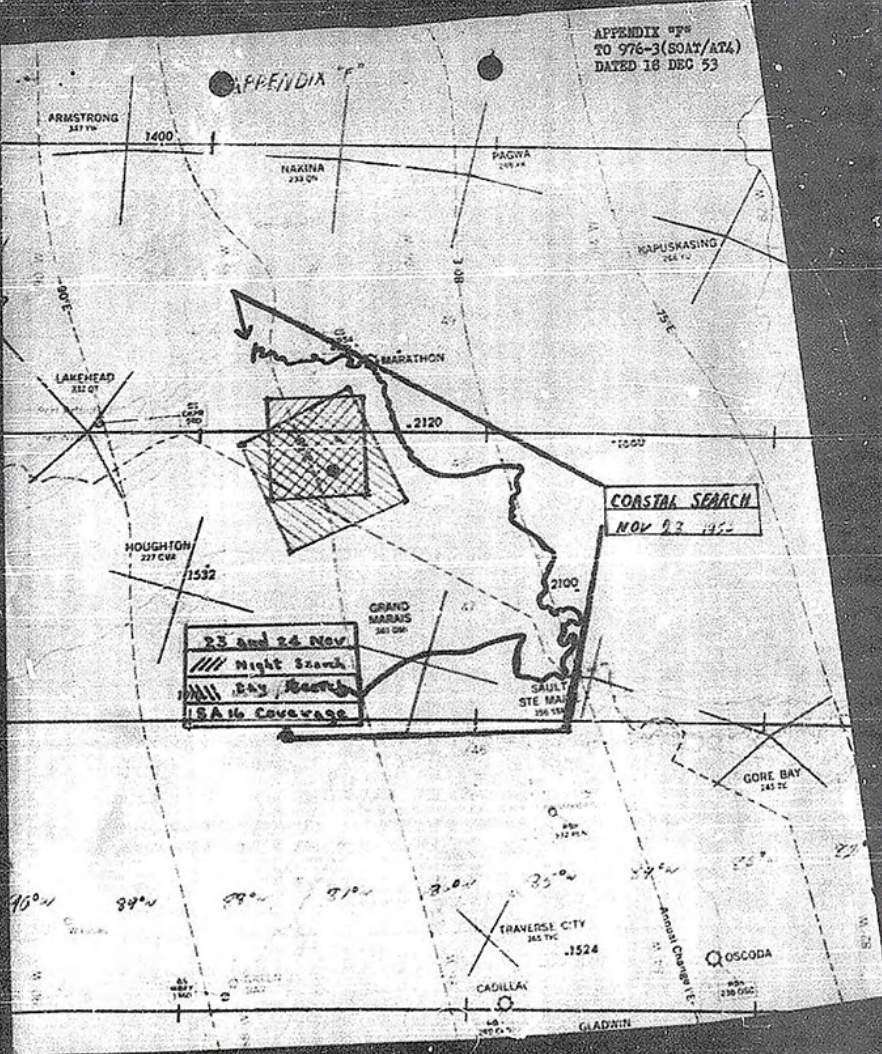
On the evening of November 23, 1953, a US Air Force Scorpion F-89 jet was scrambled from Kinross Air Force Base in Kinross, Michigan. Air Defense Command radar had picked up an unidentified flying object over Lake Superior and the crew and jet on loan from Truax Air Force base in Wisconsin were sent to find out the origin of the “blip.” On board were pilot Lt. Felix Moncla and radar observer 2nd Lt. Robert Wilson.
The jet was ordered to fly at 30,000 feet until it arrived at where the blip was being signaled about 70 miles from the tip of the Keweenaw Peninsula. At that time, they were instructed to fly sharply down at the object and rendezvous with it at around 7,000. However, when this moment arrived, both the UFO and the Scorpion F-89 disappeared from the radar screen. Search flights and boats were sent to the location but they never found any wreckage or the bodies of the missing airmen.
The USAF’s report on the incident claimed that the “blip” was actually a Canadian Air Force cargo plane but the Royal Canadian Air Force denies that it was anywhere near that spot on Lake Superior. Because it was in November, the weather was a bit blustery with snow, but there was no reported turbulence at the time of the flight. In another twist, an identical F-89 from Truax had exploded in mid-air and crashed in Madison. Some believed that maybe the same fate led to the disappearance of the Lake Superior F-89. However, to this day, there has yet to be any wreckage spotted of the plane and it remains a true unsolved mystery.
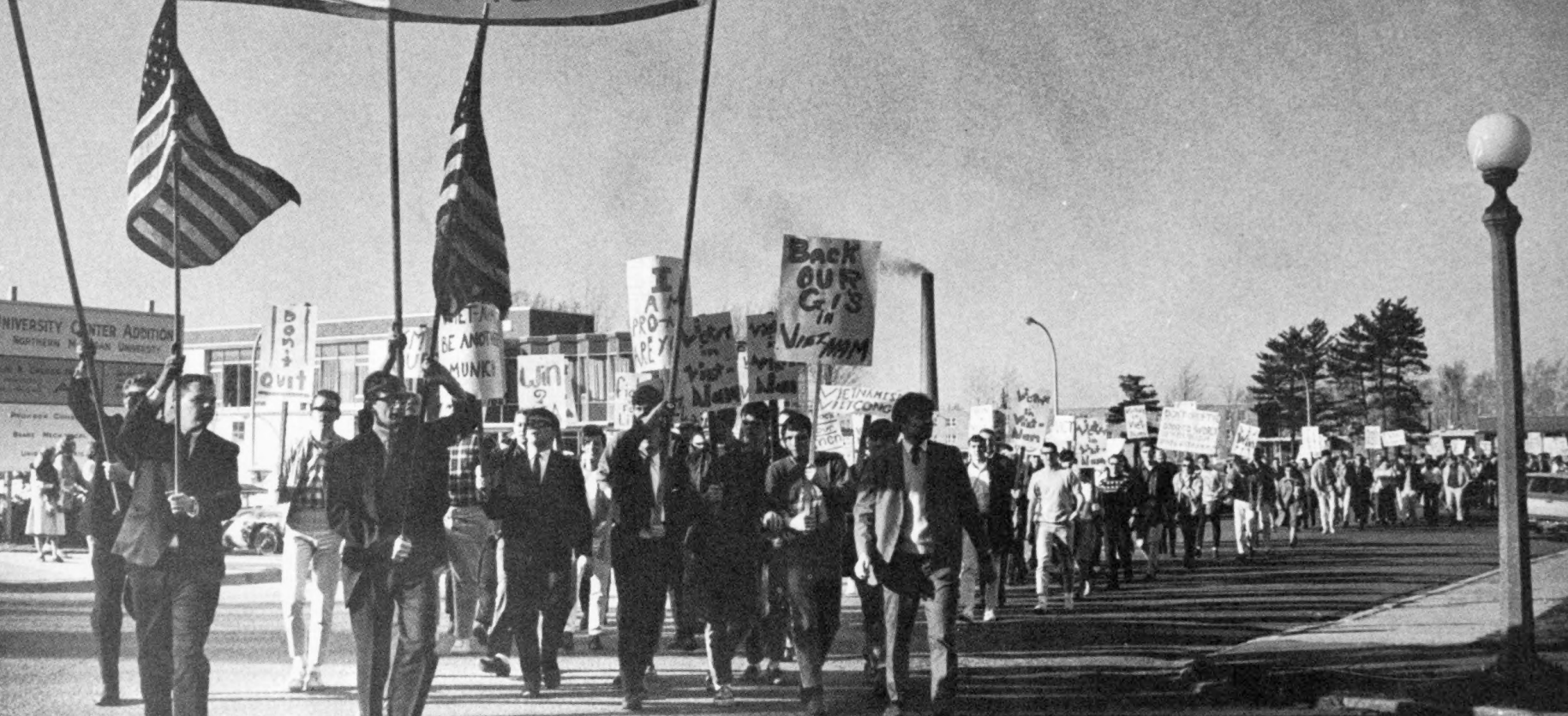
Demonstration In Support Of The Vietnam War, 1965
In the 1960s, NMU saw quite a bit of on campus activism in the form of protests. Student’s held a protest in support of the Vietnam War in 1965. This caused a stir on campus as shown in letters to the school’s paper, the Northern News. The pro-Vietnam demonstration was held in November of 1965, sparked by a letter written to the Northern News in October by Dr. Ellsworth Bernard. Dr. Bernard’s letter was voicing support for the anti-war protests that were happening around the country at that time. A group of students called the “Committee for Victory in Vietnam” (CCV) organized the pro-war demonstration. According to the November 5 issue of Northern News over 200 students attended the demonstration in support of President Johnson’s policy. The students even made a call to the president to alert him of their support, however, the president was sleeping at the time of the call.
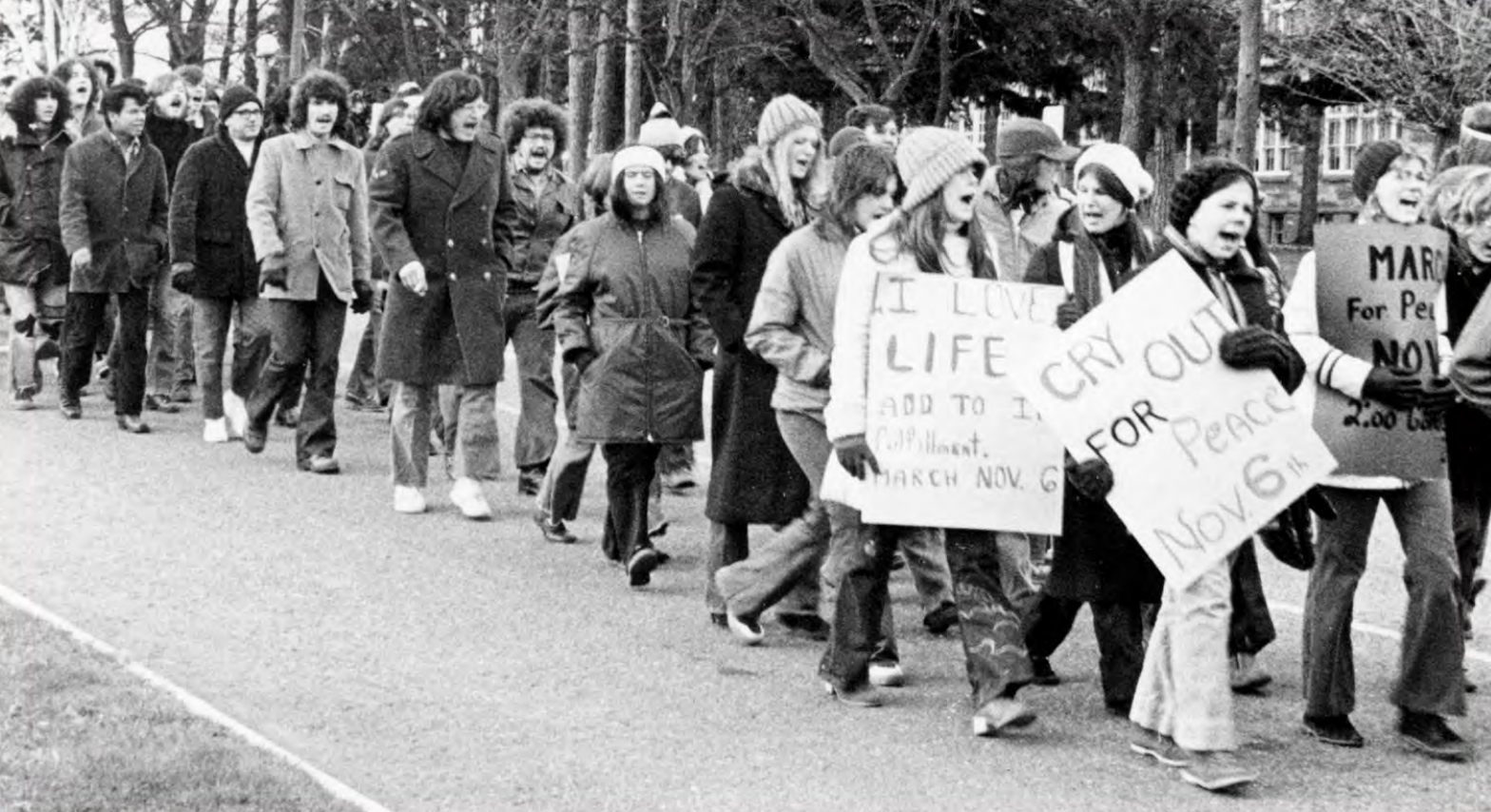
Demonstrations Against The Vietnam War, 1969
NMU had its fair share of anti-war protests on campus during the 1960s and 1970s. It was announced in February of 1969 that NMU would begin a ROTC program in the coming Fall semester. This angered some students and on February 18 an anti-ROTC protest was held. The issue was the fact that academic credit was being awarded to ROTC participants. The anger towards ROTC continued into March, the editorial in the March 5th issue of Northern News questions if ROTC should be giving academic credits saying, “If the individual finds ROTC appealing, well and good. It has as much of a right to exist on our campus as fraternities, sororities, and other EXTRA-CURRICULAR organizations. And that’s just the point.” A letter to the Northern News in the March 14th issue defends the protest and suggests, “either the University should eliminate ROTC as an accredited activity or ROTC should change to merit accreditation.”
In the fall of 1969 NMU students held anti-war protests. The protests were held by the National Vietnam Moratorium Committee. It was reported in the November 8th issue of the Mining Journal that anti-war protesters had a week of events planned. Protesters went door-to-door handing out informational pamphlets on the war, candlelight marches, and showed films throughout the week of Veterans Day. The demonstrations were part of a national movement held that Fall.

Newspaper caption: "Supporters of the November Vietnam moratorium gathered in front of the University Center Tuesday afternoon to pray, sing and plant crosses in the ground commemorating U.P. Vietnam war dead. This was part of a week of activities surrounding the call of the National Moratorium Committee for protest against the Vietnam war. Young Americans for Freedom (YAF), a conservative student group, also staged activities during the week, including a debate on the war among four NMU faculty members. (Complete story on page two.)"

ACKNOWLEDGEMENTS
Curators
- Casandra Somes and Daniel Truckey
- Research, Editing and Writing
- Casandra Somes
- Regina Stock
- Karen Kasper
- Elizabeth Fust
- Daniel Truckey
The Beaumier Center thanks the following individuals and institutions for their assistance with this exhibition.
- Central Upper Peninsula and Northern Michigan University Archives
- K.I. Sawyer Museum
- Library of the Congress
- Lockheed Martin
- Marquette Regional History Center
- National Archives and Record Adminstration
- National Museum of the U.S. Air Force
- SciShow
- SignsNow
- Humboldt Township
- Bob Vick
- Ron Michaelson
- Mindy Fry-Metcalf
- Julio Arrospide
- Jenny Schuden Kilen
- Dan Edwards
- Sherry Thomas-Saylers
- Joseph Ash
- Jim Webber
- Thomas Prophet