
In the annals of Michigan history, one of the most unique and fascinating episodes is that of the men who fought as part of the Northern Russian Expeditionary Force during WWI. The members of the 339th infantry, 310th Engineers and 337th Medical Corps were known as the "Polar Bears," due to their service during the winter of 1918-19. They suffered great hardshíps, deprivations, harsh conditions and great loss but were proud of their service to their country. Over 100 men from the Upper Peninsula served in the Polar Bears and almost all of them were 1st generation Americans, some not even yet citízens. They represented the great social and ethnic diversíty of the U.P. during the 1910s. Some would give the ultimate sacrifice, some were decorated for their service and others simply lived to tell the tale. This is their story.
Acknowledgements:
This exhibition would not be possible without the assistance of the following people and institutions, many of whom have been keeping the memory of the Polar Bears alive for several decades.
Polar Bear Memorial Association
Mike Grobbel
Bentley Historical Library, University of Michigan
Michigan's Own Military & Space Museum
John Auger
Walter P. Reuther Library, Wayne State University
Library of Congress
National Archives and Records Administration
| 
|
Russian Conflict Begins
In September of 1918, the “Great War” was beginning to wind down in Europe. Germany was collapsing
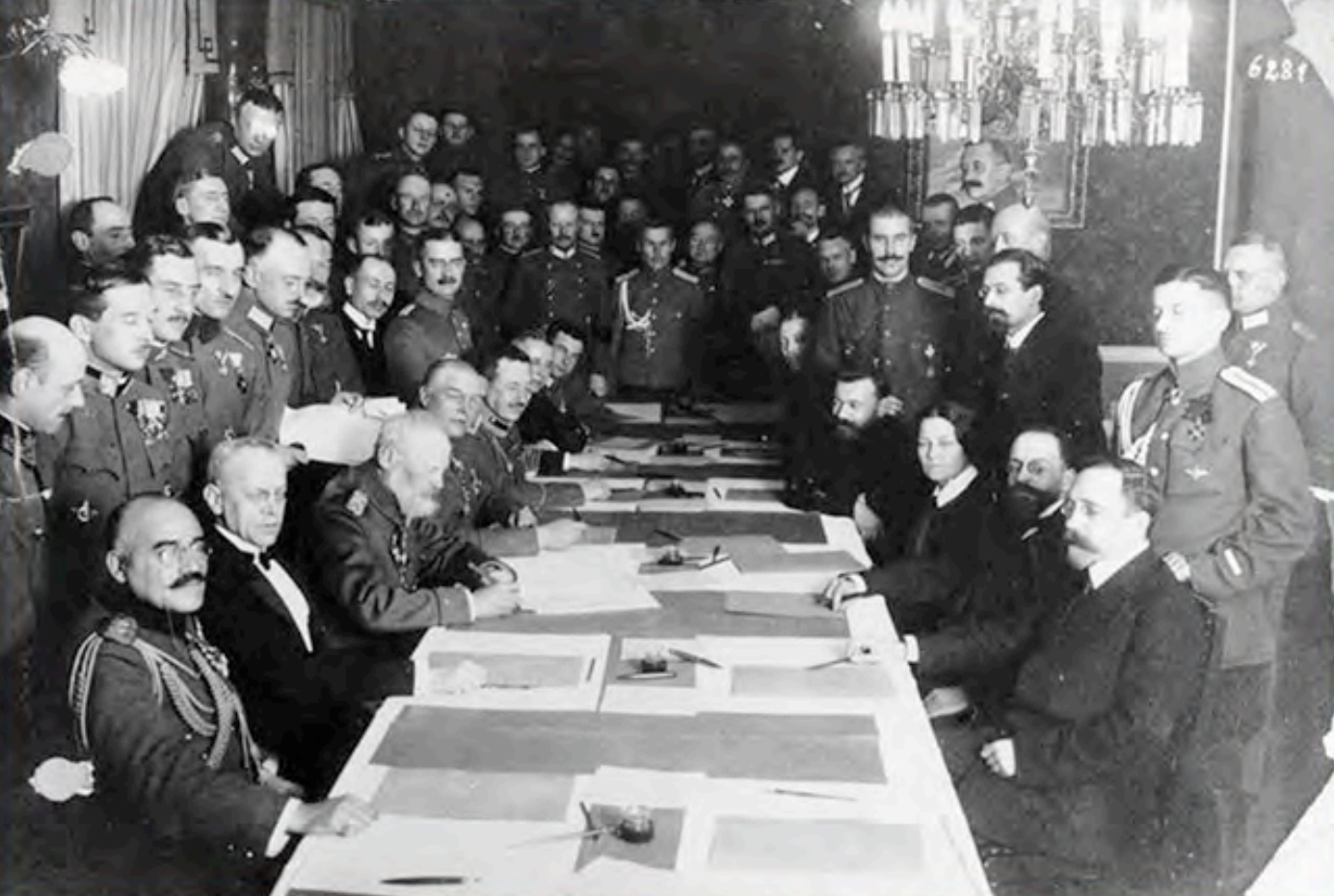
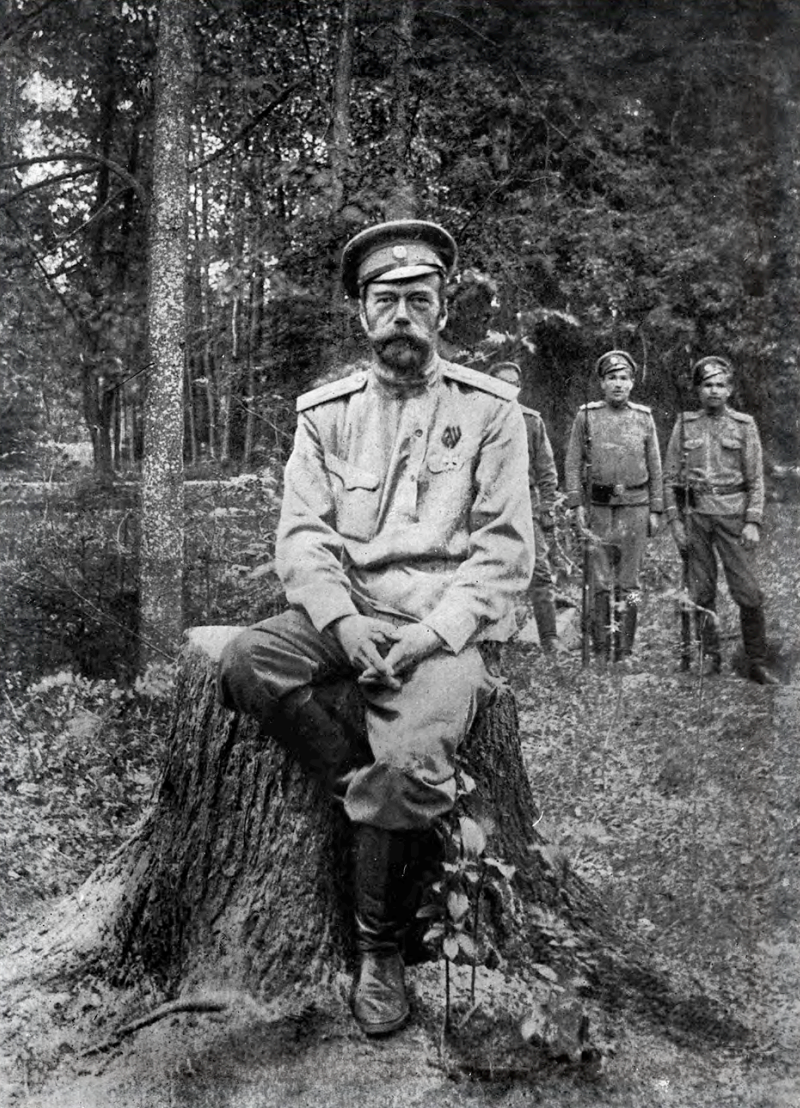
Russia had been one of the allies during the beginning of the conflict, but after the October Revolution
| 
|
Michigan's Own
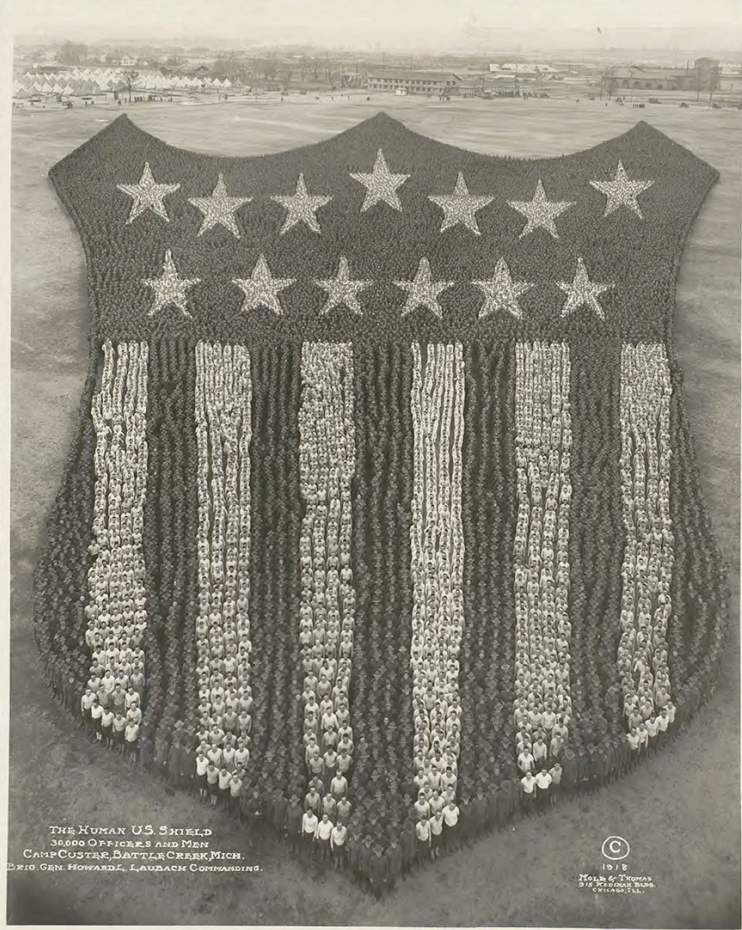
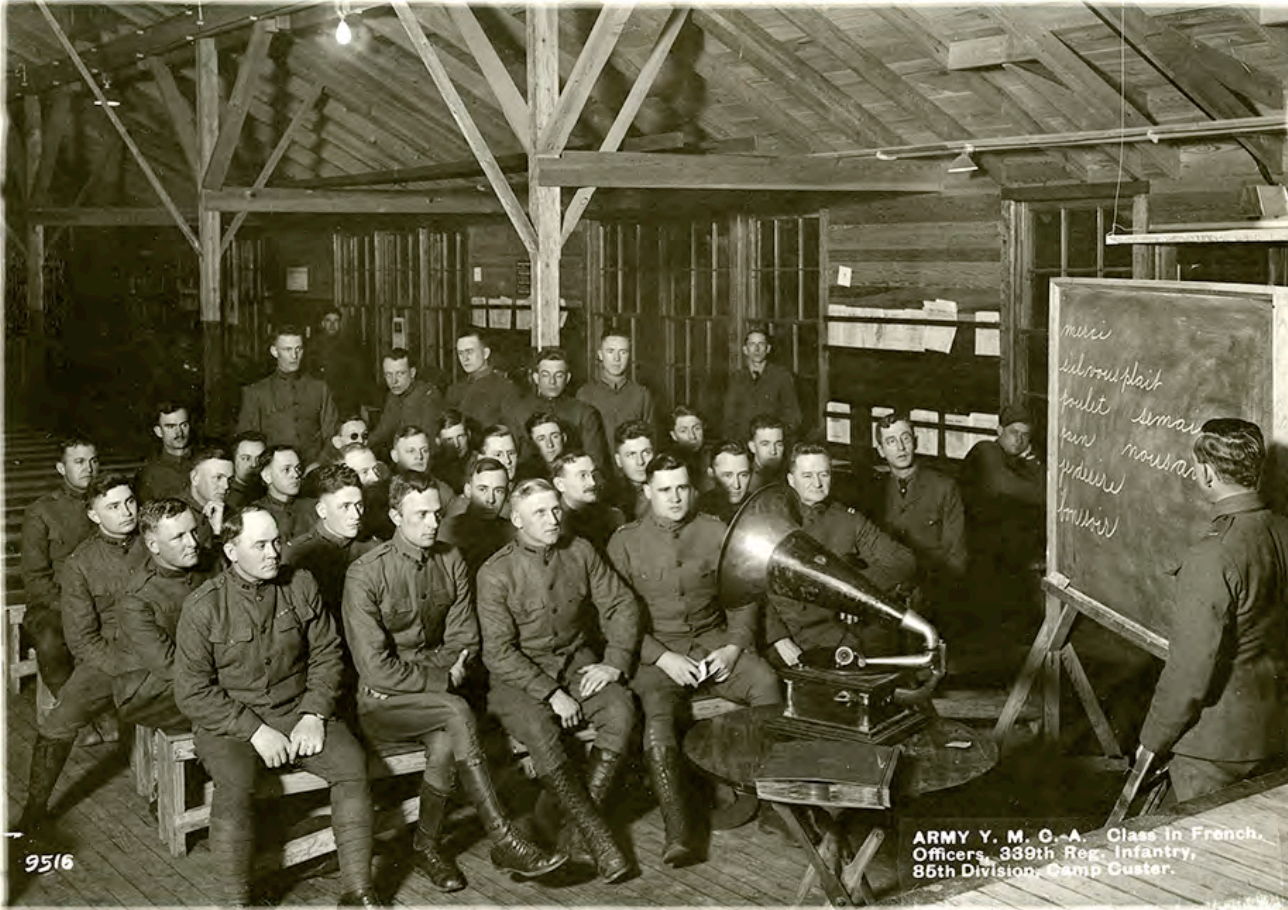
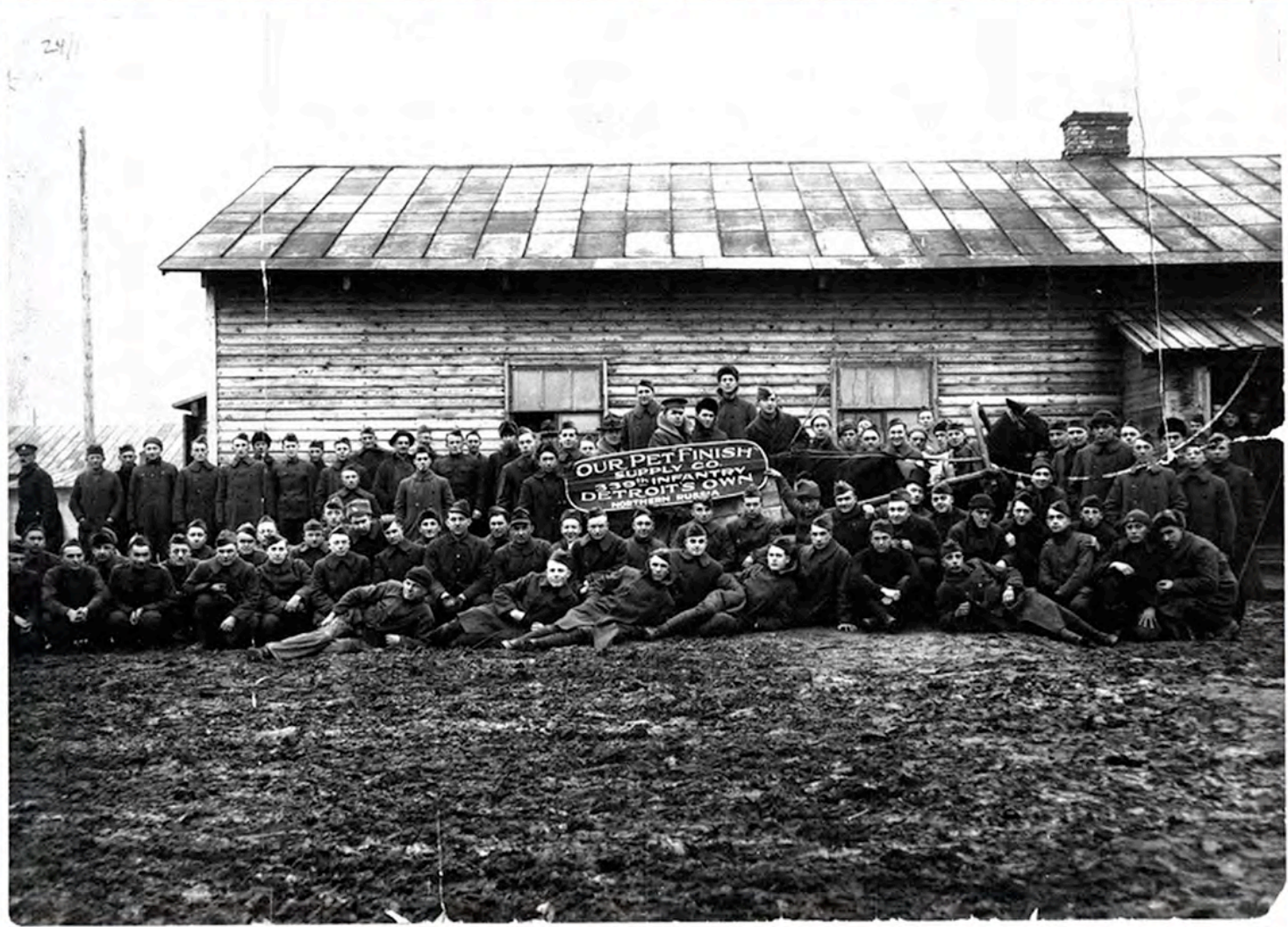
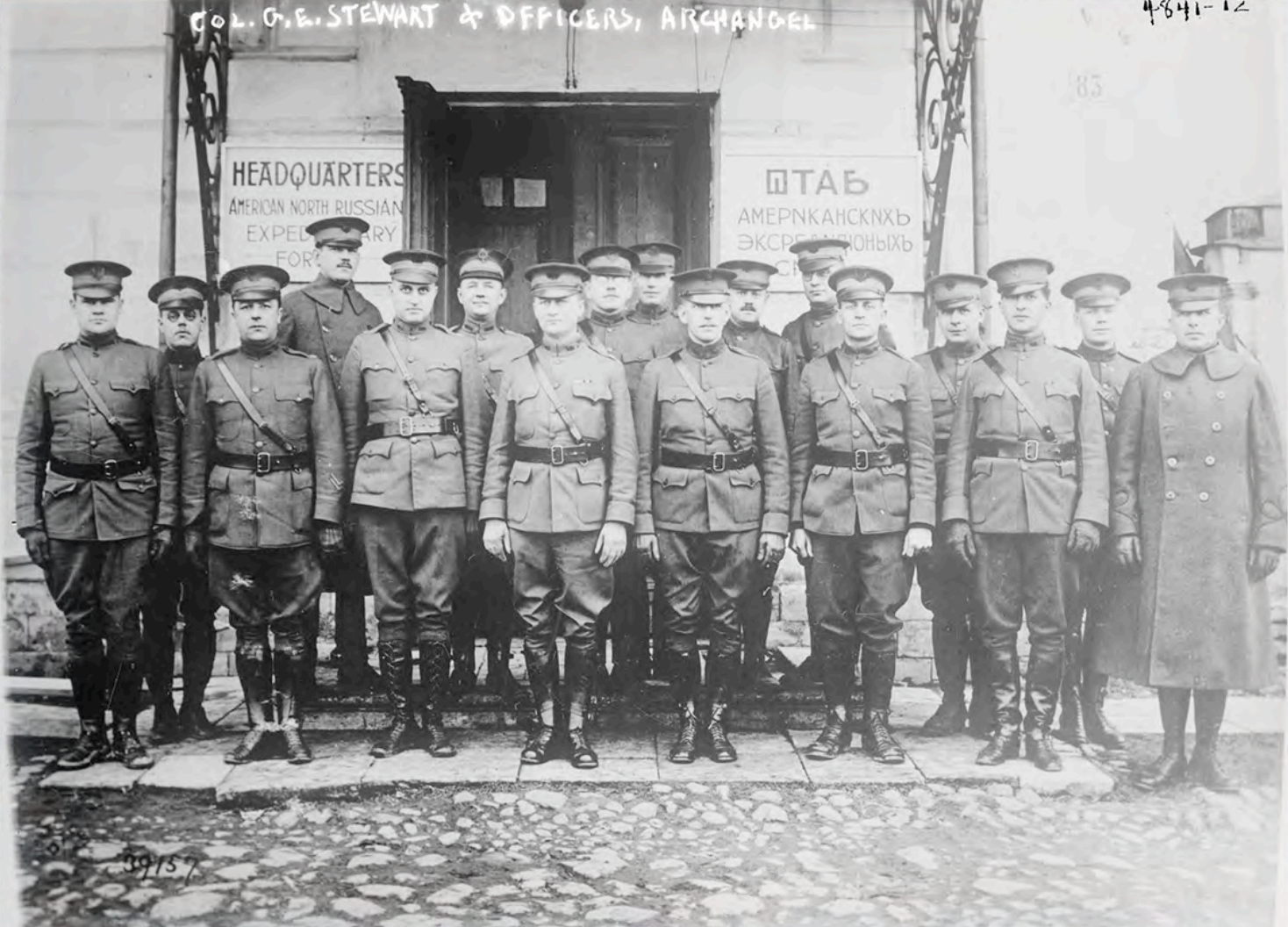
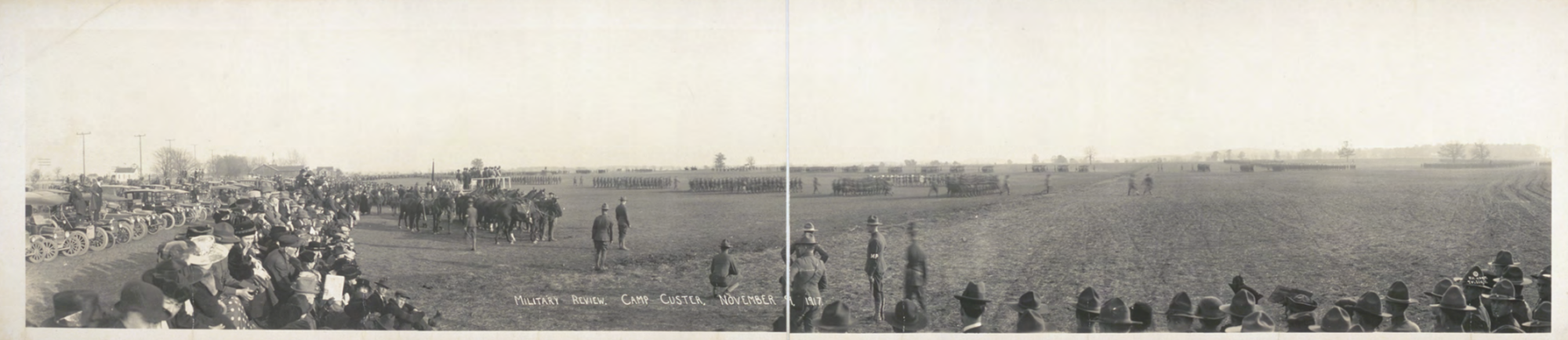
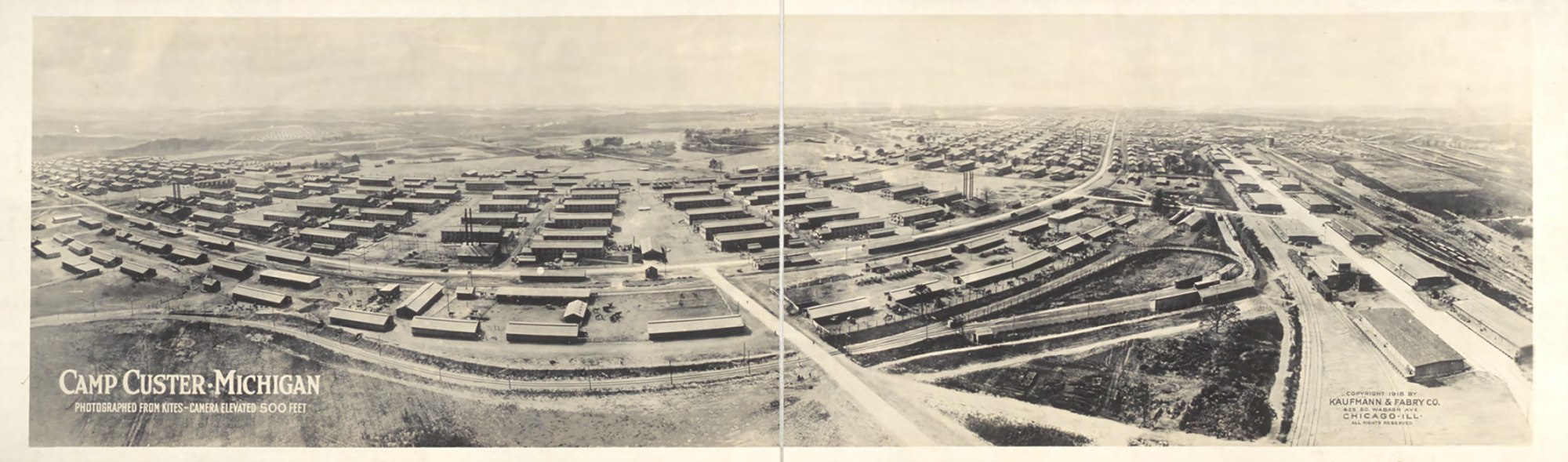
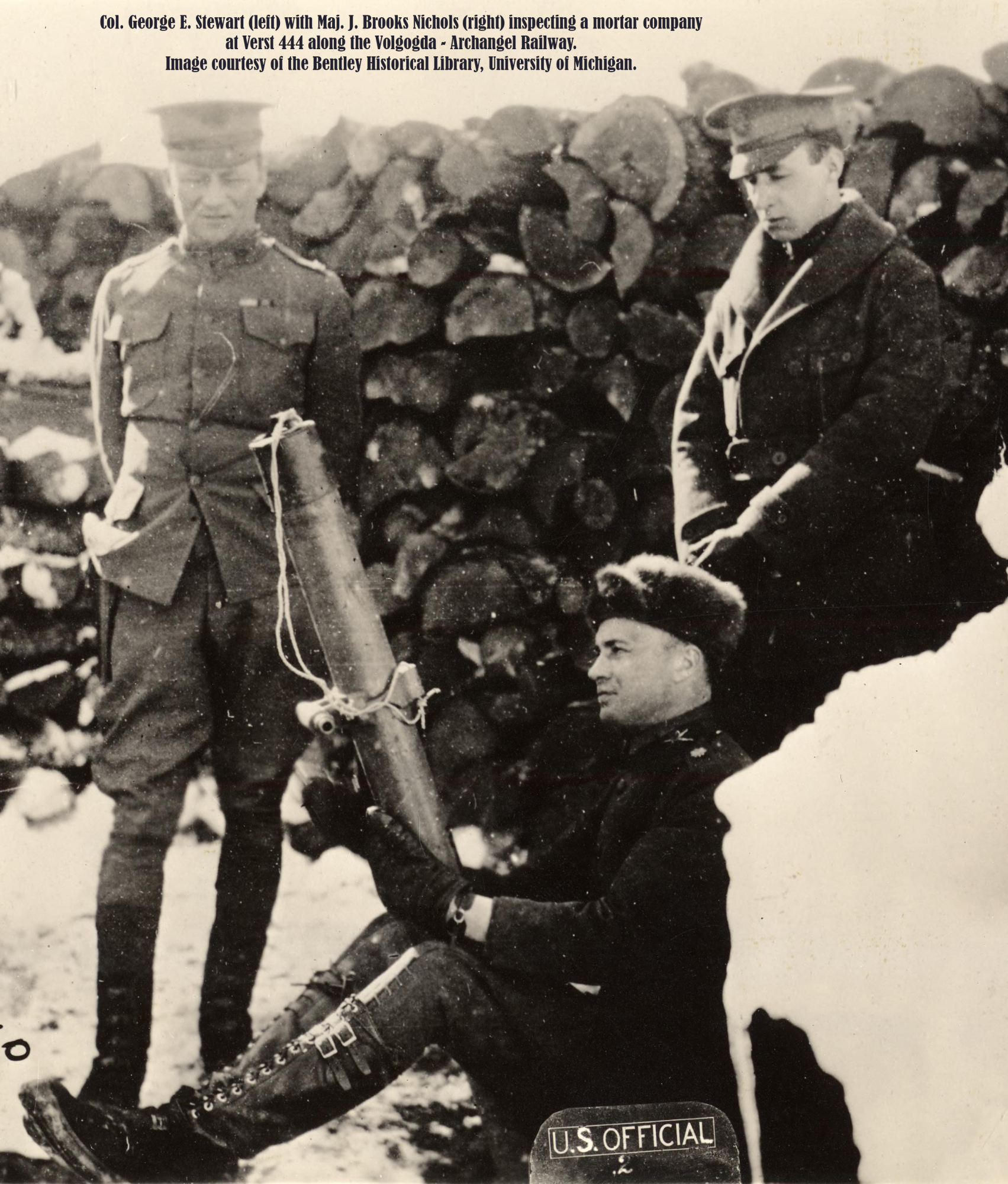
| The soldiers who comprised the Northern Russian Expeditionary Force were part of the U.S. Army’s 85th Division, which included the 339th Infantry Regiment, the 1st Battalion of the 310th Engineers, the 337th Ambulance Co. and the 337th Field Hospital. The 85th Division was mustered in at Fort Custer in Battle Creek, Michigan. For this reason, many of the soldiers were enlistees or draftees from the State of Michigan and over 100 of them were from the Upper Peninsula. There were also many from other Midwestern states and other parts of the country, but the divisions that were sent to Russia would soon be known as Michigan’s Own or Detroit’s Boys. In the Spring and Summer of 1918, thousands of young men began arriving at Camp Custer for their basic training in the U.S. Army. Besides learning the techniques of firing a weapon and hand-to-hand combat, soldiers would mostly remember the long arduous marches through the Lower Michigan countryside. In July, the troops were finally mobilized after weeks of training and found themselves on trains headed for Detroit and further east. They arrived at Camp Mills on Long Island on July 15th and would set sail for Europe from New York on July 21st. On August 2nd , the 85th Division arrived in Liverpool and was split up and sent to different encampments. Most were sent to Camp Aldershot near Brookswood, Surrey (about 15 miles southwest of London). For the next few weeks, they took part in training exercises, preparing for their departure to France. However, their officers were soon informed that plans had changed and that parts of the 85th Division were going to be sent to Northern Russia. Soldiers were given new Nogent rifles, which they felt were inferior to the Enfields they had trained on. They also were given new boots, known as “Shackleton Boots” since they were the same kind Sir Ernest’s men wore on their ill-fated expedition to Antartica. The American Northern Russia Expedition Force would be under the command of Col. George E. Stewart, who received the Medal of Honor for gallantry during the Spanish-American War in the Phillipines. The 339 th was chose for the Russian mission due to Stewart’s experience with winter war tactics that he learned while stationed in Alaska, rather than the often repeated myth that it was because the majority of the soldiers came from the Upper Midwest. |


Camp Aldershot
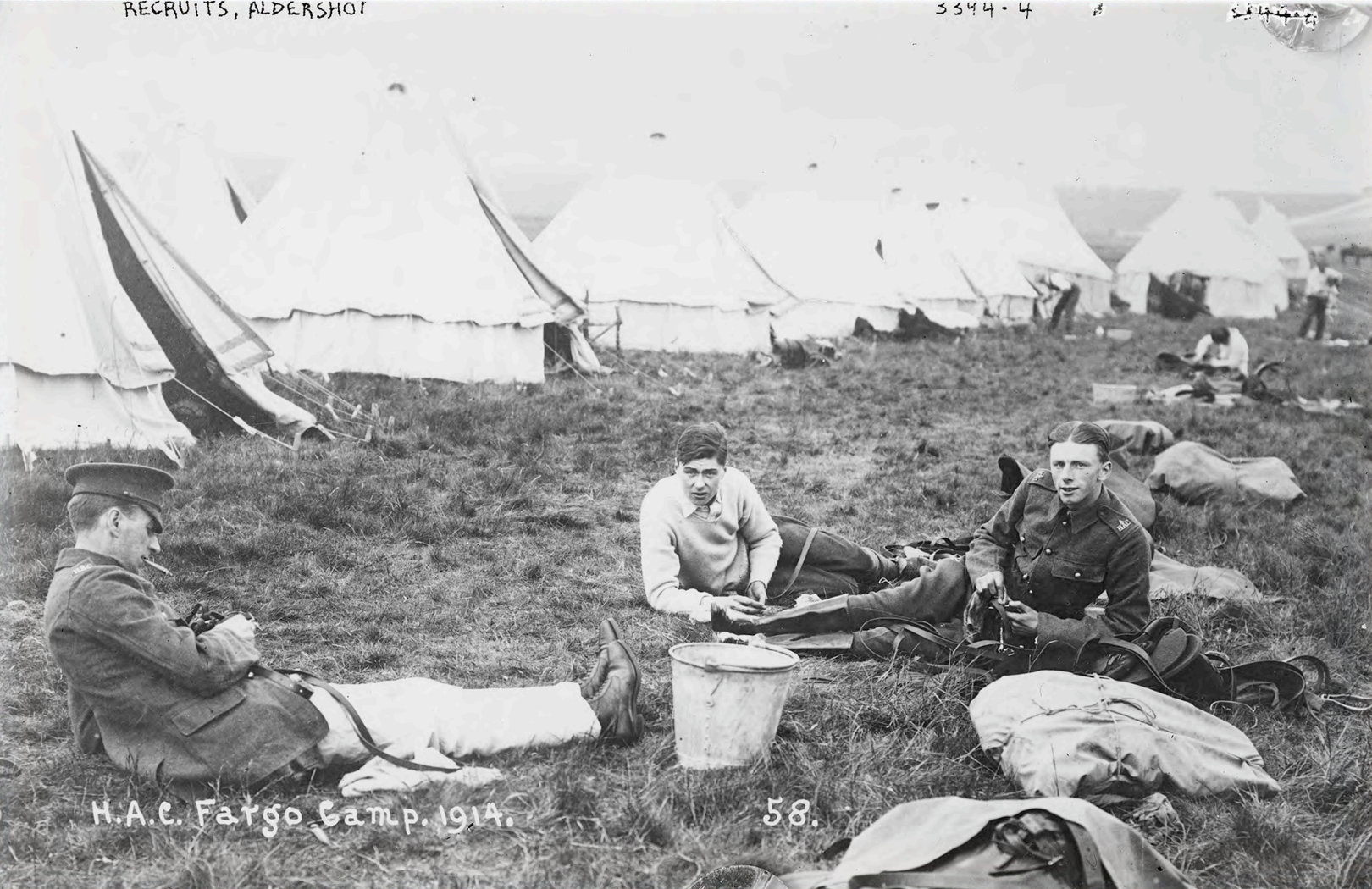
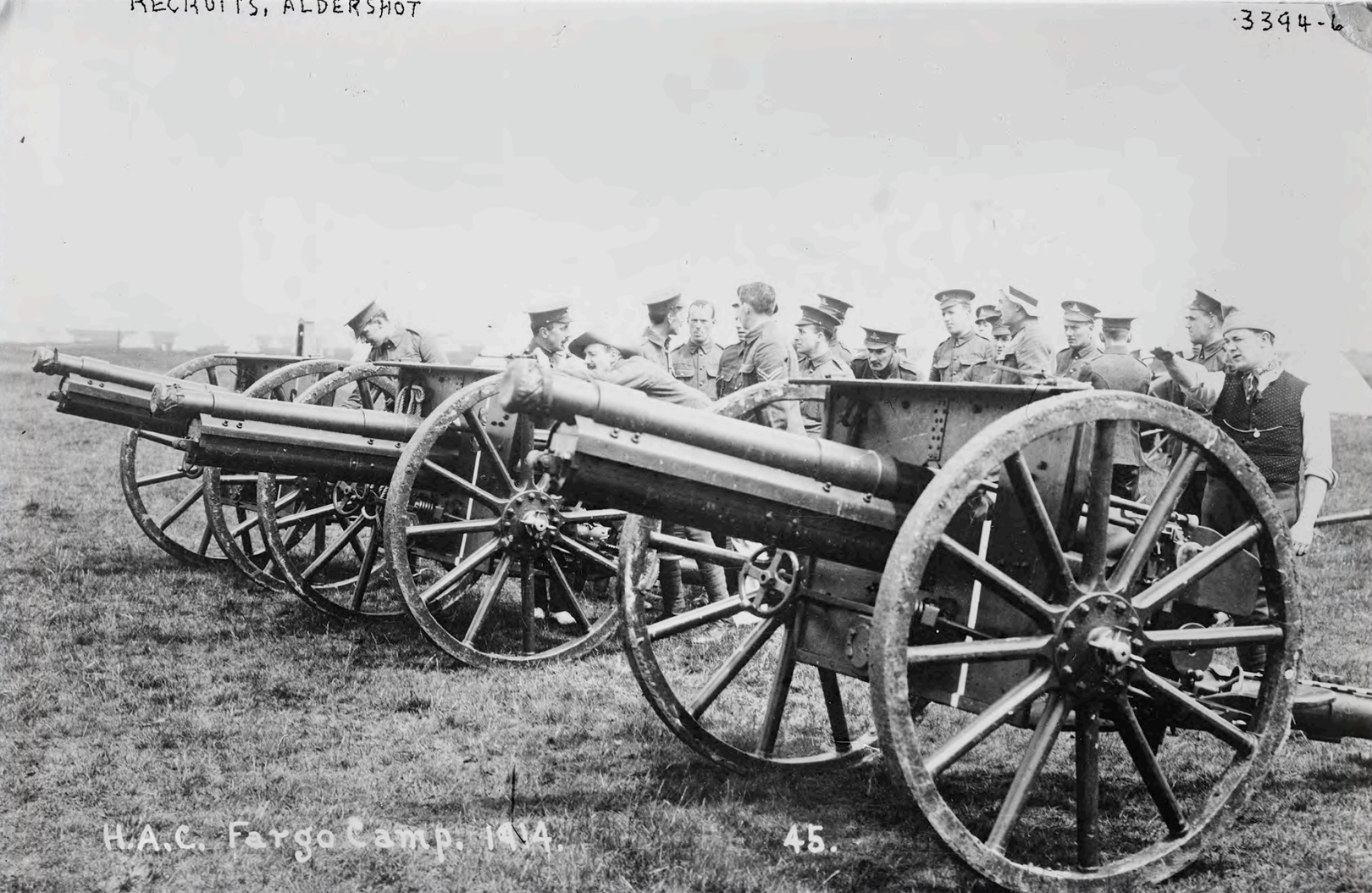
There are no known photographs of American troops at Camp Aldershot near Surrey, England, which was a major staging and training area for American troops on their way to Europe. The 339th Infantry was stationed there before they left for Newcastle-on-Tyne, where they left on their sea journey to Northern Russia. Here are photographs of British recruits training at Camp Aldershot. The conditions for the 339th would have been much the same. Images are courtesy of the Library of Congress.
North to Russia
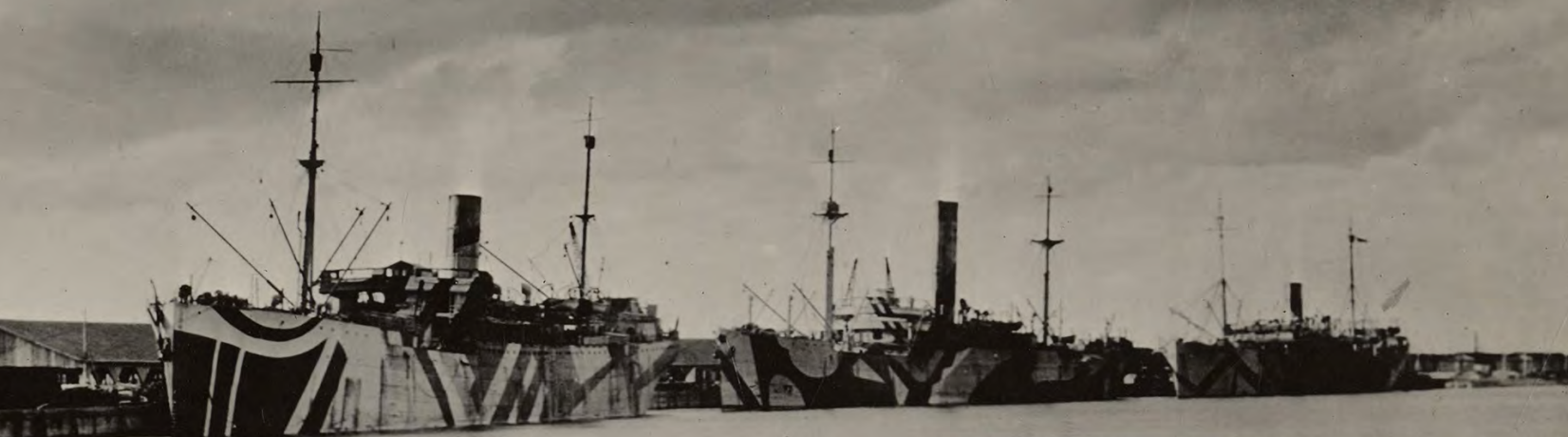
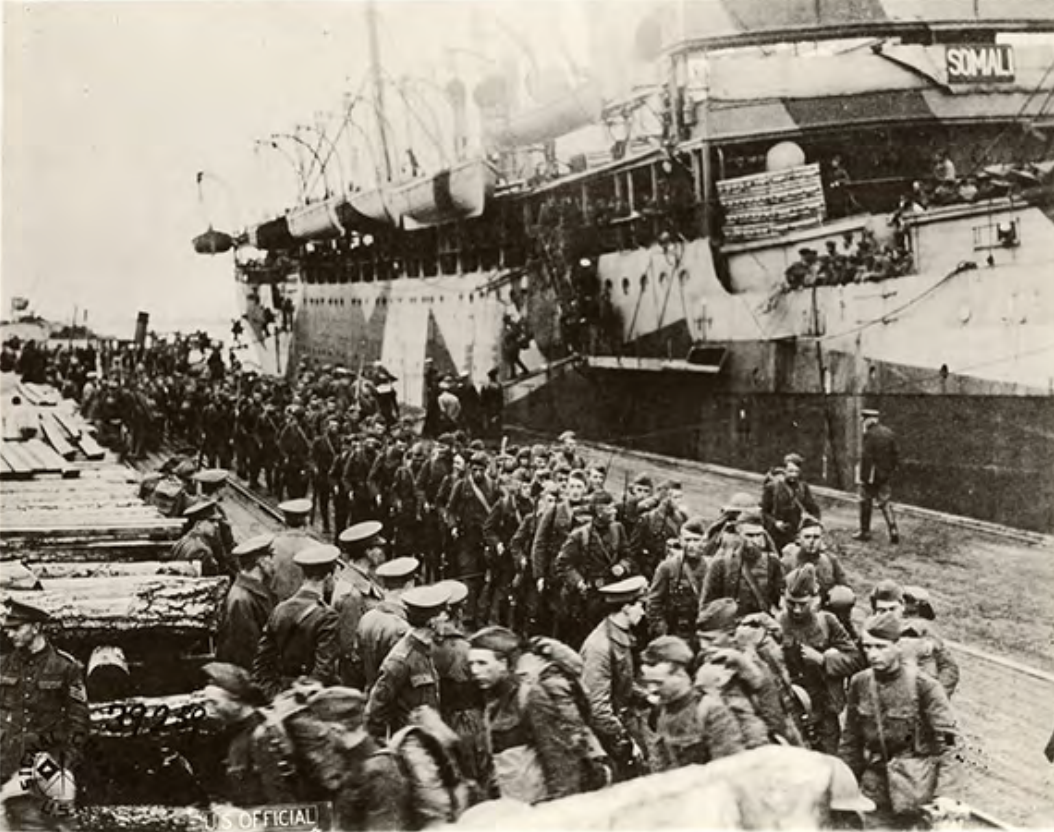
On August 26th , the American Northern Russian Expeditionary Force left the Newcastle-on-Tyne docks en route to Murmansk and Archangel, Russia. The soldiers from the 85th division loaded onto three British ships, the flagship “Somali”, the “Nogoya” and the “Tydeus.” The ships sailed north around Norway and then into the White Sea.
The men were used to sailing across seas, but these ships were hardly as comfortable as the ones they sailed in from America. The cramped quarters had little to no airflow and there were very meager cooking facilities. Seasickness on the rough waters of the North and White Sea took its toll on all the soldiers. However, once at sea an even bigger problem began to surface. While in England, several of the troops had contracted the “Spanish Flu” which had already been killing thousands in Europe (eventually 20–40 million people worldwide would die during this epidemic). The doctors quickly tried to separate the infected soldiers but due to cramped quarters and lack of proper medical supplies, it quickly spread. Soon hundreds on board the vessels were infected and by the time they had reached Archangel, dozens of soldiers had perished.
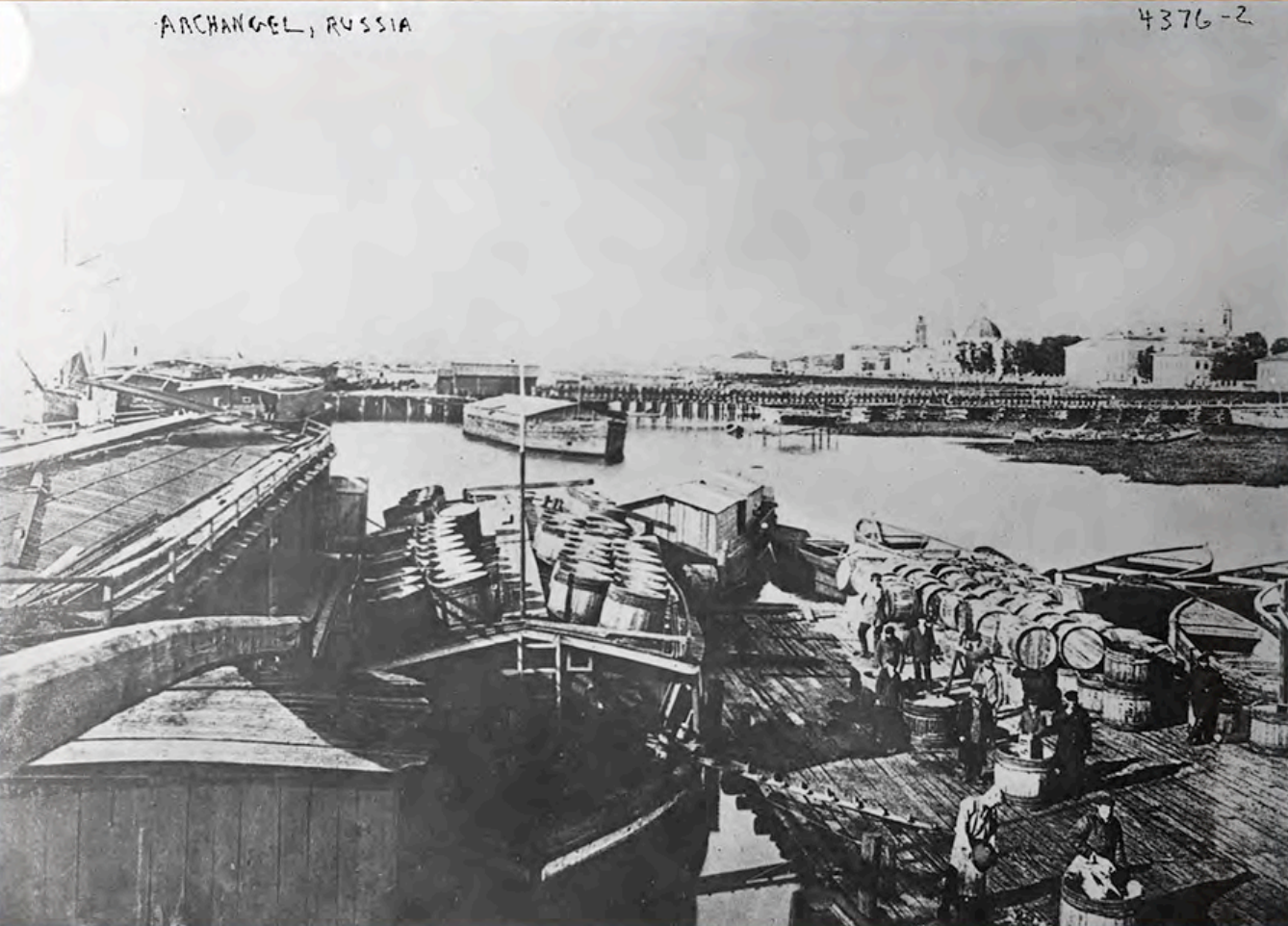
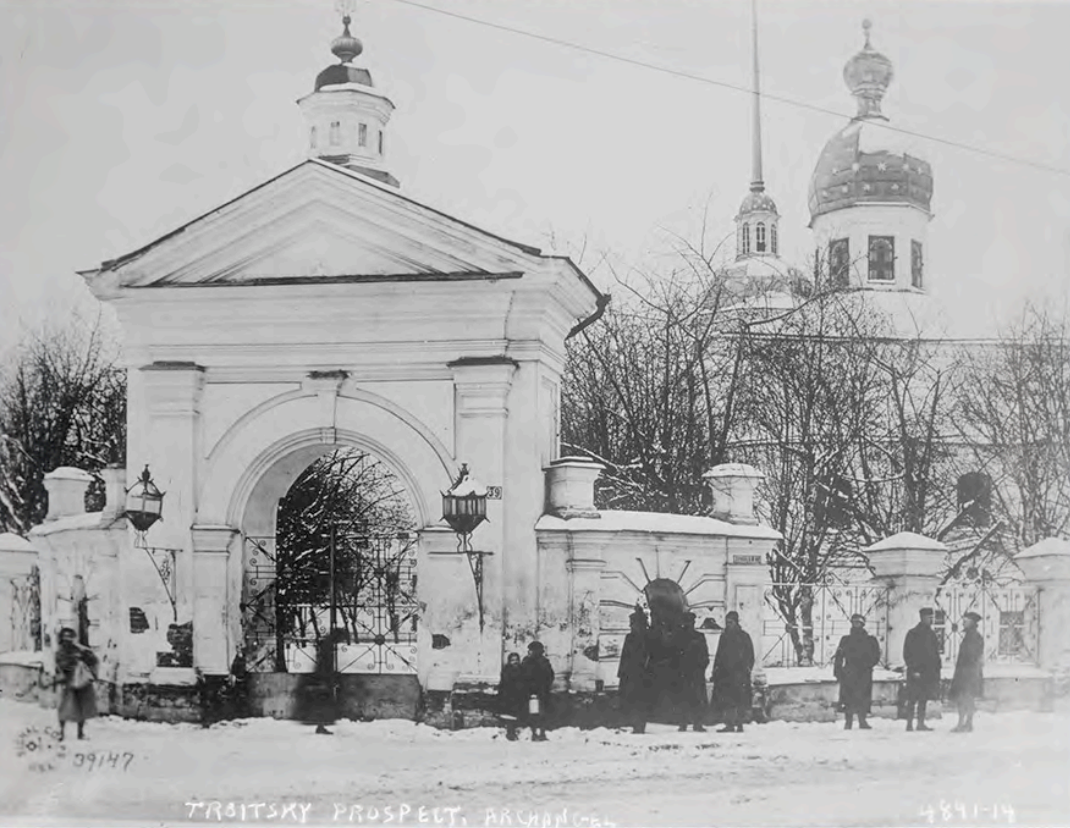
The transport ships arrived in Archangel on September 5th , but rather than docking in the city, they docked across the Dvina River in Barkaritza (probably in part to avoid contaminating the local populace with the flu). The sick soldiers were than billeted in makeshift hospitals and the other soldiers prepared to embark on their appointed missions. On September 6th , the first troops began to debark on their way to destinations unknown and for reasons even more obscure.
The Five Fronts
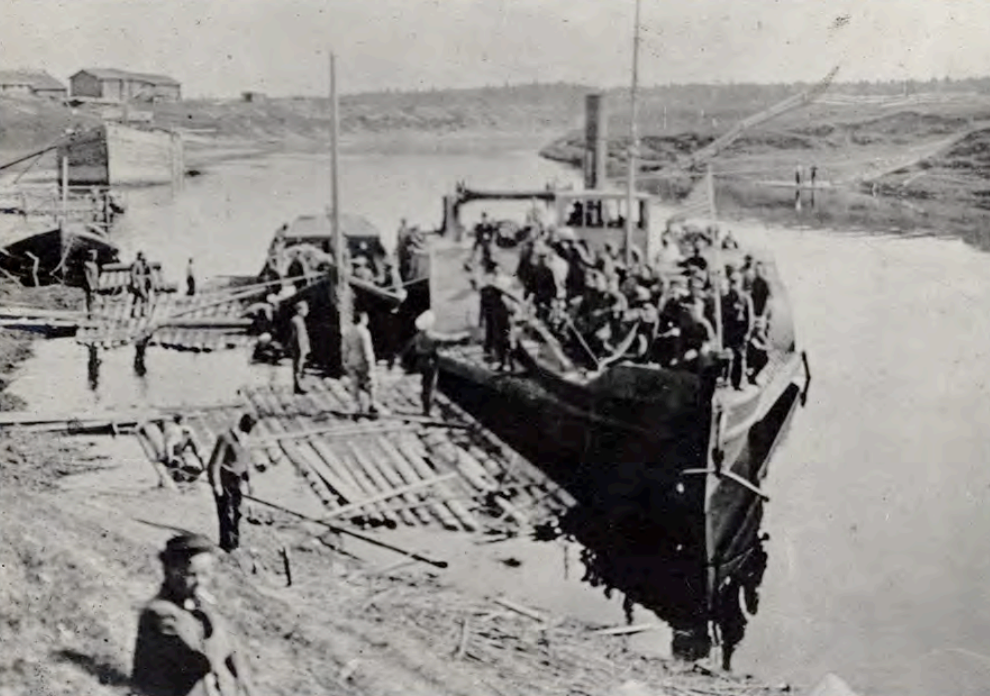
The original orders given by President Woodrow Wilson was for the American troops to protect supplies and arms that had been sent to Russia from being captured by the Red Army and also to protect civilians from any advancing armies. However, while in Russia, the American troops were under the command of the British Army, which had very different goals. They had been actively engaging the Red Army with the assistance of White Russian, French, Polish, and Canadian troops. The goals of the conflict had changed. The British wanted to connect with Czech troops that had been fighting in Russia during the European conflict and were trying to make their way to the Pacific so that they could sail home. There was also an American/British expedition in Eastern Russian making its way west along the Trans-Siberian railroad. The final goal was to bring all these forces together and attack Moscow, ending the Bolsheviks power over the country. In order to do this, there were five fronts created in Northern Russia. The first three started along the Dvina River, which ended at Archangel after crossing hundreds of miles across the interior. At one point, this split into three fronts: one along the Dvina, another along the Emtsa, and the last along the Vaga River. The fourth front was along the Onega River, which was further west of Archangel and the fifth was along the Vologda-Archangel Railroad which connected Archangel to Moscow. For the troops assigned to the Dvina Front, this meant traveling up river in barges to their destinations. These often were coal barges, which did not have any quarters. Instead, the soldiers were loaded into the unused coal compartments, which had very little ventilation or facilities. The conditions were horrific, even for men who had just made the arduous journey from England. It was during this trip that the first soldier from the U.P. would die in this conflict. His name was Henry Gariepy of Sault Ste. Marie, a First Sergeant in Co. B of the 339th infantry. He had contracted the flu on the “Nagoya” and succumbed to the illness in the dark and dingy hold of a coal scow. |
|
The Railroad Front
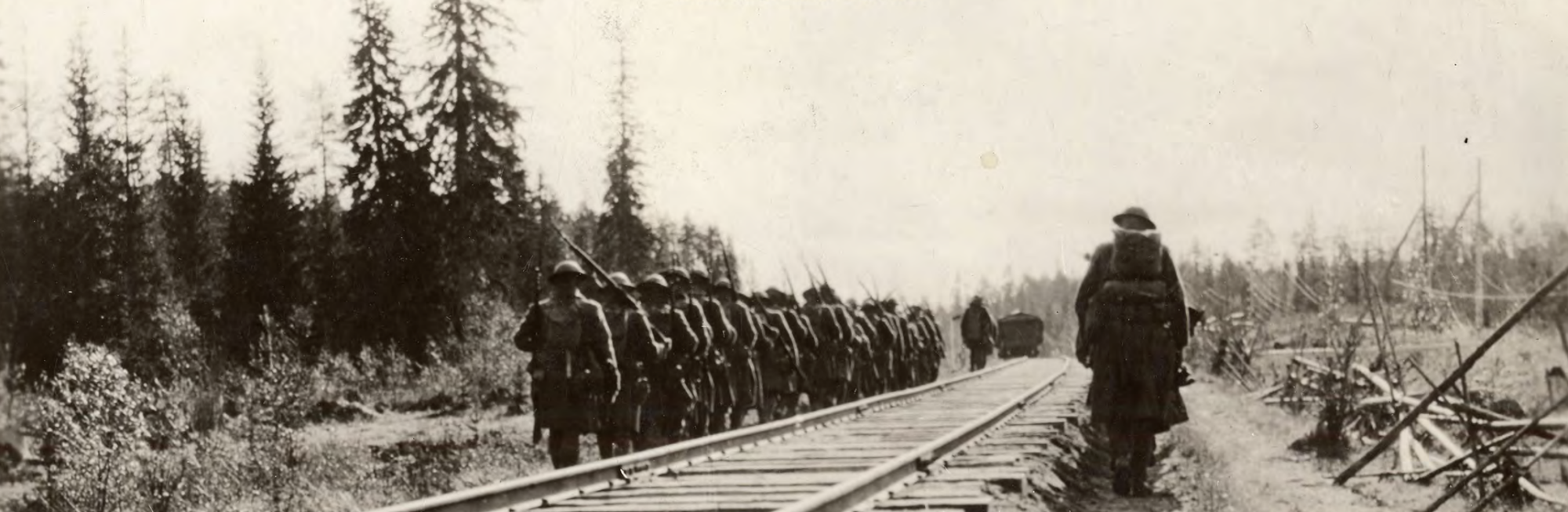
On September 6, 1918 (only one day after debarking their ship in Archangel) members of Co.’s I, L, and M of the 339th Infantry arrived in the village Oberzerskaya. This was a main crossroads along the Vologda-Archangel rail line and would become a base for the 3rd Battalion of the 339th. Over the next several months, Co. M would be engaged in a back and forth series of skirmishes, ambushes and artillery bombardments with the Red Army, with neither side making major advances or retreat.
As soon as Co. M detrained, they began marching down the rail line to meet with French troops at Verst 466 (a verst is a Russian distance measurement equaling about .66 of a mile). Over the next several weeks, the ally troops tried to advance against the Bolos, who would then push them back and then be pushed back, time and time again.
On September 29, a platoon from Co. M went deep into the woods in an attempt to outflank Red Army positions on the rail line. However, the platoon got lost in a deep boggy swamp and were forced to find their way back to the rail line. The platoon’s officer had two corporals from the Upper Peninsula, Matt Grahek from Calumet and Frank Getzloff of Harris, lead the way through the woods back to the rail line. When they reached it, they were far from their intended position to attack the Reds. However, they joined up with the French to launch an attack, which was somewhat successful. Both Grahek and Getzloff would distinguish themselves in the attack. Grahek received the Distinguished Service Cross (see additional panel) and Getzloff was awarded the Croix de Guerre from the French army.
Another Upper Peninsula soldier in Co. M, Paul Smaglich from Stephenson, was not so lucky that day. During the assault he was badly wounded in the arm at Verst 458. He was diagnosed with “shell shock” after the incident.
  |
|
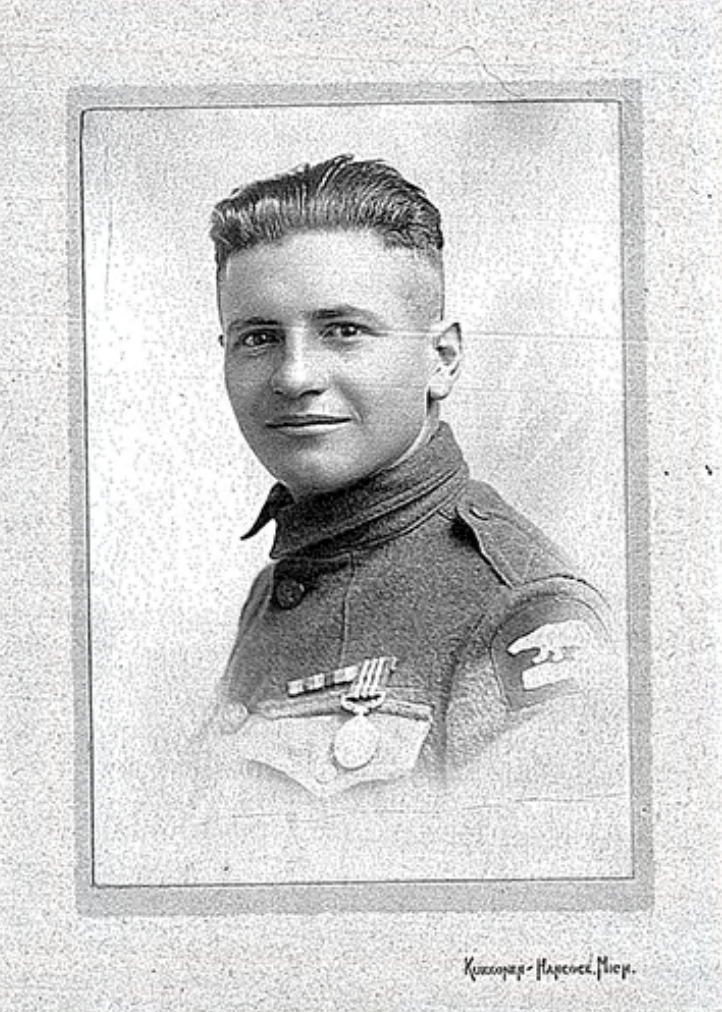
Corporal Albert Gitzen
Houghton
Albert Gitzen grew up in a mining family in Houghton, Michigan. At the time he registered for the draft he was 23 years old and a book keeper for the Lake Superior Products Co.
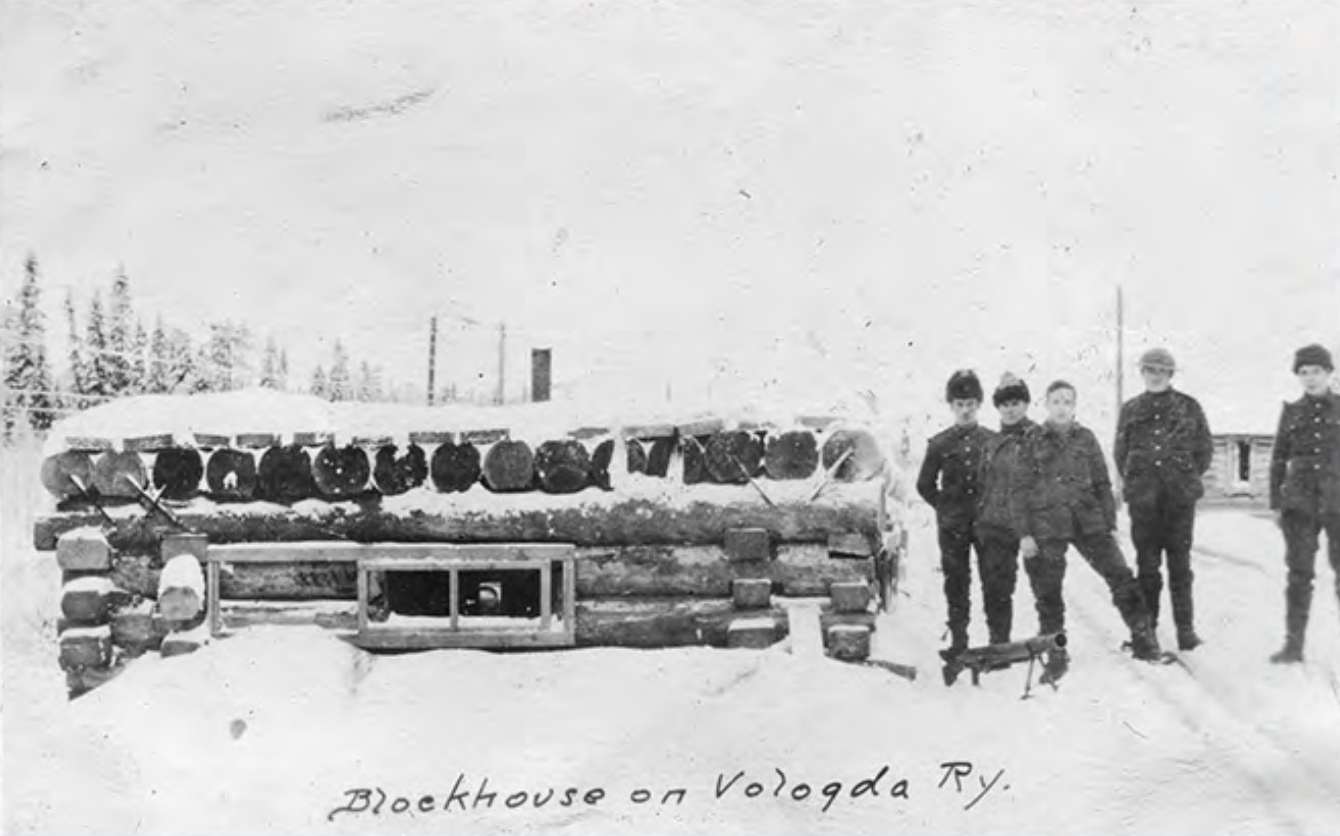
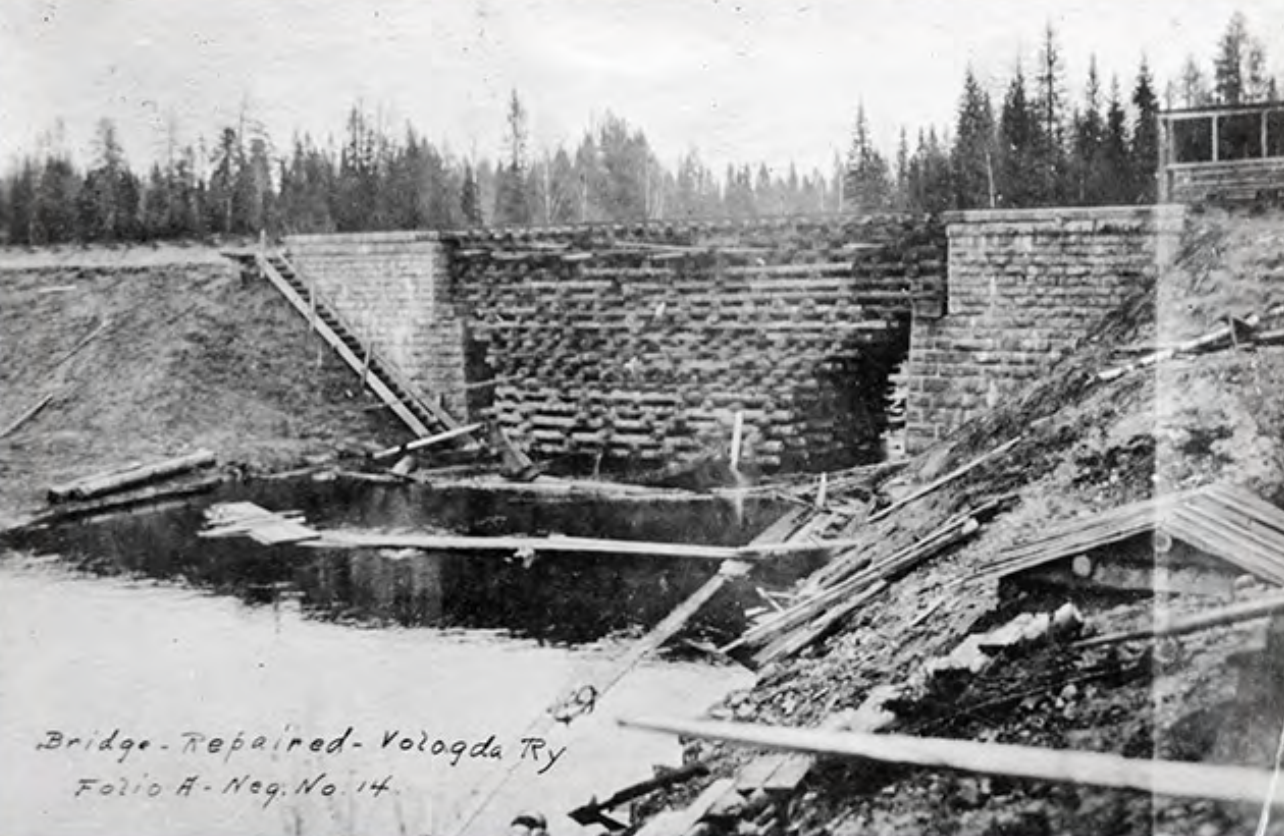
After enlistment, he was sent to Camp Custer and placed into Co. A of the 310th Engineers. This was one of several companies that accompanied the 339th Infantry to Russia. The job of the 310th was to build shelters and blockhouses for soldiers, fortifications, repair roads and bridges and any general building that needed to be done. Due to his role in the 310th he travelled to many different parts of the conflict, as attested to by the several passes below.
After the war, Gitzen returned to Houghton and started his own business selling candy out of a truck. This was the beginning of the Gitzen Wholesale Co., which specialized in supplying snack foods, office and paper products and tobacco to local businesses. The company still exists today and is owned by his grandson, Robert Wuthrich.
Battle for Bolshie-Ozerka
Between the Volgogda Railroad and the Onega River fronts was the small village of Bolshie-Ozerka. This was a critical place along the road between Murmansk and the railroad crossing at Obozerskaya. By late March 1919, the Bolsheviks had been pushing forward along all fronts and it was trying to move further against the allies along the railroad. On March 17, the Bolsheviks attacked and destroyed a small French garrison in the village, which led to a counter attack by Co. H of the 339th and the British Yorkshire troops on March 23. However, the going was difficult in the swamps, which froze during the night and thawed during the day. In addition, there were far more Bolshevik troops than were originally believed and they could not advance against the machine gun fire.
On the east side of the village, the Americans built blockhouses and artillery came to support Co.’s H & M. They bombarded Bolshie-Ozerka, destroying the Bolshevik forces in the village. This helped the Americans to fortify their defenses for the eventual Red Army counter attack. This attack came on April 1, with the Bolsheviks trying to overwhelm the ally placements with sure numbers. However, they were mowed down by the American machine guns and artillery. Regardless, the attack continued for five days, with the Red Army continuing to send troops against the Allies in the east and west of the village. Finally, on April 5, the Bolsheviks retreated, leaving behind nearly 2,000 dead soldiers and losing many troops to desertion and surrender.
Because the warming weather made marching through the forest more difficult, it made it nearly impossible for the Red Army or the Allies to mount any new offensives. Besides the occasional skirmish and artillery exchange, the battle for Bolshie-Ozerka would be the last battle for the American troops in North Russia. Soon all of the American forces would be withdrawn from the front and sent to Archangel to begin their journey back to the U.S.
Matthew Grahek
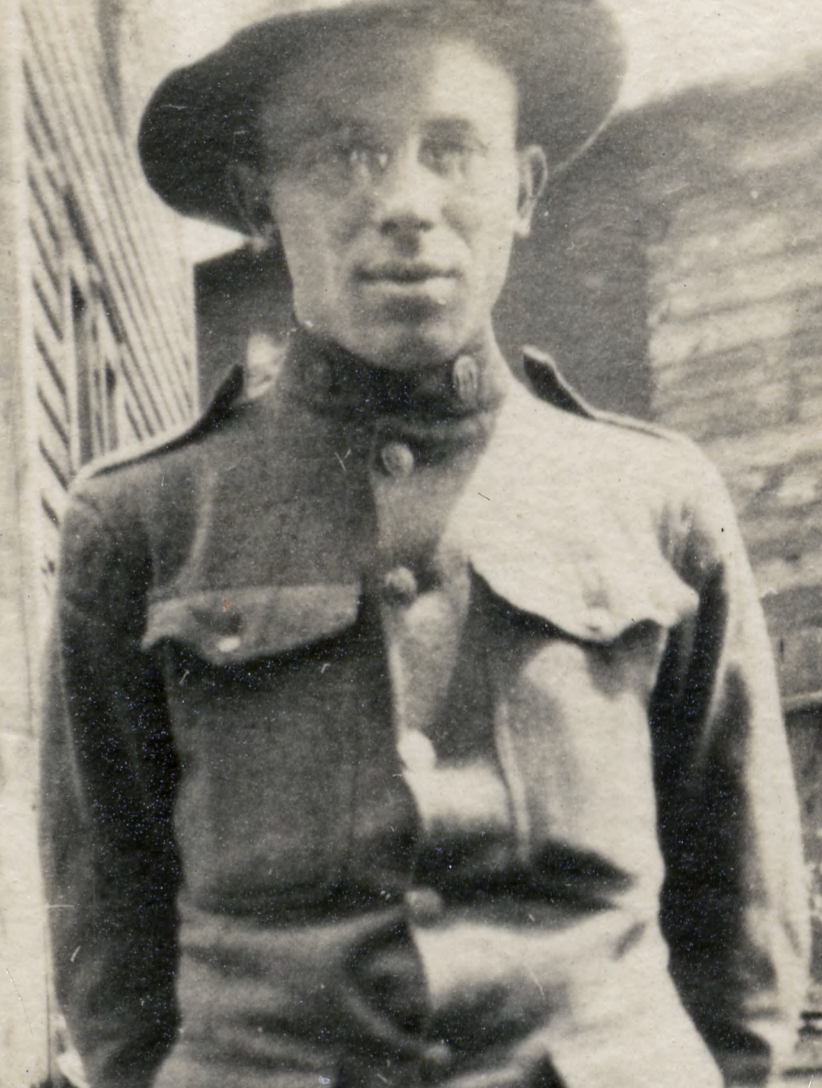
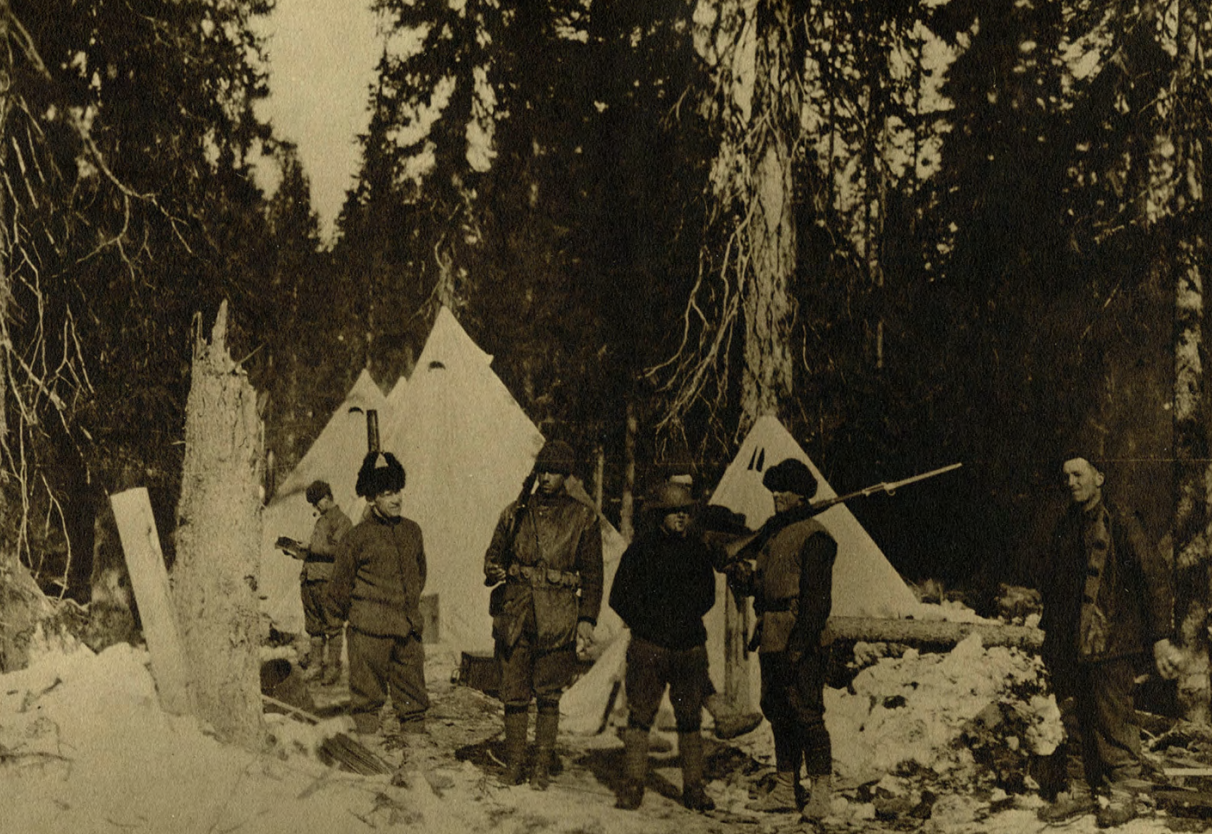
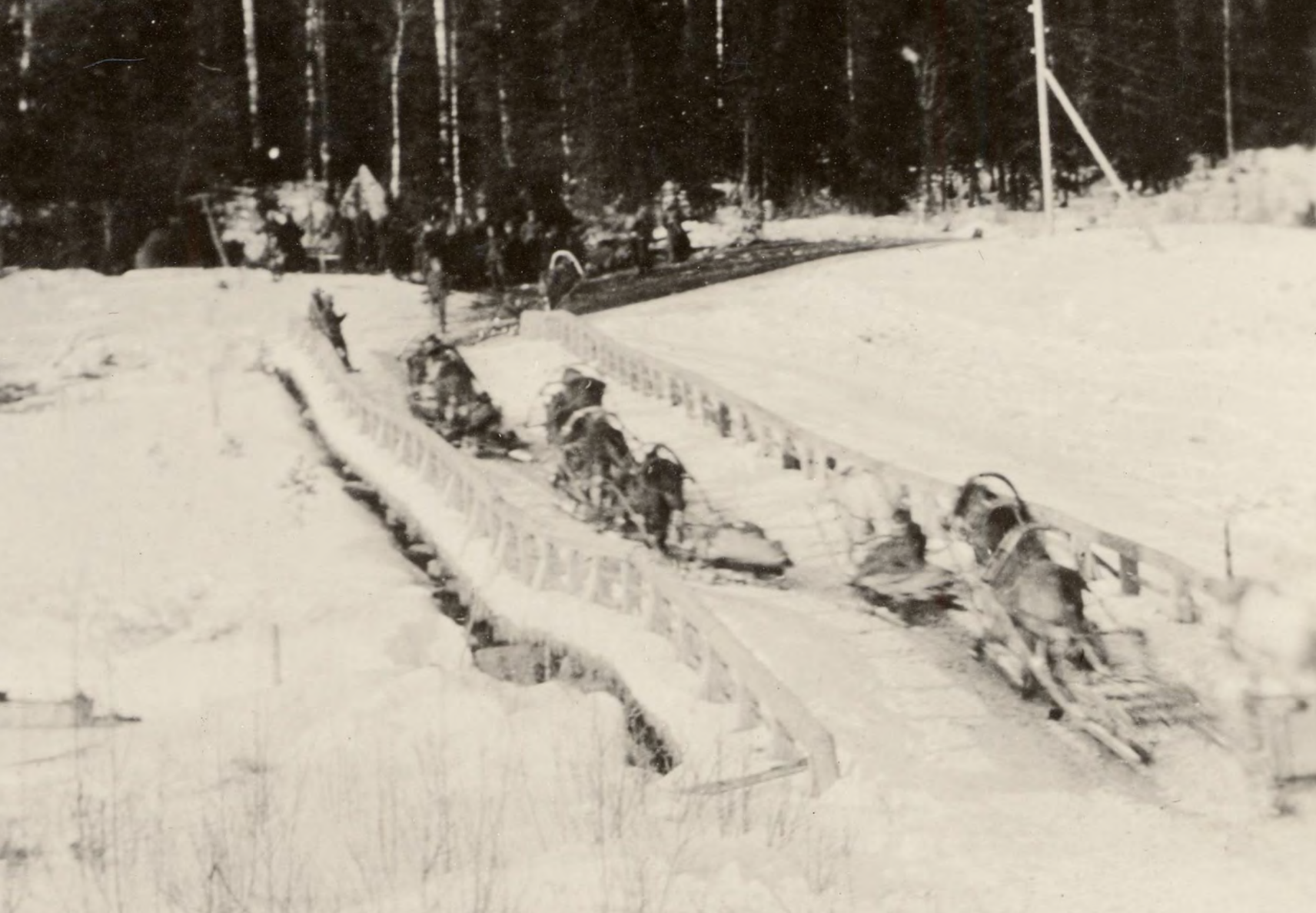
Calumet native Matthew Grahek was the most decorated soldier in the Northern Russian theatre. A sergeant, Company M, 339th Infantry, Grahek was awarded the Distinguished Service Cross twice for valor during his time in Russia. His first came for extraordinary heroism in action near Obozerskaya, Russia, September 29th, 1918. Sgt. Grahek voluntarily went forward about 150 yards in advance of our line, exposed to heavy machine-gun and artillery fire, and rescued a wounded comrade. Again on April 1, 1919, near Bolshe-Ozerka, Russia, he advanced alone with a Lewis gun against enemy snipers concealed in a ditch and routed them. In addition to his two American medals, he was awarded the British Distinguished Conduct Medal, France’s Croix de Guerre and the Russian St. George's Cross (fourth class). Text by Mike Grobbel, Polar Bear Memorial Association Website.
Bottom right: Grahek next to a display about his service in Russia. The display is at the Michigan's Own Military and Space Museum in Frankenmuth, which is dedicated to the contributions of Michigan-citizens to the U.S. military and NASA. Images are courtesy of the Michigan's Own Military and Space Museum. | 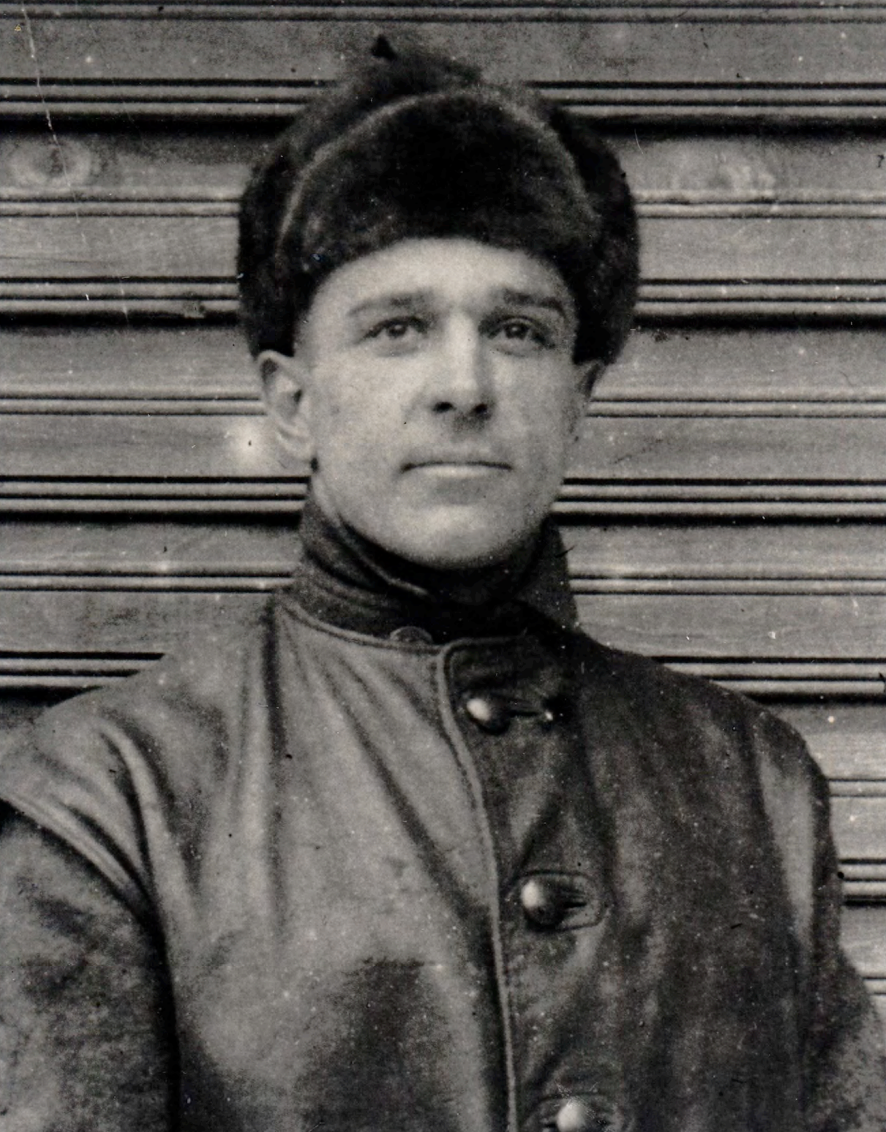 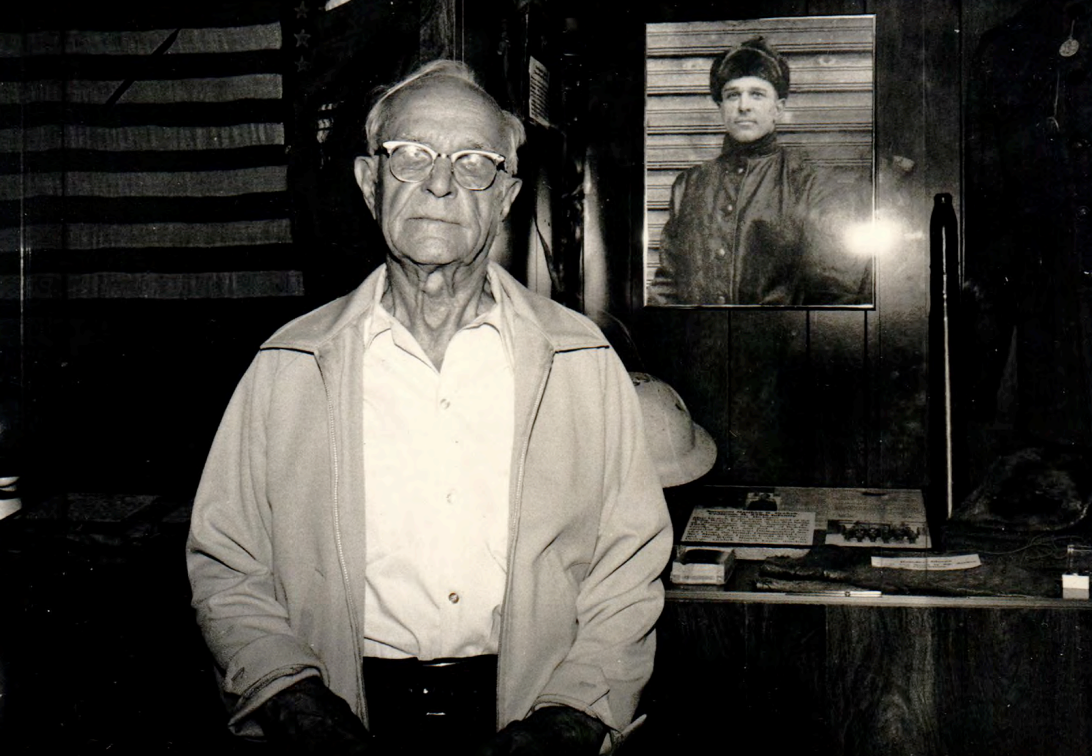
|
Company B, 339th
Each company in the 339th served with distinction in the Russian conflict. Probably none more so than Co. B, which was able to hold off the Bolshevik onslaught at Toulgas and keep that position for several months. However, as the months passed, and the purpose of the conilict became more confused, it was one of the companies that faced an open revolt.
Sgt. Silver Parrish, in charge of the 1st squad, penned a resolution that was signed by dozens of soldiers. Four U.P. soldiers signed the resolution: Pvt. George Keshick of Wilson, Michigan, 2nd Squad; Eino J. Kellio of Chatham, Michigan, 5th Squad; Charles Beaudette of Marquette, Michigan, 6th Squad; Jack Sintula of Eben Junction, Michigan, 6th Squad. Such threatened mutinies were common along the whole front. but none ever came to a court martial offense and the soldiers continued to serve until they returned to Michigan in July 1919.
Co. B had 17 soldiers from the Upper Peninsula, the second most in the conflict (Co. A had 28 soldiers from the U.Р.). Three of these soldiers would not return home to Michigan: John Angove (Painesdale), Frank Clisch (Baraga) and Henry Gariepy (Sault Ste. Marie).
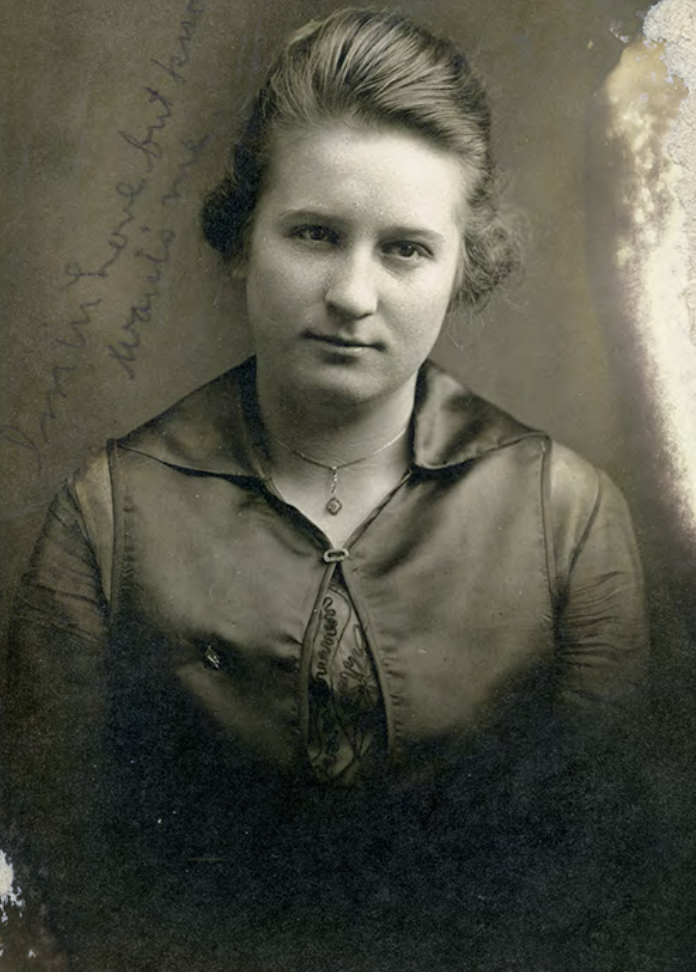
John A. Peterson was born in East Tawas, Michigan, but was raised in Grand Marais, Michigan. His parents had a farm in Grand Marais that John and other family members worked. His younger brother was called to duty for World War I in 1918. His parents convinced John to take his brother's place by guaranteeing the family farm to him when he returned from the war. At 25 years old, John was inducted into the military as Corporal John A. Peterson on May 27, 1918 in Munising, Michigan.
Peterson did not say much about serving in World War I; his younger children did not even know about his service until they were much older. Corporal Peterson served in Company B of the Polar Bear Expedition, which was sent to Russia. On the rare occasions of talking about the war, Petersonsatd that the Russian peasants were very nice because they shared food with him and his fellow soldiers. He was honorably discharged on July 18, 1919 and returned to Grand Marais as the new owner of the Peterson Farm.
Unlike African-American soldiers, Native Americans were sometimes integrated with troops from European backgrounds. Thousands of Native Americans served in WWI, and there were several from the Upper Peninsula. Private George Keshick was from the Hannahville Potawatomi Indian Reservation, Wilson, Michigan. He was drafted in May 1918 and was sent to Camp Custer on May 25th. After training for six weeks, he was sent to England with the rest of the 339th. However, he became ill with the ilu as soon as he got to Russia and was held back a month before going to the front. During his time at the front, he fought in five separate battles during his tour of duty.


Dalton Joseph Gollinger was born in Buckingham, Quebec. The descendent of German, Scottish and Irish settlers in the St. Lawrence and Ottawa River valley's, he came to the United States as a boy with his, extended family. In 1912, he began his studies at Ferris Institute (now Ferris State University) where he excelled in Track and Field and graduated with a degree in 1916. He entered the service on May 27, 1918 and at Camp Custer was assigned to Co. B of the 339th. In his diary, he spoke sparingly about the battles he took part in, probably due to the less than ideal conditions for writing. However, as his troop left the front he wrote more about his experiences. He recalls, "Today (May) 27, made a sail of an old blanket and stuck it on an old sail boat. It worked good and we had plenty of fun. Sailed to a town down the river and got plenty of potatoes...Saw first Ruski “barrasna" that was good looking and dressed up. Guess she was from Archangel." After returning in July 1919, he lived in Detroit for awhile before returning to Munising, where he became a car salesmen. He was one of the charter members of the American Legion post in Munising. He passed away on July 31, 1982 at the Grand Rapids Home for Veterans.

Images courtesy of Janice Moss of Grand Marais.
Battle of Armistice Day
On November 11, 1918, the world rejoiced when Germany signed an armistice with the Ally powers in Compiègne, France. However, the members of the American Northern Russia Expeditionary Force did not hear the news right away and even after they did, faced another six months of engagement against the Red Army in Northern Russia.
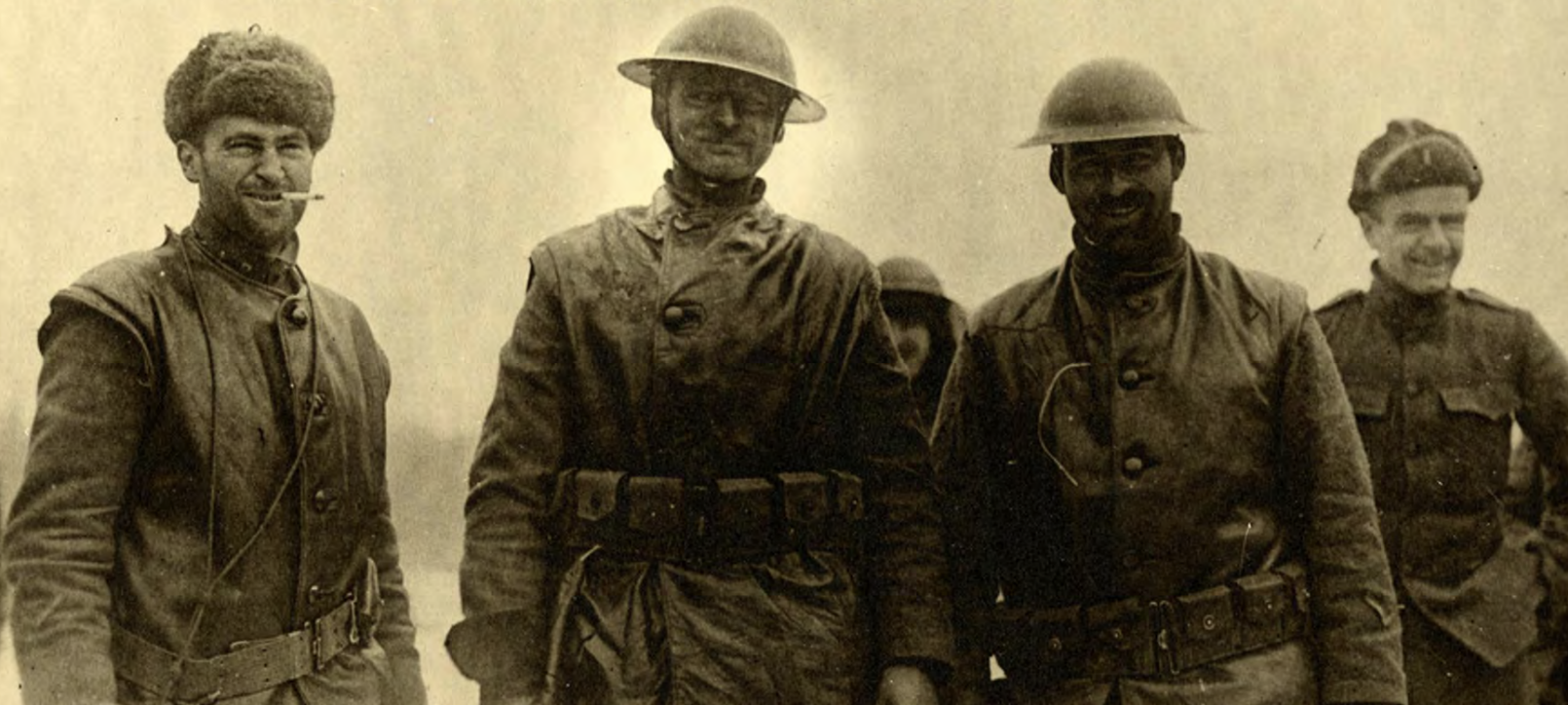
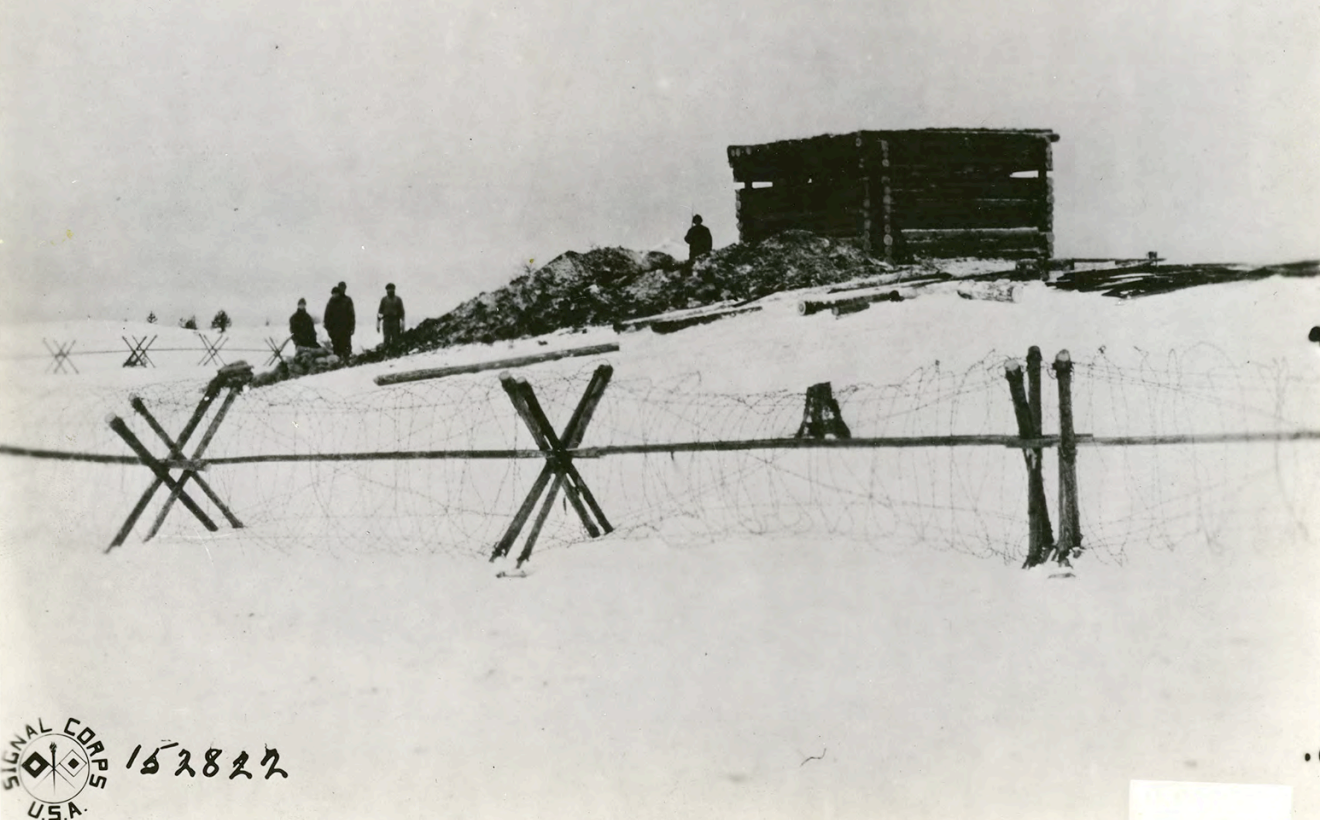
Co.'s B, C and D of the 339th Infantry Division, along with several batteries of Canadian artillery and a company of Royal Scots, were on that very day facing their greatest challenge of the war. These companies had made their way along the Dvina River for two months, engaging the Red Army in several skirmishes in Chamova, Toulgas and Seltso. However, a Red Army offensive pushed them back to the village of Toulgas, along the Dvina River. There they built blockhouses and dug trenches to protect themselves. On the morning of November 11, all hell broke loose when the Red Army suddenly attacked the southern part of the village.
However, this was just a diversion as a force of several hundred Bolsheviks attacked Toulgas from the west. Surprised by the attack, a group of eight soldiers in Co. B stopped the western attack with their Lewis machine guns, forcing the Bolos to the north side of the village. This gave time for the Canadian artillery to set up and when the enemy attacked, they killed approximately 400 Bolshevik soldiers. The attacks had been repelled, for the time being.
The next morning, gunboats on the Dvina opened up on the ally blockhouses in Toulgas. The focus of the bombardment was on the blockhouse protecting the southern bridge across the Toulgas River as the Bolos attempted to cross it over the next day. One blockhouse was hit, killing almost all of the soldiers inside. However, Private Charles Bell survived and held off the attack with his Lewis gun (he would earn the Distinguished Service Cross for his valor).
Over the next three days, the Bolos shelled Toulgas constantly from the river and the surrounding forests. Completely surrounded and running out of supplies, Lt. John Cudahy proposed that the only recourse was to mount a counter attack. Members of Co. B and D, led by Cudahy and Lt. Roy Derham (of Iron Mountain), led their men through the darkness in the early morning of November 14 on the Bolo posítions. They suddenly attacked, throwing the enemy troops into a panic, believing that a larger force of reinforcements had arrived. Within minutes, the Red Army attack was repulsed and dozens of prisoners were taken. Toulgas had held and it would be weeks before the Bolsheviks would test the Americans again along the Dvina River.
Images courtesy of the Bentley Historical Library, University of Michigan.


Conditions and Morale
From the very beginning of the conflict in Russia, American soldiers were confused as to why they were fighting this engagement against the Bolsheviks. Originally, the soldiers were told they would only guard supplies and civilians from being attacked, but they were thrown immediately into front lines. Youthful exuberance about going to war would slowly give way to questions and concerns over their situation.
One of the first frustrations was that while their immediate superior officers were Americans, the upper echelon of the conflict was managed by the British who had very different goals for the conflict and also did not hesitate to put Americans in the most dangerous situations (though their troops had been in the same position for months before the Americans arrived). In some cases, during quick retreats, the British wanted the Americans to leave their wounded and dead, which was something the American soldiers refused to do if possible.
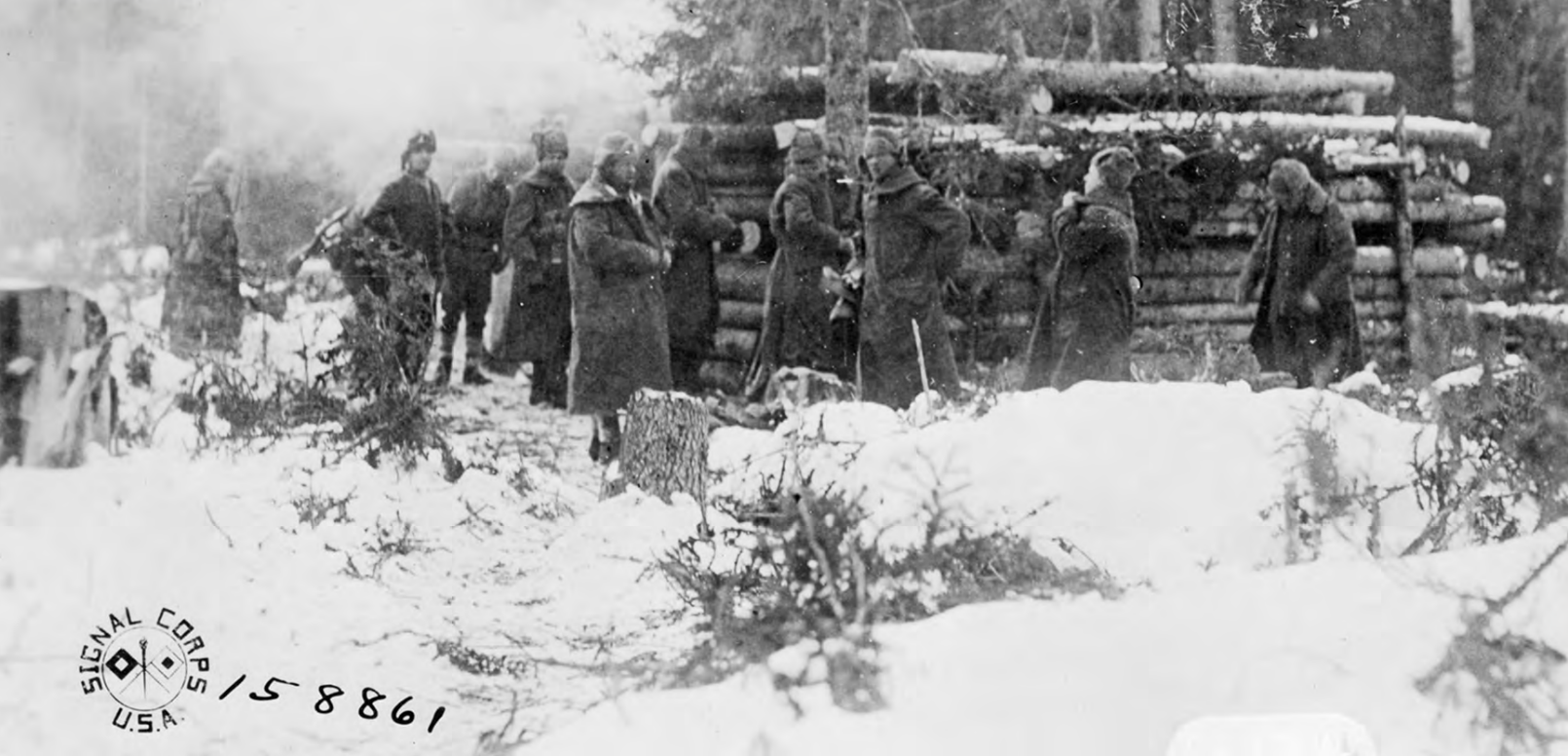
To compound this tense relationship, the Ally soldiers were all dealing with the harsh conditions of a Russian winter. The fall and spring thaws meant that it was hard for the Bolshevik (and Allies) to mount attacks but when the ground was frozen, that is when most of the attacks took place. The cold was unbearable, even for young men who were born and raised in the Upper Midwest (though they probably fared better than if the soldiers were from a warmer part of the country, the 85th Division soldiers were not chosen for this expedition for this reason. It was just a coincidence). The only benefit of the cold was that it helped to kill the lice and “cooties” that plagued the soldiers constantly.
Lastly, though the vast amount of American soldiers were not communists, many were from working class and union backgrounds and had some affinity for the Red Army soldiers they were facing. There were several threats and even attempts of Ally forces to refuse to fight, though all attempts were stopped by officers who read the soldiers the rules of war. However, none were ever court martial because they had the sympathy of their superiors.
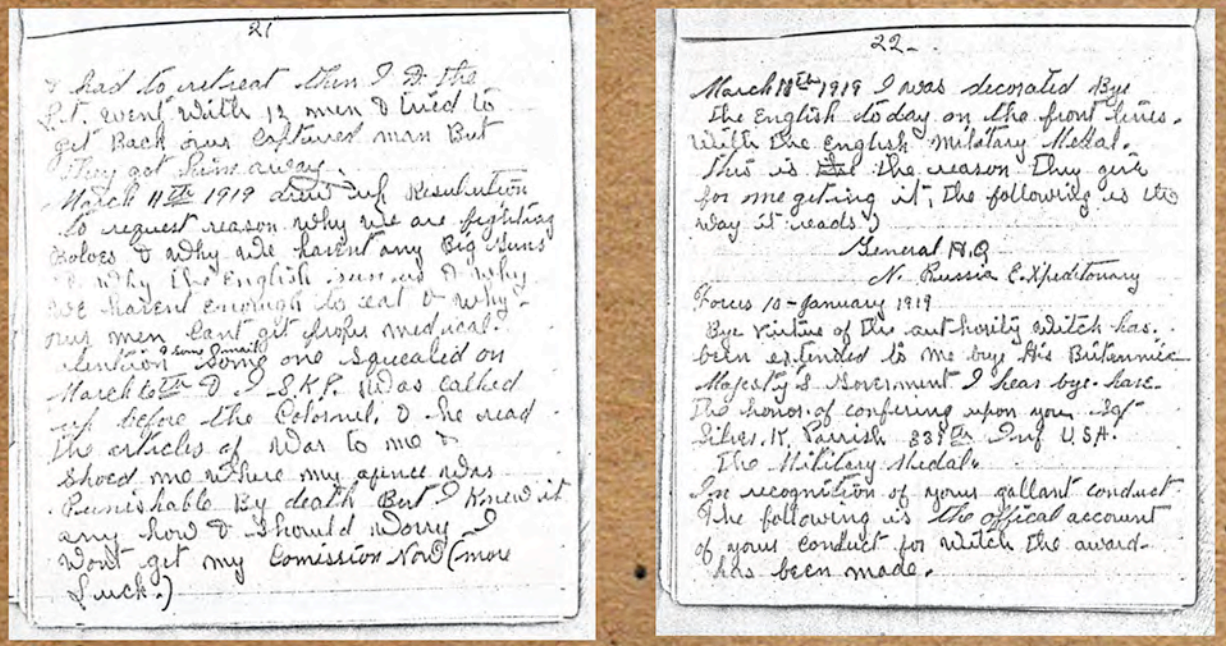


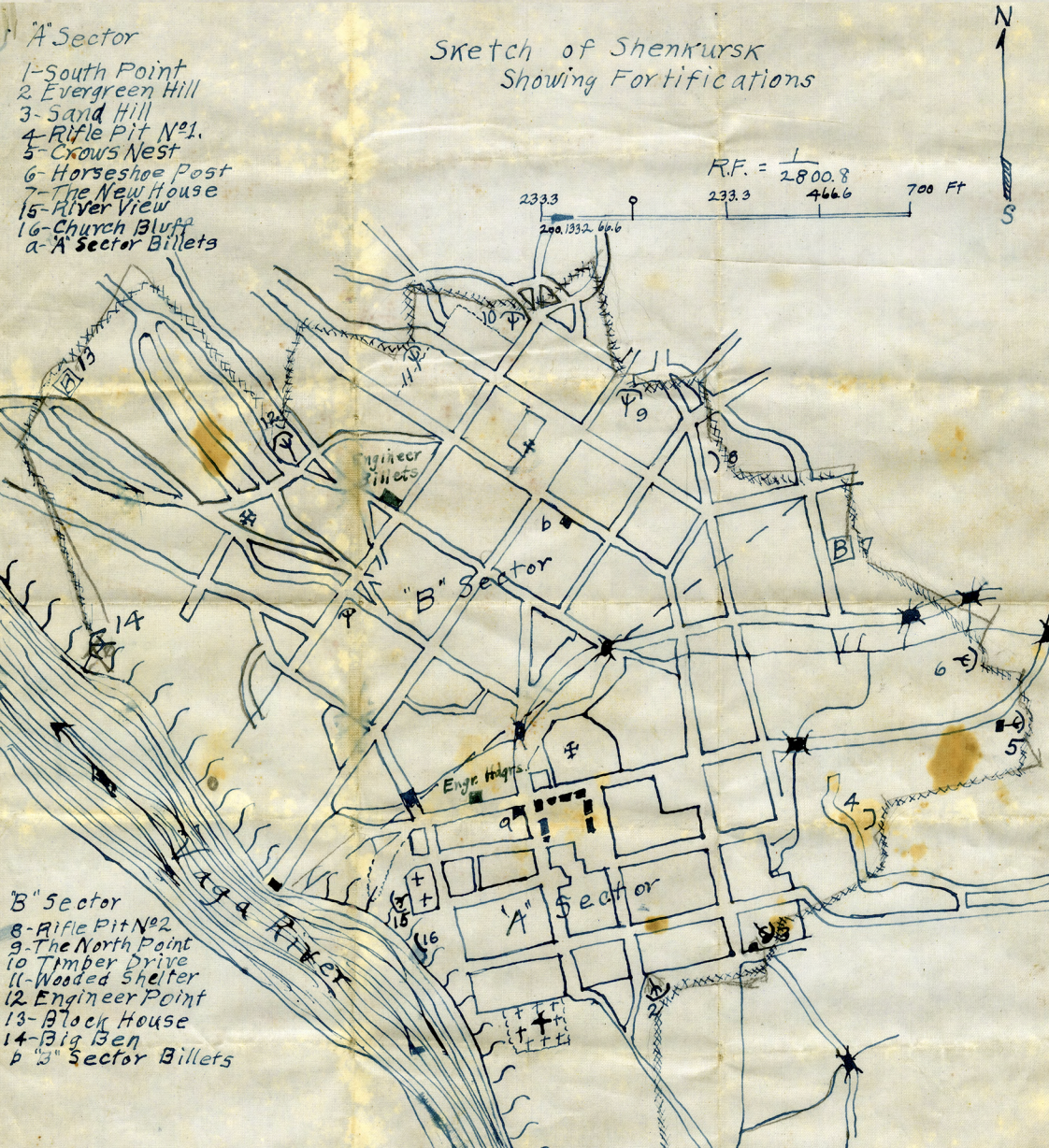
Defense of Ust Padenga and Shenkursk
Near the village of Beresnik, the Vaga River empties into the Dvina. At this point, the 339th infantry and 310th Engineers sent companies up both rivers. Along the Vaga, the ally troops made great advances against the Red Army and reached the City of Shenkursk (65 miles from Beresnik) by mid-October of 1918. The troops pushed further up river to the village of Ust Padenga in order to protect Shenkursk from mortar attacks by the Bolsheviks.
For the next few months, the front lines on the Vaga saw scattered resistance from the Bolsheviks, who seemed to be waiting for colder weather and firmer ground before attacking. There was the occasional skirmish, and on November 29, a platoon was ambushed and surrounded, leading to the death of six men, four missing in action and three captured. However, this was nothing compared with what was to come.
On January 19, 1919, the Red Army launched a massive attack with over 3,000 men on the Vaga front. It began with a dawn bombardment of Ust Padenga for over an hour. The Americans in Co. A hunkered down in the trenches, but looking out, saw hundreds of Bolsheviks advancing across the fields under cover of the bombardment. Co. A tried to fight off the advance but retreat was inevitable. By the time they reached the village of Visorka Gora, one platoon of 47 men had only seven left not wounded, and 17 missing in action. One of those missing soldiers was Pvt. John Hannon of Ingalls in Menominee County.
For the next few days, the Reds continued to bombard the forward positions, knowing that a front assault would not dislodge the ally troops. However, eventually the Americans, Canadians and White Russians retreated to Shenkursk. It would only be a matter of time before Shenkursk, which was nearly surrounded, would fall as well. Only through luck did the ally troops successfully retreat from Shenkursk, taking a defensive position several miles downriver. Shenkursk was now in the hands of the Bolsheviks.
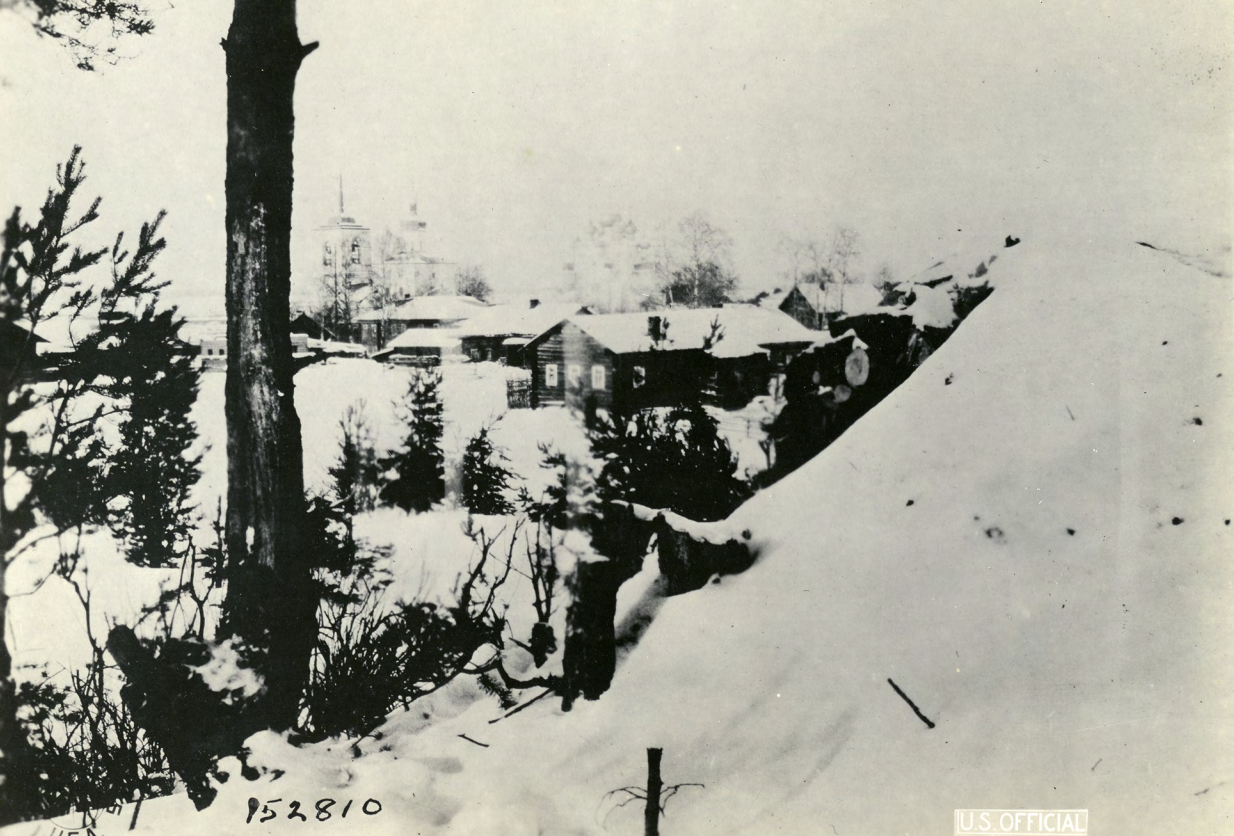
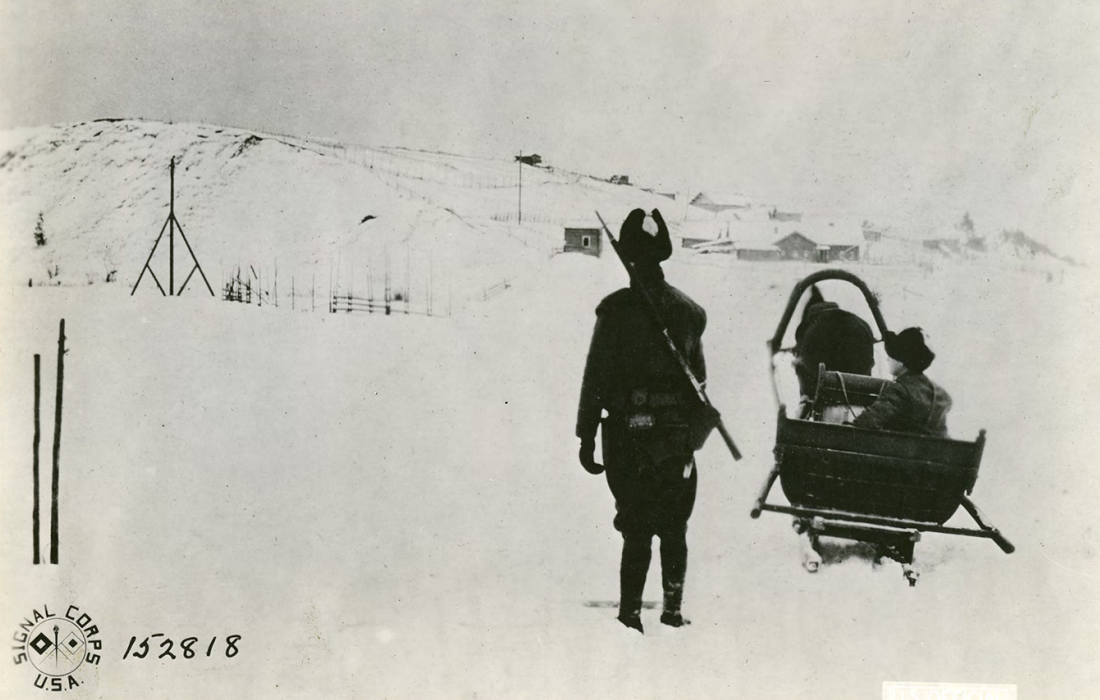
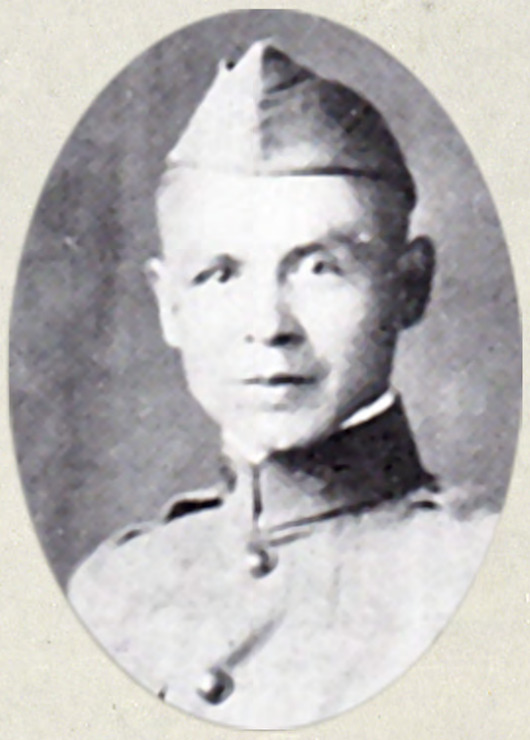
"Bring Them Home!"
With the Armistice of November 11 and the end of hostilities in Europe, the soldiers of the 85th Division in Russia, and their families, thought they would soon be heading home. However, this would not be the case because the conflict was not even a side show of the “Great War.” Instead, it was a full out intervention in a Russian Civil War.
By January, public opinion and political pressure began to be put on President Wilson to bring the “Polar Bears” home from Russia. Letters from soldiers on the front and the stories from returning wounded soldiers began to make their way into local and national newspapers. On December 8, 1918 the Detroit Free Press published an editorial by C.L. Meader, a professor of Russian at the University of Michigan, where he questioned the decision not to remove the troops from Russia and also questioned the entire campaign.
Family members began to organize as well, with a group from Detroit vowing to bring their anger to Lansing to lobby the Governor to request the return of the troops. “At a Detroit Church, on the night of February 4, at least two thousand organized Detroit’s Own Welfare Association and started a petition drive soon to result in 110,000 signatures calling for a complete troop withdrawal and the end of the U.S. intervention in Russia. The next day, the Michigan Senate passed a resolution demanding the same policy. Kalamazoo sent its own resolution. And in Benton harbor, hundreds of Republicans met in solidarity, all crying out ‘Get Out of Russia.’”
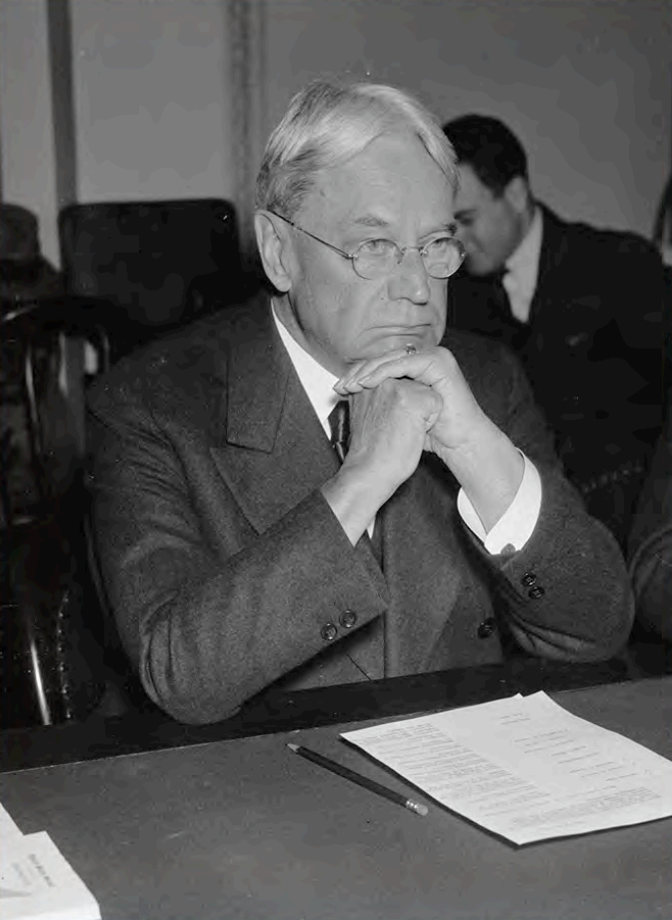
President Wilson had come to realize that troops needed to return but did not want to offend the allies at such an important time with the creation of the League of Nations and the Peace Treaty in Versailles. However, Senator Hiram Johnson of California had made it his mission to get America out of the Russian conflict and began to rally support in Washington. Pressure from all sides brought the Secretary of War, Newton Baker, to write to Congress stating that the soldiers in Russia would be withdrawn “at the earliest possible moment.”
Quotations and much of the information in this section are from:
Hagedorn, Anne. Savage Peace: Hope and Fear in America, 1919. Simon & Schuster: New York, 2007.
Coming Home
By April 1919, American troops began to leave the front and head to Archangel on transports and by foot. Initially, the troops went to staging areas at posts in villages on the way back to Archangel. Out of the enemy fire and with warmer weather, the soldiers began to relax and enjoy the warm weather. Baseball games became more common as well as fraternization with locals and the young women in these communities.
Eventually, they made it to Archangel where they lived in tents waiting to board their transports to France. Pvt. Dalton Gollinger of Munising wrote in his diary, “In the P.M., we took a bath and were sterilized for coodies. June 2nd, heard my first music since arriving in Russia, the 339th band. Some swell. The same night saw the movies for the second time here. Tom Sawyer in four reels.”
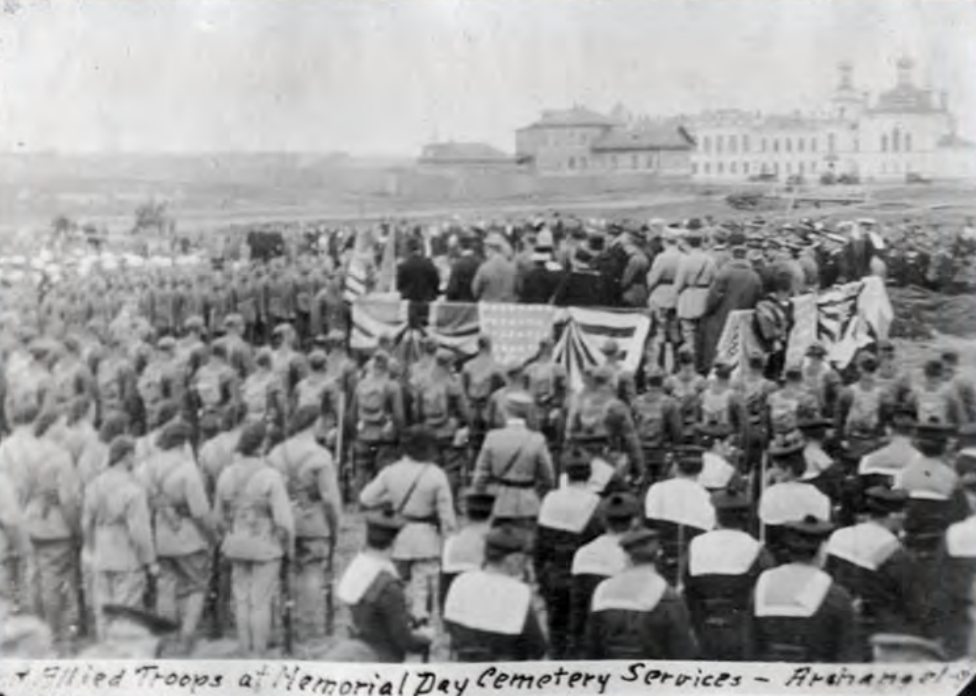
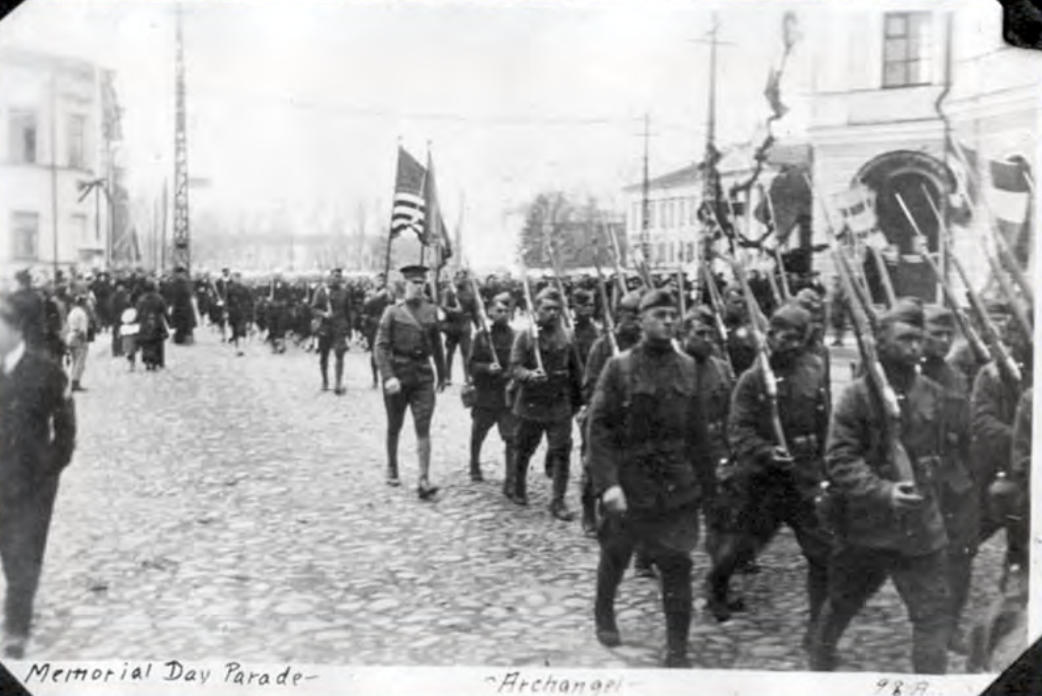
Images of the Memorial Day events in Archangel, May 1919, just before the American troops left Russia. Images courtesy of Roy Nowak and Mike Grobbel.
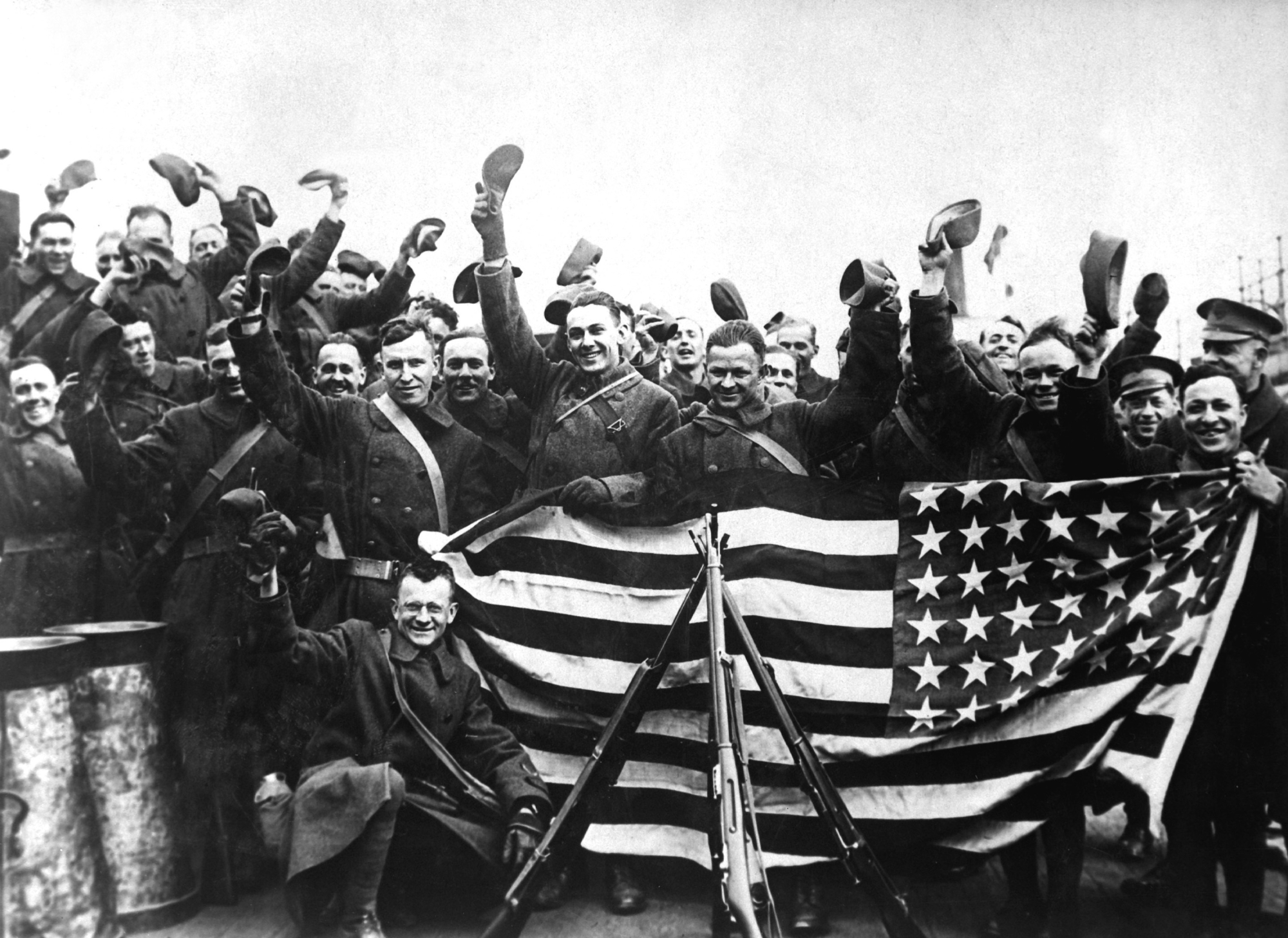
Spring brought all of the troops back to Archangel, where they prepared to leave the country on transports. Joy abounded amongst the troops going home but they were reminded daily of the cost of the conflict at services for the fallen Ally soldiers at the burial ground in Archangel. By early June, troops started loading on transports for Brest, France. In Brest, the soldiers had several days of rest and relaxation, in addition to being deloused. Finally, on July 4, the 339th loaded on to the U.S. Ulysses Grant and left for America.
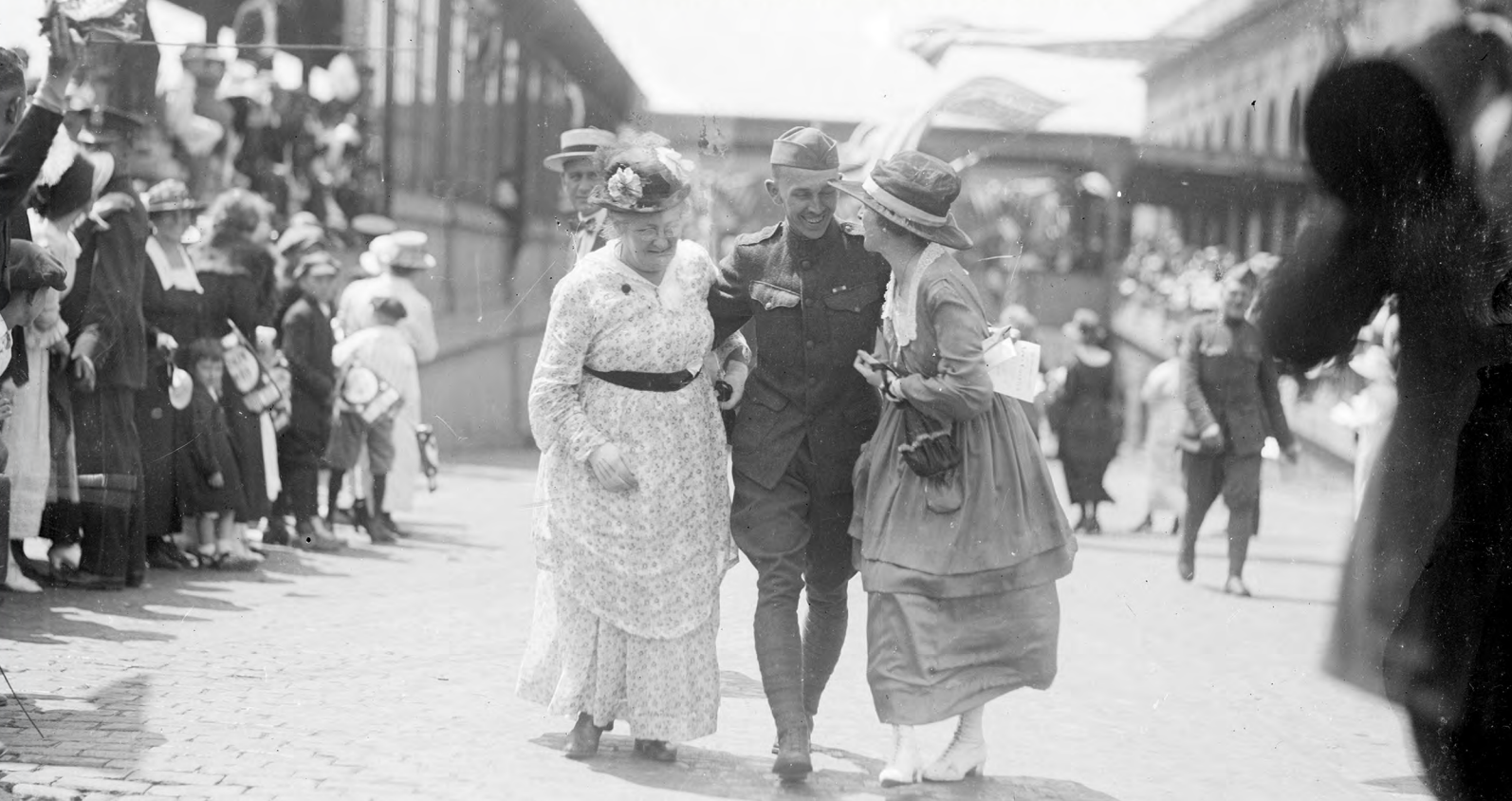
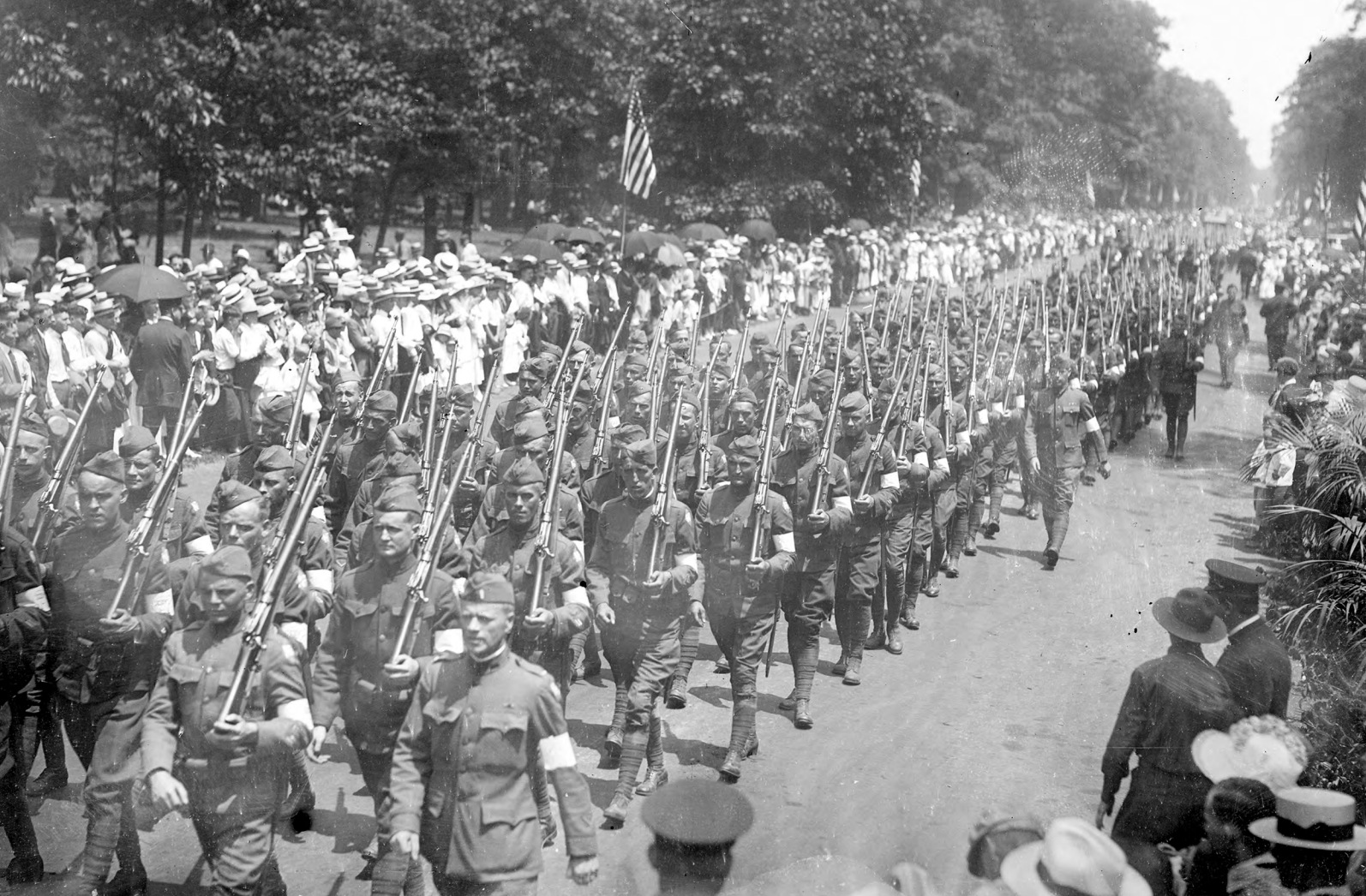
They arrived on July 11 in Boston and departed for Camp Devins, where a photograph was taken of the entire 339th Infantry Division (see photograph). After some R&R in Boston, the troops left for Detroit where they arrived on July 15, with family members of many of the soldiers waiting for them at the Michigan Central train station. The soldiers then marched to Belle Isle, where they received a heroes’ welcome from the State of Michigan. The next day they were on their way to Camp Custer, to be mustered out of the service and begin their civilian lives.
Epilogue
Due to their exploits in Northern Russia, the 339th Infantry would earn their nickname, “The Polar Bears.” When they returned to the U.S., the members given the official Northern Russia Expeditionary Force, which featured a Polar Bear. It became a symbol of pride for the soldiers who fought in Russia and soon they would form the Polar Bear Association.
However, where most of the men in the 339th returned to the U.S., there were many soldiers who remains stayed in Russia. Some soldiers were buried in the Ally cemetery in Archangel. Some were buried in small villages along the five fronts. There were also several soldiers whose remains were never recovered and even some who it is believed were captured and remained P.O.W.’s long after the conflict was over.
Due to the large number of soldiers still buried or missing in Russia, a task force was created to return to Russia to reclaim their remains. In 1929, a delegation consisting of members of the 339th, went to Archangel and with the help of the local citizens, found the remains of 86 soldiers and returned them to the U.S. The remains were returned in December 1929 and there was a funeral parade for their remains through downtown Detroit. On Memorial Day, 1930, forty one bodies were buried at the Polar Bear Memorial at the White Chapel Memorial Cemetery in Troy, Michigan. Today, the Polar Bear Memorial stands at this cemetery, a reminder of the sacrifice of those brave soldiers.


U.P. Soldiers in Polar Bears
| First Name | Last Name | Rank | Hometown | Div. | Co. | Awards/Casualty |
| August | Miserex | AuTrain | Infantry, 339th, | Co. B | ||
| Hubert H | Onkka/Onka | Ontonagon | Engineer, 310th | |||
| Frank | Clisch | Private | Baraga | Infantry, 339th, | Co. B | died 3/1/1919 from wounds received in action |
| Robert G | Ranta | Private | Baraga | Infantry, 339th, | Co. E | |
| John J | Rompinen | Private, 1st Class | Baraga | Infantry, 339th, | Co. M | Croix de Guerre (Cdg), Cross of St. George (CSG) |
| John F | Tones | Bergland | ||||
| Fred H | Green | Bessemer | ||||
| Axel | Hanson | Bessemer | Engineer, 310th, | Co. A | ||
| Oscar | Hill | Bessemer | Engineer, 310th | |||
| John | Chiantaretto | Private, 1st Class | Calumet | Engineer, 310th, | Co. A | |
| John | Gasparovich | Calumet | Engineer, 310th, | Co. A | ||
| Hjalmer J | Karkela | Calumet | Infantry, 339th, | Co. A | ||
| Mathew G | Grahek | Sergeant | Calumet | Infantry, 339th, | Co. M | Distinguished Service Cross, CSG, CdG |
| Glen/Glenn C | Shook | Corporal | Marquette | Infantry, 339th, | Co. A | |
| Eino J | Kellio | Private | Chatham | Infantry, 339th, | Co. B | |
| Axel | Parkila | Chatham | Infantry, 339th, | Co. B | ||
| Richard J | Rice | Private, 1st Class | Marquette | Infantry, 339th, | Co. A | Citation Order #8 |
| Oliver | Carlstrom | Crystal Falls | Infantry, 339th, | Co. A | ||
| Alvin | Johnson | Crystal Falls | Engineer, 310th | |||
| Charles A | Joncas/Jancas | Private, 1st Class | Newberry | Infantry, 339th, | Co. M | |
| Ray | Derham | !st Lieutenant | Iron Mountain | Infantry, 339th, | Co. D | |
| Jack | Lintula | Private | Negaunee | Infantry, 339th, | Co. B | |
| John W | Hamm | Corporal | Escanaba | Transportation Corp 167th | ||
| Elton F | Holmes | Escanaba | Engineer, 310th, | Co. A | ||
| Elmer V | Nelson | Private, 1st Class | Escanaba | Infantry, 339th, | Co. E | |
| George W | Semer | Escanaba | Infantry, 339th, | Co. B | ||
| Joseph | Lucier | Private | Gladstone | Infantry, 339th, | Co. M | |
| Gordon J | Hosking | Private, 1st Class | Hancock | Infantry, 339th, | Co. E | |
| John S | Manderfield | Corporal | Hancock | Engineer, 310th, | Co. A | Military Medal |
| Phillip | Martin | Private, 1st Class | Hancock | Infantry, 339th, | Co. H | |
| Emanuelle | Simanare | Private | Hancock | Infantry, 339th, | Co. E | |
| Ransom | Tourville | Hancock | Infantry, 339th, | Co. B | ||
| Berger | Bergstrom | Private, 1st Class | Hancock | |||
| Peter | Keschick | Private | Harris | Infantry, 339th, | Co. A | Wounded 10/8/1918 and 3/9/1919 |
| Joseph Albert | Gitzen | Houghton | Engineer, 310th, | Co. A | ||
| Russel J | Messner | Hubbell | Infantry, 339th, | Co. A | ||
| Charles O | Anderson | Private | Iron Mountain | Infantry, 339th, | Co. A | |
| Dante | Constantin | Iron Mountain | Engineer, 310th, | Co. C | ||
| John | Ealmini | Private | Iron Mountain | Infantry, 339th, | Co. A | |
| Caesar | Orella | Iron Mountain | Infantry, 339th, | Co. E | ||
| Anton | Regoni | Iron Mountain | Infantry, 339th, | Co. E | ||
| John | Przybylski | Private | Iron River | Infantry, 339th, | Co. M | |
| Anton P | Leahy | Ironwood | Engineer, 310th, | Co. A | ||
| Charles | Lotzer | Private | Ironwood | Infantry, 339th, | Co. A | |
| Daniel W | McManman | Ironwood | Infantry, 339th, | Co. A | ||
| Emil | Van Lockeren | Ironwood | ||||
| John | Kellow | Ishpeming | Infantry, 339th, | Co. A | ||
| Clyde H | Mitchell | Ishpeming | Engineer, 310th, | Co. A | ||
| Malcolm E | Nelson | Ishpeming | Infantry, 339th, | Co. C | ||
| Thomas | Trumberth/tremberth | Private | Kearsarge | Infantry, 339th, | Co. D | |
| Leonard | Wilson | L'Anse | Infantry, 339th, | Co. C | ||
| Alfred M | Makela | Laurium | Engineer, 310th, | Co. A | ||
| John W | O'Callaghan | 1st Lieutenant | Lena/Norway | Infantry, Machine Gun Co. | ||
| Eugene A | Merwin | Corporal | Manistique | Infantry, 339th, | Co. M | |
| Herbert T | Morrison | Manistique | Infantry, 339th, | Co. A | ||
| Harvey | Olmstead | Manistique | Infantry, 339th, | Co. B | ||
| William | Coppens | Marquette | Engineer, 310th | |||
| William J | Haley | Marquette | Infantry, 339th, | Co. L | ||
| Boyne | Rose | Private, 1st Class | Marquette | Infantry, 339th, | Co. A | |
| Fred J | Burke | Marquette | Engineer, 310th, | Co. C | ||
| Harold A | Libby/Libbey | Marquette/Princeton | Infantry, 339th, | Co. C | ||
| Charles | Beaudette | Private | Marquette/Wetmore | Infantry, 339th, | Co. B | |
| Joe | Bauer | Private | Menominee | Infantry, 339th, | Co. H | |
| E.E. | Beyer | Menominee | Infantry, 339th, | Co. H | ||
| Joseph | Erdman | Menominee | Engineer, 310th | |||
| John T | Hannon | Private, 1st Class | Menominee | Infantry, 339th, | Co. A | Missing in action 1/19/1919 Ust Padenga |
| Frank J | Holub | Menominee | Infantry, 339th, | Co. a | ||
| Albert | Kmeciak/Kmecink | Private | Menominee | Infantry, 339th, | Co. M | |
| Otto A | Rassmussen | Private | Menominee | Infantry, 339th, | Co. E | |
| Charles P | Beyerle | Private | Munising | Infantry, 339th, | Co. E | |
| Lewis P | Cannon | Munising | Engineer, 310th | |||
| Dalton J | Gollinger | Munising | Infantry, 339th, | Co. B | ||
| Ernest | LaBounty | Munising | Infantry, 339th, | Co. B | ||
| James | O'Boyle | Munising | Infantry, 339th, | Co. B | ||
| Miles E | Simmons | 2nd Lieutenant | Munising | Infantry, Machine Gun Co. | ||
| Elliott | Stow | Munising | Infantry, 339th, | Co. B | ||
| Edward C | White | Private | Munising | Infantry, 339th, | Co. C | Unfit for further duty, sent to eng. 5/15/1919 |
| Robert R | Carbines | Negaunee | Infantry, 339th, | Co. A | ||
| Robert | McInnis | Newberry | Infantry, 339th, | Co. A | ||
| James H | Nichols | North Escanaba | Infantry, 339th, | Co. C | ||
| J. M. | Beach | Norway | Field Hospital Co., 337th | |||
| Frank H | Johnson | Norway | Engineer, 310th, | Co. A | ||
| Henry F | Stanchina | Norway | Infantry, 339th, | Co. F | ||
| John P | Angove | Private | Painesdale | Infantry, 339th, | Co. B | KIA 11/13/1918, body returned in 1919 |
| William | Randerson | Pickford | Infantry, 339th, | Co. C | ||
| C.A. | Beijer/Beijar | Ramsey | Engineer, 310th, | Co. A | ||
| R.C. | Bennett | Rapid River | Infantry, 339th, | Co. A | ||
| Agabus | Mikkola | Rock | Infantry, 339th, | Co. F | ||
| Edward | Erickson | Rockland | Infantry, 339th, | Co. B | ||
| Richard W | Ballensinger | Captain | Sault Ste Marie | Infantry, 339th, | Co. H | |
| Charles | Doe | Private | Sault Ste Marie | Engineer, 310th, | Co. A | Unfit for further duty, sent to eng. 5/15/1919 |
| Henry | Gariepy | !st Sergeant | Sault Ste Marie | Infantry, 339th, | Co. B | Died of disease 9/10/1918 |
| Max | Radtke | Sault Ste Marie | Engineer, 310th | |||
| T. G. | Sindles | Sault Ste Marie | Infantry, 339th, | Co. D | ||
| Alexander | Jollineau | Private | Sault Ste Marie/Strongs | Infantry, 339th, | Co. H | |
| Michael | Mulcrone | St. Ignace | Infantry, 339th, | Co. G | ||
| George H | Ross | Private, 1st Class | St. Ignace | Infantry, 339th, | Co. E | |
| Max A | Smith | Private | Stambaugh | Infantry, 339th, | Co. M | Muscular rheumatism, evacuated to England 12/1/1918 |
| John | Boreson | Private | Stephenson | Infantry, 339th, | Co. H | KIA 10/1/1918 |
| Paul | Smaglick/Smaglich | Private | Stephenson | Infantry, 339th, | Co. M | Wounded & shell shocked, 9/29/1918 Verst 458 |
| Andrew | Bolo | Wakefield | ||||
| William E | Erickson | White Pine | Engineer, 310th, | Co. A | ||
| George | Keschick | Private | Wilson | Infantry, 339th, | Co. B |