
How NMU Nursing Students are Partnering to Address the Nationwide Blood Shortage
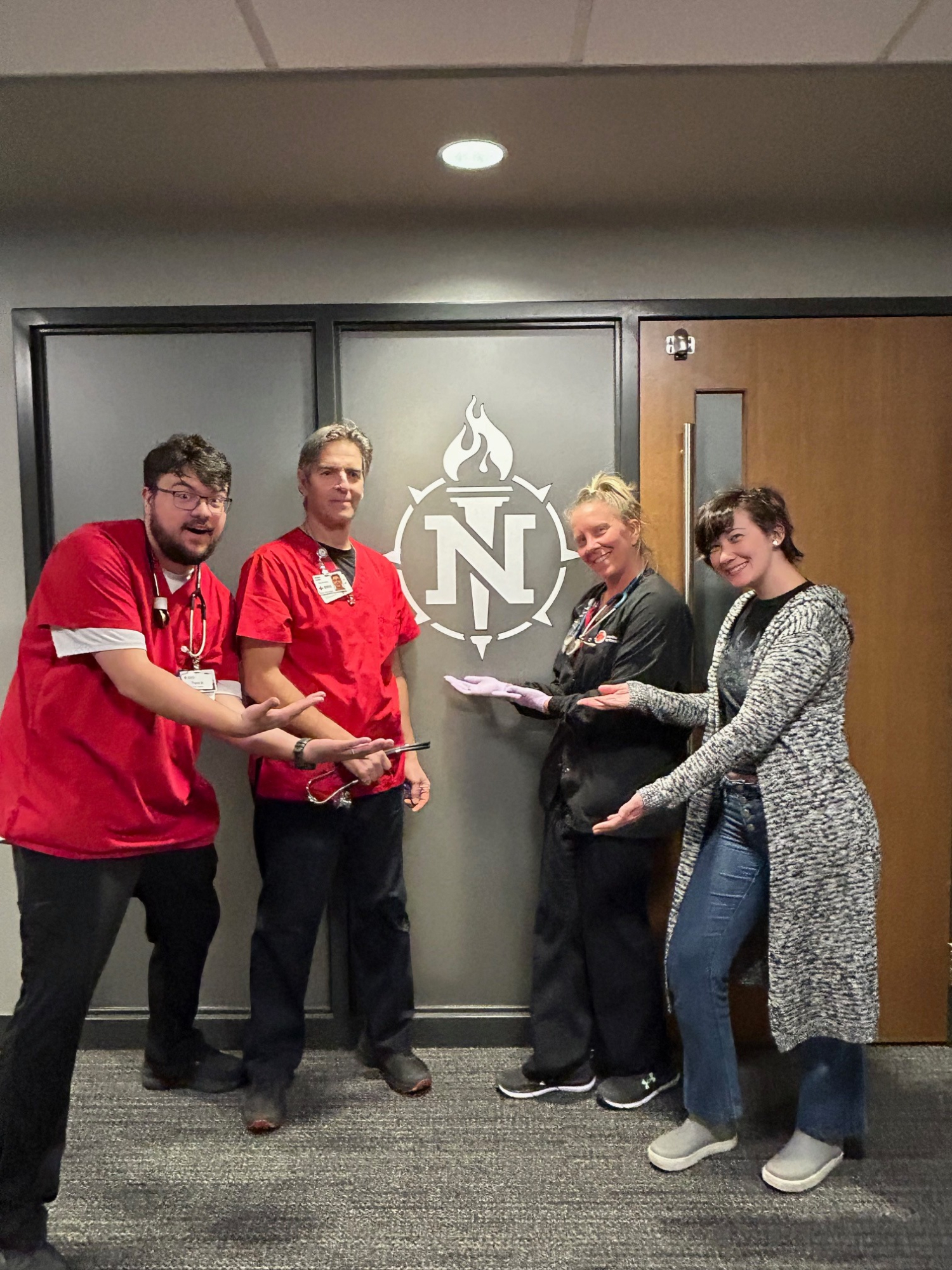
For recent Northern Michigan University nursing graduate Phoebe Martin (‘25 BS) and her classmates in the Student Nursing Association (SNA), working to combat the nationwide blood shortage was a significant part of their university experience.
Phoebe Martin’s journey into nursing, and eventually her role as president of the Student Nursing Association, began long before she set foot on campus. Raised with mixed Asian and American heritage, Phoebe developed a love for cultures and stories, which sparked her passion for healthcare, particularly in advocating for those experiencing cultural misunderstandings and health disparities. Her experiences with her mother and grandfather’s struggles within the American healthcare system ignited a drive to change the narrative for people from diverse backgrounds. This passion led her to pursue nursing as a career at NMU after spending two years at community college, where she studied Japanese and German. At Northern, she found an environment of support and community that further fueled her determination to give back and make a real difference.
As president of the Student Nursing Association, Phoebe organized several events, including hosting guest speakers, health discussions, film screenings, self-care events, and Narcan training, providing volunteer opportunities, and planning blood donation drives in partnership with the American Red Cross. This partnership is personal to Phoebe as she participated in American Red Cross blood drives in her home state of California. For her, the ease of donating blood with the Red Cross was a crucial factor—particularly the ability to schedule appointments quickly and easily through their online system, the efficiency of the donation process, and the opportunity to track the impact of her donations.
The Donation Process: What You Need to Know
For those unfamiliar with donating blood, the whole process is simple and takes under an hour from start to finish, with minimal discomfort. Before you donate, you’ll want to ensure you are drinking lots of fluids and eating a snack or meal to ensure you feel your best during and after your donation. It’s also helpful to eat iron-rich foods like red meat, fish, poultry, or dark leafy greens to support your body as it replenishes your blood supply.
Upon arrival, you’ll complete a brief health questionnaire and undergo a quick health check, including tests for hemoglobin, glucose levels, and blood pressure. You’ll also be asked your name, weight, travel history, medications, sexual partners, and any recent antibiotic use, tattoos, and/or piercings. Sometimes these tests include a finger poke; however, organizations such as the American Red Cross have recently introduced a new piece of equipment that eliminates the need for this. These health questionnaires and screenings are not only essential to ensuring that blood is safe for donation, but they can also help identify early signs of conditions like high blood pressure, anemia, or diabetes, offering donors an opportunity to catch potential health issues early.
Individuals should be aware that donating blood can have health benefits as well. Donating blood can not only reduce iron overload, which is associated with heart problems, but it also forces your body to produce new blood cells, which can enhance blood flow and lower the risk of blood clots. For individuals with high blood pressure, blood donations may slightly reduce their levels. Beyond physical benefits, donating blood can provide a sense of purpose and positively impact mood and stress levels.
It’s a win-win: not only are you helping someone in need, but you’re also supporting your own health.
If you don't know if you can donate due to age, tattoos, travel, medications, or past medical history, reach out to a blood drive agency such as the American Red Cross or the U.P. Regional Blood Center and ask. You can also make an appointment at an upcoming drive and meet with a collections professional who will be happy to answer any questions or alleviate concerns. You can also find helpful guidelines on the Red Cross webpage. As the FDA updates the guidelines, more and more people are becoming eligible to donate.
Once you’re seated, the donation process begins, which usually takes about 8-10 minutes. You’ll likely feel the first stick of the needle, but after that point, the process should be painless. You’ll donate about a pint of blood, and afterward, you’ll be encouraged to rest and enjoy a complimentary snack and drink to replenish your energy. If you download the Red Cross’s Rapid Pass app, you’ll receive updates on your blood type and see where your blood is sent within the United States. No matter where you donate, your blood can help save up to three lives.
When you attend a blood drive, you will be donating whole blood. Whole blood donation includes red blood cells, white blood cells, platelets, and plasma, which can occur every 8 weeks. The reason for this waiting period is to allow the body enough time to replenish the blood that was lost. If you want to donate more often, you may consider donating platelets, which can be done every 7 days, up to 24 times per year. Plas ma can also be donated and is used to create pharmaceuticals and medical products. This is why individuals are paid for their plasma donation. In contrast to whole blood donation, plasma donation involves collecting just one component of whole blood and returning the other three to the donor.
Donated blood plays a critical role in helping hospitals across the country. It can be used in emergencies, for surgeries, and for patients with conditions that require regular transfusions, such as cancer patients or those with blood disorders. Blood donation is an excellent example of the ripple effect, as when you donate blood, you’re not just giving blood; you're giving someone the chance to live.
Barriers & Opportunities for Improvement
In the U.P. and across the nation, a declining population of donors, many of whom are older, presents a significant challenge to addressing nationwide shortages. More specifically, trends indicate a decline in donors ages 17-24. For the first time in five years, individuals over 45 now constitute 51% of regular donors, surpassing the 17-44 age group. Specifically, the proportion of 17-24 year olds donating blood has halved over the past five years. In rural regions like the U.P., lack of easy accessibility to a mobile drive or blood donation center further exacerbates this problem. While the American Red Cross and the U.P. Regional Blood Center ensure that hospitals across the region are stocked, this decrease in donors can put the supply at risk.
To improve blood donation, it's crucial to raise awareness among younger generations and partner with schools, employers, churches, and community organizations to increase accessibility to blood drives, making it easier for individuals to donate often (up to every 8 weeks), even if they have busy schedules.
Additionally, sharing personal stories and advocating for blood donation can inspire others to get involved. Individuals are more likely to donate blood if they know someone who needed blood and what it meant to their family and friends in that time of need. Every community contains people who have received blood, so blood donation represents a tangible way to show love and help support one another. Over 12,000 units of blood per day must be collected in the United States to keep up with the demand. Blood cannot be manufactured, so individuals must continue to donate.
How You Can Help: Get Involved

Whether you’re an NMU student or a community member, there are plenty of ways you can support this important cause. If you’re interested in
donating blood through the American Red Cross, please visit their website, call 1-800-RED-CROSS to schedule an appointment, and/or download the mobile app to sign up for an appointment. Additionally, the SNA organizes blood donation drives regularly throughout the year. While they do accept walk-ins at these events, it’s typically faster, easier, and more convenient to schedule an appointment ahead of time.
For more information on the SNA, how to get involved, and to learn about upcoming blood drives, please follow them on Instagram @nmu_sna), email them, join on the Hub. or attend one of their meetings.
Making a Difference, One Donation at a Time
Donating blood is a simple yet generous act that can save a life. It’s quick, easy, and has a lasting impact. Phoebe is a powerful example of how partnering with blood donation organizations can help students, faculty, staff, and the community come together to make a tangible difference. The next time you’re considering how to give back, remember that a single blood donation can change the course of up to three individuals’ lives. With a nationwide blood shortage, every donation makes a difference, no matter where. It’s not just about giving blood—it’s about giving hope, health, and the chance to keep fighting.
Action Steps: What You Can Do Right Now to Make a Difference:
- Schedule an appointment to donate blood: Better yet, bring your friends and family with you and make it a social event.
- Host a blood drive with the American Red Cross: To learn more, reach out to Christine Luxton, Donor Recruitment Account Manager at the American Red Cross. She can be reached at christine.luxton@redcross.org or 920-510-8272. All you need to provide is a suitable space and promotion through your networks to get the word out. The Red Cross will provide trained personnel, snacks, drinks, and equipment, and you will work together to secure the time and volunteers.
- Spread the word: Share your experience giving or receiving blood and make a difference in someone’s life.
The Northern Michigan University Center for Rural Health seeks to improve the health and well-being of Upper Peninsula residents and communities by developing collaborative partnerships that enhance the access and availability of affordable, quality healthcare services. For questions or comments related to this story, contact ruralhealth@nmu.edu.