NMU is known for its well-established science programs, some of the newest additions being its course offerings in forensic science, which applies to students across different majors, such as anthropology, biochemistry, biology and criminal justice. Forensic science is any science that is applied to legal matters and is intended to be presented in court.
NMU’s Forensic Anthropology Research Laboratory (FARL) and the Forensic Research Outdoor Station (FROST) facilitate the advancement of research and education in forensic anthropology and taphonomy (the study of all of the processes that affect organisms after death) and related disciplines.
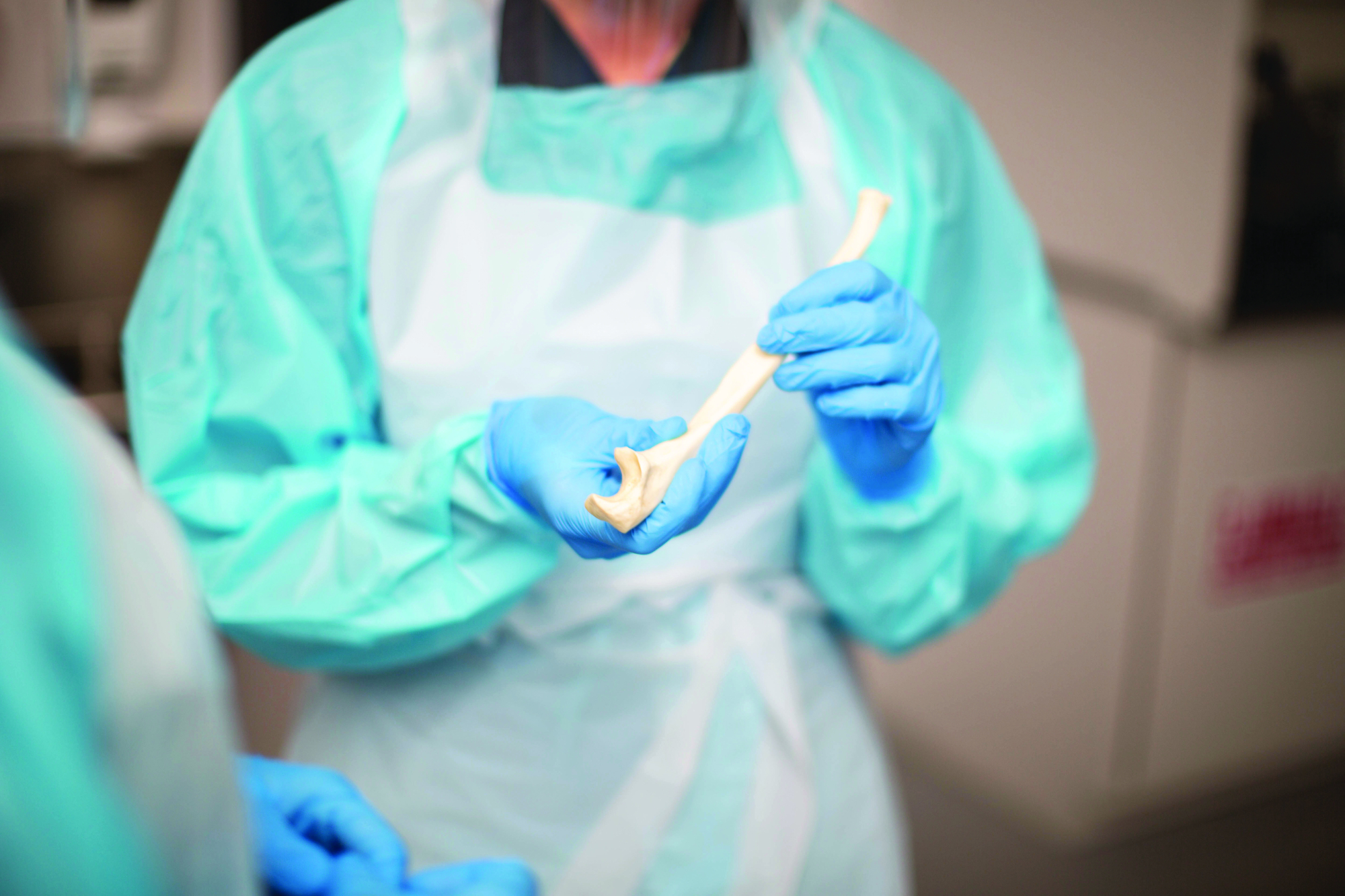
FARL is an indoor forensic laboratory facility where students and staff conduct research and analysis on donated human skeletal remains, which are permanently curated in museum-quality boxes intended for human remains. The lab is located on Wright Street, near the NMU Police Department.
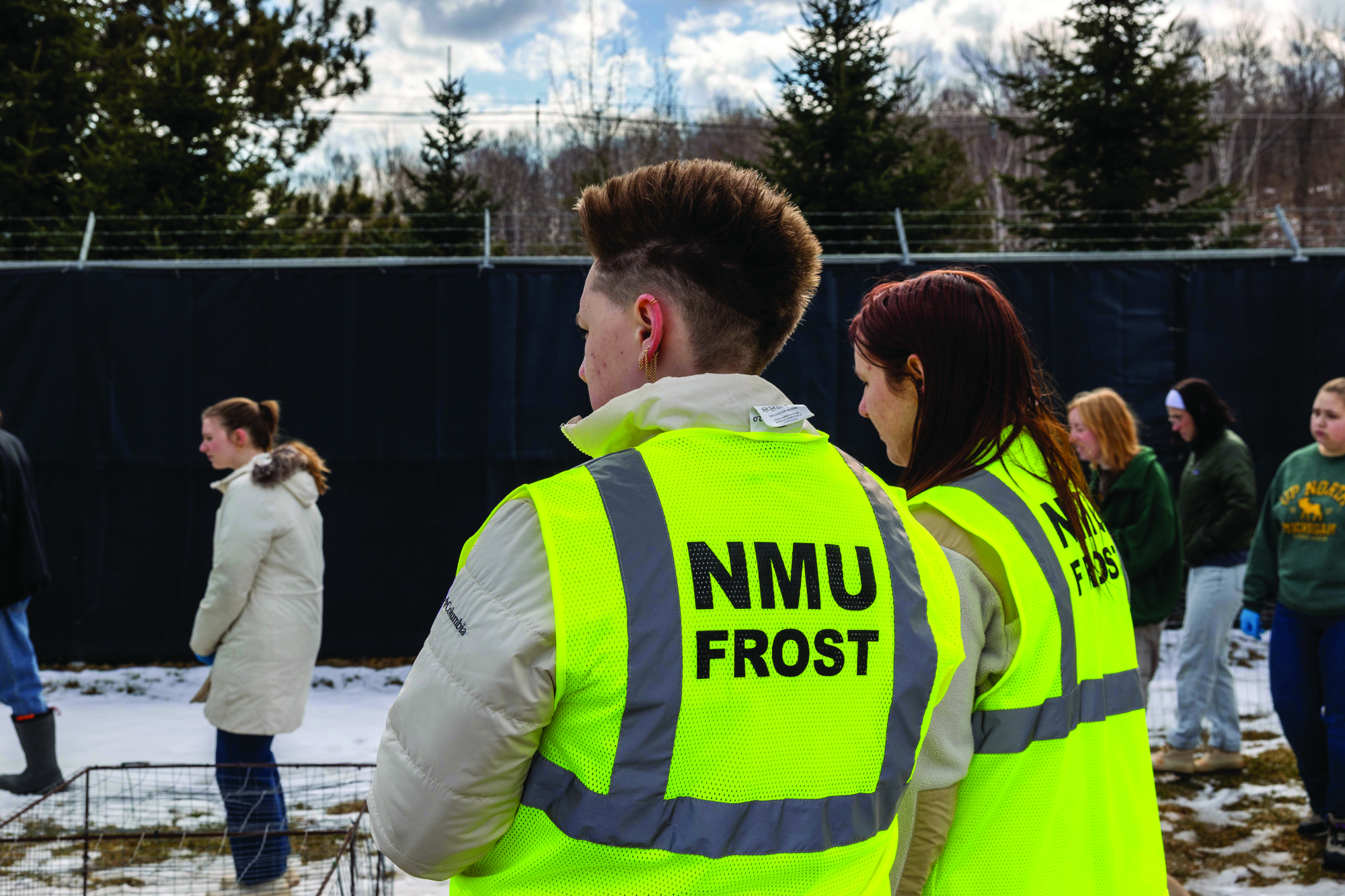
FROST sits on approximately two acres of land, with a fenced area of just over one acre, located off-campus, along U.S. Highway 41 between the Marquette Branch Prison and the Michigan Department of Natural Resources Customer Service office. It is used for academic research and teaching, as well as continuing education for law enforcement, death investigators and related professions. Research, teaching and training at FROST focus mainly on how the forces that act on human remains, such as exposure to weather and the activity of insects, microorganisms and scavengers affect decomposition.
“Our FROST facility is one of thirteen outdoor human decomposition research facilities in North America right now, along with two in Canada, and there are only two other ones in the world,” NMU Center for Forensic Science Director Dr. Jane Harris stated. “So that alone makes us very different from most of the universities in the United States and in the world.”
Research and education at FROST and FARL are made possible by NMU’s Body Donation Program. The program allows locals, alumni and others of all ages, from anywhere, to permanently donate their remains following their death so that they can be used by NMU students to advance their forensic science research opportunities and studies. To date, the program has received about 70 whole-body donations, and has nearly 60 people signed up to be future donors.
“It’s the backbone of our operation,” Harris explained. “We wouldn’t exist without the donor program.
NMU Center for Forensic Science staff is available by phone, 906-227-1144, or e-mail, frost@nmu.edu, to answer any questions about the donation program.
—By Marisa Witte

Earth, Environmental and Geographical Sciences Professor Matt Van Grinsven leads a soils class at the FROST facility.